
Today we will step into the eerie world of “Haunted” by Chuck Palahniuk, a novel that delves into the depths of horror and human psyche.
As we navigate through the twisted plot and explore the chilling setting together, we will encounter a cast of characters facing unimaginable horrors. From spine-tingling events to characters pushed to their limits, we will unravel the dark and suspenseful narrative of this haunting book (see what I did there).
The Plot

“Haunted” by Chuck Palahniuk is a novel that intertwines individual stories into a larger, more disturbing narrative.
Read more: Haunted by Chuck Palahniuk: Unraveling the Horrors WithinThe plot follows a group of writers who answer an ad for a writers’ retreat, hoping to escape their lives and focus on their work. However, the retreat quickly turns into a nightmare.
Trapped in a decrepit theater with minimal food and no escape, the writers are driven by desperation to sabotage their surroundings in a bid for attention and fame. As resources dwindle and tensions rise, the characters begin to narrate their own disturbing tales, which are interspersed throughout the main narrative.
The combination of the overarching plot and individual stories creates a patchwork of horror that probes the darkest corners of the human condition and the lengths to which people will go for recognition.
A Chilling Setting

The setting of “Haunted” is primarily the decrepit theater where the writers find themselves trapped. This once-grand space has become a prison, with its decay and claustrophobic confines contributing to the novel’s oppressive atmosphere.
As the characters’ civilized veneer starts to crumble, the setting mirrors their descent into savagery. Without contact with the outside world, the theater becomes a microcosm for the worst aspects of society.
The isolation is palpable, making the reader feel the desperation and tension that Palahniuk expertly crafts. With each passing day, the theater grows more sinister, a character in its own right, reflecting the dark transformation of the group. The chilling setting is not just a backdrop for the story; it is a catalyst for the characters’ actions, an inescapable force that drives the plot forward to its harrowing conclusion.
The Horrors Faced by Characters

The characters in “Haunted” face a series of escalating horrors that test their limits and reveal their true natures.
These main events are not just physical challenges but psychological battles that unfold both individually and collectively.
The scarcity of resources leads to a brutal struggle for survival, where characters resort to acts of sabotage, deceit, and even mutilation.
As the retreat’s promised tranquility gives way to terror, personal stories of the characters emerge, each more twisted and disturbing than the last. These tales serve as a grim commentary on the human condition, showcasing a range of fears from the mundane to the grotesque.
The characters’ desperation for acknowledgment pushes them into a macabre competition, with each horror faced being a grotesque bid for the limelight, blurring the lines between reality and the stories they concoct.
Character Development: Realistic Reactions to Fear?
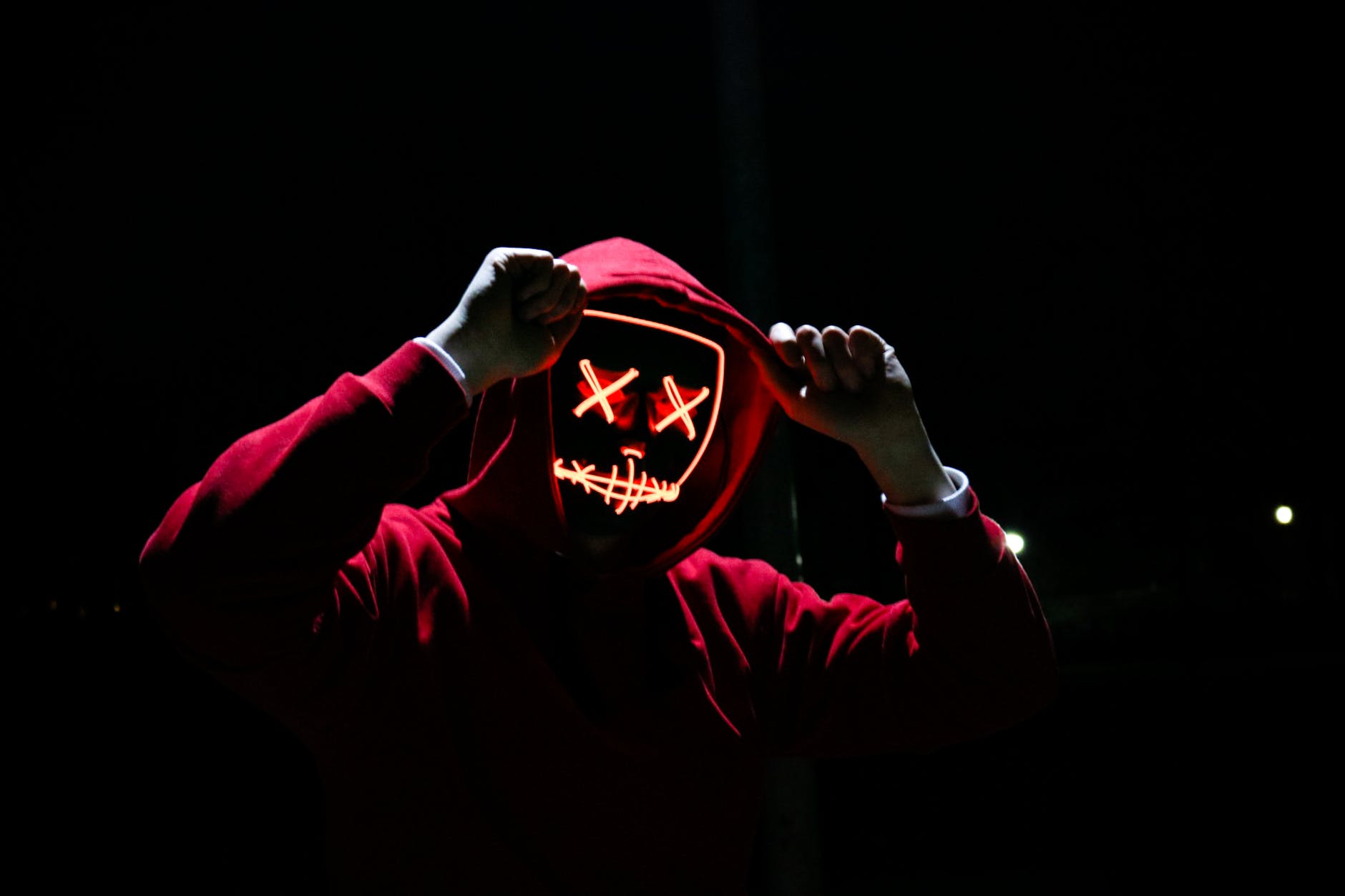
The characters in “Haunted” exhibit a wide range of reactions to the horrific events they encounter, offering a diverse study in human psychology under duress. As the novel progresses, the characters evolve—or devolve—highlighting their complex, often disturbing, natures.
Their responses to fear are raw and varied, from manipulative coldness to desperate acts of violence. Palahniuk pushes the boundaries of believability to explore the extremities of human behavior when faced with isolation and the fight for survival. Some characters’ actions are decidedly over-the-top, yet they serve to underscore the thematic question of what people are capable of when pushed to the brink.
While not always traditionally realistic, the extreme reactions are fitting within the hyperbolic world of “Haunted,” prompting readers to ponder the authenticity of their own moral compass in unimaginable situations.
Analyzing the Plot: Suspenseful or Predictable?

The plot of “Haunted” is crafted to maintain a high level of suspense, in part due to its unconventional structure. The novel’s main storyline is periodically interrupted by individual character tales, which may seem disjointed at first but contribute to the overall sense of unease. Palahniuk masterfully weaves these narratives together, creating a tapestry of terror that keeps readers guessing. While some plot twists can be anticipated due to familiar horror tropes, the novel’s ability to shock and surprise is one of its strengths. Predictability in “Haunted” is often a deliberate ploy, lulling readers into a false sense of knowing what comes next, only to have their expectations subverted. In this way, the suspense is meticulously constructed, with both predictable elements and unforeseen turns that together drive the narrative toward its chilling conclusion.
Tapping Into Common Fears

At its core, “Haunted” taps into universal fears to construct its haunting theme.
The fear of isolation, the dread of the unknown, and the terror of losing one’s humanity are pervasive throughout the novel.
Palahniuk doesn’t just aim for the shock value of the grotesque; he delves into the psychological horror that arises from the characters’ situations and histories. Each character’s story is a reflection of real-world anxieties, magnified to horrific proportions.
The novel explores the dark side of human desire for recognition and the lengths to which individuals will go to achieve it. This central theme resonates with common fears about the self and society, making “Haunted” more than just a collection of horrifying tales—it’s an examination of the human psyche under extreme pressure. The book’s theme acts as a mirror, reflecting the readers’ own fears back at them in a disturbing yet insightful manner.
Making the Stakes Obvious: Connection with Characters

In “Haunted,” the stakes are laid bare from the beginning—survival, sanity, and the desperate need for recognition. These stakes are deeply intertwined with the characters’ ability to evoke empathy or revulsion in readers. While some characters are crafted with enough depth to forge a connection, others serve as cautionary tales or symbols of specific societal ills.
The novel’s atmosphere is suffused with tension, raising the stakes for every decision the characters make. Palahniuk does not shy away from showing the consequences of these choices, forcing readers to confront uncomfortable truths about humanity. However, the connection to the characters varies; they are not always relatable or likable. This can be intentional, as the distance may serve to highlight the thematic elements of the story. The stakes are always clear, but whether we connect with the characters on a personal level depends on our responses to their moral complexities.
Final Thoughts: Is Haunted Worth Your Time?

Deciding whether “Haunted” is worth your time depends on your appetite for the macabre and your interest in deep psychological exploration. This novel is not for the faint of heart—it’s a roller coaster ride through some of the darkest aspects of human nature. Palahniuk’s relentless prose and the book’s grim content can be challenging, but they also offer a unique reading experience.
For fans of horror who appreciate a complex narrative and are willing to endure discomfort for the sake of literature that pushes boundaries, “Haunted” is compelling. It’s a book that stays with you, provoking thought and possibly even self-reflection. If you’re searching for a novel that combines horror with a critique of modern society and the human condition, “Haunted” could be an excellent choice. It’s a deep dive into terror, yes, but also into the craft of storytelling itself.
 Katie Marie Robinson-Sherlock
I’d love to hear what you think, please comment below.