
Today we delve into the spine-chilling world of “Outlast,” the 2013 first-person survival horror videogame that had me on the edge of my seat.
With a plot shrouded in darkness and mystery, taking place in an eerie asylum overrun with unspeakable horrors, the game’s setting sets the stage for heart-pounding encounters. Join me on this journey through fear and adrenaline as we uncover the unforgettable scares that make “Outlast” a must-play for horror fans worldwide.
Unraveling the Plot: The Nightmare Begins

“Outlast” transports players to the desolate corridors of Mount Massive Asylum, a dilapidated psychiatric hospital tucked away in the mountains of Lake County, Colorado.
We play as investigative journalist Miles Upshur, who is lured to the asylum by an anonymous tip hinting at unspeakable scandals. Upon arrival, it becomes clear that the hospital hides far more than just unethical practices—it’s a breeding ground for something much darker.
The plot unfolds rapidly as Miles, armed with only a camcorder and his wits, is trapped inside the facility, encircled by the menacing remnants of its deranged patients.
The foreboding sense of isolation is palpable, with the only guidance coming from scribbled notes and the eerie green glow of night vision. As Miles delves deeper into the asylum’s secrets, the line between reality and madness blurs, kickstarting an odyssey of survival and horror.
A Closer Look at the Inhabitants: Characters in Outlast

The characters of “Outlast” are as diverse as they are disturbing, each adding a layer of depth and fear to the game’s oppressive atmosphere.
The protagonist, Miles Upshur, serves as the player’s eyes and ears, reacting with authentic terror that mirrors our own. Miles is crucial in establishing a connection between the player and the game’s narrative. Miles is not a detached observer; his fear is palpable, his breathing heavy, and his footsteps desperate. These elements humanize him and, by extension, make the terror he experiences more relatable.
He’s not a soldier or a superhero; he’s an everyman, which makes his vulnerability all the more relatable. The decision to make Miles a journalist rather than a fighter emphasizes the game’s focus on flight over fight, further aligning the player with the character’s vulnerability. This connection is deepened through the use of the first-person perspective, which places the player squarely in Miles’ shoes. By grounding the horror in the character’s perspective, “Outlast” ensures that the connection between player and protagonist is both immediate and profound, contributing to the game’s lasting impact on the horror genre.
The supporting cast, comprised of the asylum’s twisted former patients, are alarmingly unpredictable. From the hulking Chris Walker, whose sole purpose is to “contain” the outbreak, to the deceptively frail Richard Trager, each character is meticulously designed to evoke a distinct sense of dread.
These characters aren’t just mindless enemies; they have backstories that hint at the asylum’s dark past, making them integral to the storytelling and heightening the sense of realism as players navigate the chilling narrative.
Characters: Believable or Not?
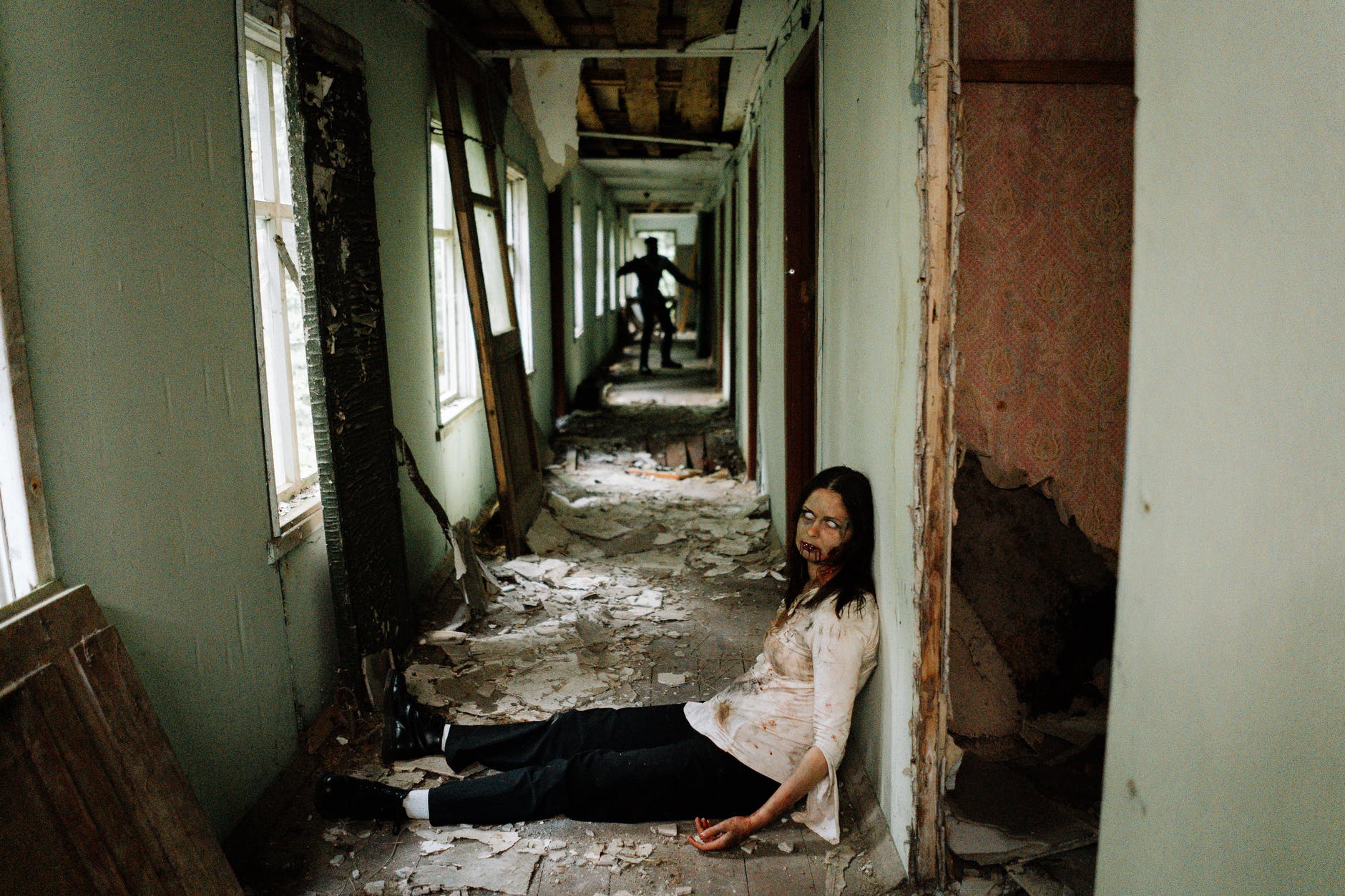
The character development in “Outlast” is a critical component of its storytelling.
As the narrative progresses, the transformation of Miles Upshur from an inquisitive journalist to a desperate survivor is both compelling and believable. His reactions to the horror unfolding around him are convincingly human, adding to the game’s immersive experience.
The asylum’s inhabitants also evolve, though in a more sinister direction. Their backstories unfold through environmental storytelling and documents scattered throughout the game, revealing how the asylum’s corrupt practices have twisted their minds and bodies. This context enriches the gameplay, making the characters’ actions and motives more comprehensible, even when they’re at their most deranged.
While the game’s focus is on delivering scares, these elements of character progression ensure that the fear remains grounded in a narrative that feels authentic and psychologically complex.
Plot Structure: Predictable or Unpredictably Terrifying?

The plot structure of “Outlast” is anything but predictable.
While the game draws on familiar horror tropes, such as the abandoned asylum and the investigative reporter in over his head, it subverts expectations with inventive scares and a sense of unpredictability. Players might enter a room expecting a jump scare, only to find quiet dread and growing tension.
The narrative’s pace is a carefully managed rollercoaster, with quiet moments allowing players to catch their breath before plunging them back into chaos. This ebb and flow are crucial to the game’s ability to maintain suspense over its duration.
Additionally, the game’s use of found footage through Miles’ camcorder adds a layer of authenticity, making the predictable elements of the horror genre feel fresh and uniquely terrifying.
The result is a plot that twists and turns in the darkness, keeping players both engaged and on edge.
Fear Factor: How Outlast Taps into Common Fears

“Outlast” masterfully taps into a deep well of common fears to create its unsettling atmosphere.
The fear of the unknown lurks in the game’s dark corners and unexplored rooms. Players face the primal dread of being chased and the claustrophobia of tight, enclosed spaces.
The asylum setting plays into the fear of insanity and loss of control, as the line between the sane and the insane blurs. The game also touches on societal fears, such as the consequences of unethical scientific experiments and the abuse of power.
By exploiting these universal fears, “Outlast” connects with players on a fundamental level. The game doesn’t just scare; it invites players to confront the darkness within the human psyche. This connection is what transforms the game from a simple scare-fest into a haunting experience that lingers long after the screen goes dark.
The Atmosphere and Stakes

The atmosphere in “Outlast” is crafted to immerse and unsettle the player.
The game combines visual and auditory elements to create tension: flickering lights, echoing footsteps, and the distant screams shatter the asylum’s silence. The use of darkness and the necessity of the camcorder’s night vision add layers of vulnerability, as players must carefully manage their limited resources to navigate the shadows. The stakes are made clear from the outset—survival is the only goal.
The sense of danger is relentless, and the game reinforces the stakes with every encounter with the asylum’s inhabitants. The player is constantly reminded that in Mount Massive Asylum, safety is an illusion, and the next scare is just around the corner. This relentless pressure keeps the atmosphere taut and the stakes high, ensuring that the player is engaged in a battle for survival that feels both immediate and dire.
Final Thoughts

“Outlast” stands as a testament to the power of immersive horror in videogames.
This review finds the game to be a harrowing journey that deftly combines gameplay mechanics with an oppressive atmosphere to deliver a truly terrifying experience. The game’s ability to play on psychological fears as well as deliver physical shocks makes for a multifaceted horror experience.
“Outlast” is not without its flaws; some may find the gameplay occasionally repetitive, and the reliance on jump scares might feel overused to seasoned horror fans.
However, the game’s strong points far outweigh its weaknesses. The storytelling is rich and engaging, the setting is impeccably designed, and the tension is masterfully sustained throughout. For those seeking a game that offers both a gripping narrative and genuine scares, “Outlast” is a standout title that has rightfully earned its place in the pantheon of horror gaming.
 Katie Marie Robinson-Sherlock
I’d love to hear what you think, please comment below.