
Prepare to delve into a world where horror and mystery intertwine in Mansions of Madness, a chilling board game masterpiece crafted by Corey Konieczka under the banner of Fantasy Flight Games in 2011.
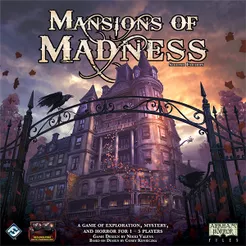
Unveiling the Eerie Charm of Mansions of Madness
Mansions of Madness sets itself apart by steeping every game in a rich narrative tapestry.
The game’s lore pulls you into a Lovecraftian world, where ancient tomes and otherworldly beings are as real as the dread they inspire. Each scenario offers a distinct story, with characters that have their own shadowy pasts and motives.
The atmosphere is thick with tension, and the detailed backgrounds provide a haunting context that transforms a simple tabletop game into an immersive horror experience. It’s not just about winning or losing; it’s about surviving the tale and seeing the story unfold. This narrative depth ensures that every playthrough is a dive into the unknown, with revelations and plot twists that keep the horror fresh and the players on the edge of their seats.
Gameplay: A Symphony of Fear and Suspense

The gameplay of Mansions of Madness is a delicate balance of strategy and unpredictability, which serves to heighten the tension at every turn. Players are investigators exploring the ominous mansion, each with unique abilities that can aid in withstanding the horrors that await.
As you move through the game, the fear of the unknown looms large—puzzles need solving, and the choices you make can lead to salvation or doom. The innovative use of an app integrates seamlessly, directing the flow of the narrative and ensuring no two games are the same. The blend of tactical decision-making and the ever-present element of chance creates a symphony of fear and suspense that resonates with players long after the game is over. The true genius of the gameplay lies in its ability to evoke a genuine sense of dread, as each action could be your last.
An Insight into the Designer’s Mind

Corey Konieczka’s vision for Mansions of Madness was to create a game that is as much about storytelling as it is about gameplay.
His background in designing games that emphasize narrative and thematic depth shines through in every aspect of this creation. Konieczka wanted to craft an experience that stirs a sense of curiosity and dread in equal measure, leading players down a path filled with intricate plotlines and chilling surprises.
The game’s mechanics are engineered to serve the story, ensuring that the fear factor remains front and center throughout the play. Konieczka’s dedication to the horror genre is evident, as he weaves together elements of psychological terror and supernatural occurrences, making players question the very fabric of the game’s reality. His mastery lies in the delicate intertwining of game design and horror, making Mansions of Madness a standout in the world of board games.
The Art of Crafting Horror in Board Games

In the realm of board games, translating the visceral experience of horror into a tabletop format is no small feat. Corey Konieczka excels in this art, understanding that the key to horror is not just in the shock, but in the anticipation of it. Mansions of Madness uses this principle to its advantage, combining visual elements, like the eerie illustrations of the cards and game pieces, with the unseen threats that lurk in the narrative.
The use of sound via the companion app further amplifies this atmosphere, enveloping players in a cocoon of suspense. Konieczka’s designs leverage the players’ imaginations, allowing their minds to fill in the blanks with terrors far worse than what any graphic could convey. It’s this understanding of psychological horror—that the mind’s eye can conjure horrors far greater than any visible monster—that makes Mansions of Madness a truly haunting experience.
Immersive Storytelling: The Game’s Winning Aspect

At the heart of Mansions of Madness lies its immersive storytelling, arguably the game’s most compelling feature. It’s not merely a game; it’s an experience that transports players into a richly detailed, Lovecraftian horror story. Each scenario unfolds like a classic tale of terror, where players become the protagonists of their own harrowing adventure. The game’s ability to entwine narrative and play is unmatched, turning each decision and dice roll into a critical moment that could alter the course of the story.
The app-driven narrative ensures a smooth, dynamic flow that adapts to the players’ choices, making each session a unique story to tell. This focus on storytelling captivates players, drawing them deeper into the game’s world with every play. It’s this blend of interactivity and narrative depth that sets Mansions of Madness apart as a board game triumph.
The Verdict: Is it Worth the Terror?

When it comes to Mansions of Madness, the essential question is whether the game justifies the emotional investment it demands. The answer is a resounding yes for those who relish a blend of strategy and story with their dose of horror. The game’s complexity and depth make it a standout in the genre, and it is well worth the investment for the level of engagement it offers. The replay value is immense, thanks to the variable scenarios and outcomes that keep the game fresh.
For horror enthusiasts and board game aficionados alike, the thrill of the experience outweighs the terror. It’s not just a game; it’s an evening of entertainment that will leave players talking and reminiscing long after the last move is made. Mansions of Madness is a testament to the power of board games to not only bring people together but to immerse them in a world that thrills, challenges, and terrifies.
 Katie Marie Robinson-Sherlock
I’d love to hear what you think, please comment below.