
Delve with me, into the chilling world of Edith Wharton’s “Afterward” promises to unravel a tale of mystery and the supernatural, perfect for horror enthusiasts seeking a spine-tingling experience.
Together we will navigate through the intricate plot, immersive settings, and enigmatic characters, we will dissect the main events and challenges faced.
Unraveling the suspense and unpredictability of the narrative, we will uncover the atmospheric essence of the story, and the stakes that grip readers, ensuring a deep connection with the main character.
Join me on this journey through the haunting realms of “Afterward” as we uncover the eerie themes and gripping elements that make this tale a must-read for fans of the genre.
The Intriguing Plot of “Afterward”

The plot of “Afterward” is a masterful blend of subtlety and suspense.
At its core is the story of a couple, Mary and Edward Boyne, who move to a quaint English country house. They are warned of a ghost that appears to those who have committed an offense, but only becomes recognizable to them ‘afterward.’
As the narrative unfolds, Wharton weaves a tale of past decisions coming to haunt the present.
The mystery deepens when a visitor arrives, setting off a chain of events that leads to Edward’s mysterious disappearance. The story’s structure is carefully crafted, guiding the reader through twists and turns while maintaining a steady build-up of tension. Readers are continually questioning what is to come, making “Afterward” a compelling read that stays with you long after the last page is turned.
Wharton’s Eerie Setting
The setting in “Afterward” is quintessential to its chilling effect.
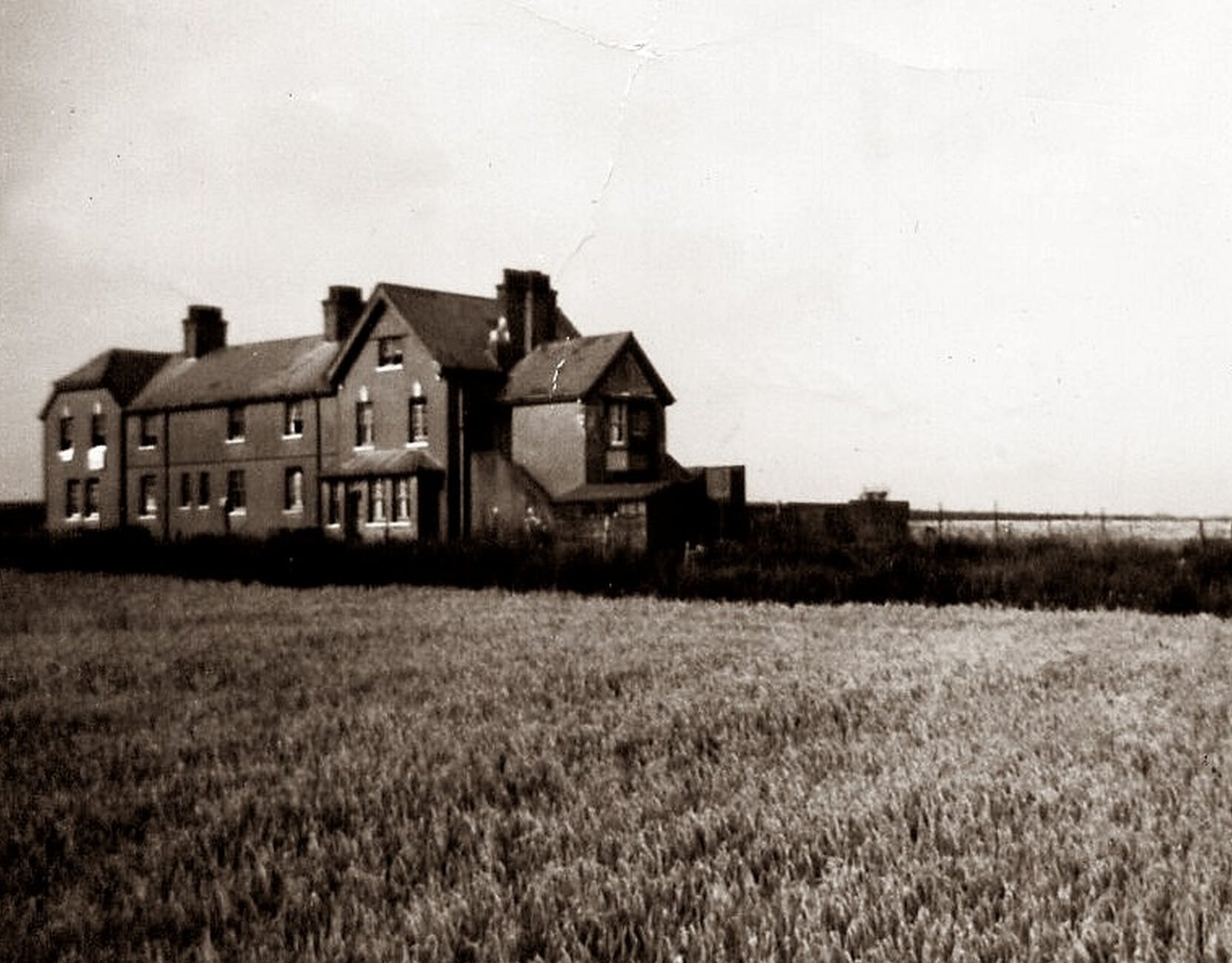
Edith Wharton chose the English countryside as the backdrop for her ghost story, a place steeped in history and mystery. The house, Lyng, becomes a character in itself with its old-world charm and hidden secrets.
Wharton’s descriptions of the landscape, with its rolling hills, foggy moors, and the ancient, looming structure of the house, create an atmosphere that is both beautiful and foreboding. This eerie setting serves as the perfect canvas for the supernatural elements of the tale to unfold. It is within these walls and upon these grounds that the characters experience the unknown, and the reader feels the haunting isolation of the countryside—a sentiment that amplifies the suspense of the narrative.
Characters in “Afterward”

The characters in “Afterward” are crafted with Edith Wharton’s signature depth and complexity.
Mary Boyne, the protagonist, is a figure of empathy and intelligence, whose gradual realization of the truth adds to the story’s psychological depth. Her husband, Edward, is a man whose past business dealings have led to their current state of affluence and the subsequent supernatural occurrences that challenge their reality. Wharton’s skill lies in her ability to make these characters feel incredibly real, their interactions and responses to the unfolding events are authentic and relatable.
The minor characters, including the enigmatic visitor and the locals, contribute to the overall eerie ambiance, each adding layers to the story. The interactions between Mary and these characters drive the plot forward, as her pursuit of truth leads to a haunting discovery about her husband and their life together.
In “Afterward,” the development of characters is subtle yet impactful. Mary Boyne undergoes the most significant transformation. Initially, she is intrigued by the idea of living in a home with a ghostly legend. As events unfold and her husband’s fate becomes entwined with the spectral presence, her curiosity turns to dread. Mary’s journey from a naive spectator to a protagonist tormented by the recognition of her husband’s actions and her own ignorance is what makes the story compelling.
Wharton uses the supernatural as a catalyst for character growth, allowing the ghost’s actions to reflect the consequences of the Bonyes’ past. This method not only deepens the readers’ connection with Mary but also brings to light the intricacies of human nature and the inevitability of facing one’s consequences. The believability of these developments is a testament to Wharton’s skill as a storyteller.
Analyzing the Plot Structure
The structure of the plot in “Afterward” is a testament to Edith Wharton’s narrative expertise. It is constructed in a way that the tension escalates gradually, allowing the suspense to build naturally.
The story unfolds through Mary’s perspective, aligning the readers with her growing sense of unease and the slow dawning of truth. Wharton expertly uses foreshadowing and subtle hints to suggest the supernatural elements that are at play, without revealing too much too soon. This keeps the readers engaged and the outcome uncertain.
The plot’s pacing is deliberate, with each new piece of information contributing to the mounting suspense. Wharton’s choice to reveal the ghost’s identity only in hindsight is a clever device that aligns with the story’s title and central theme. The structure is both satisfying and effective in keeping the reader guessing until the very end.
Themes and Central Ideas
Themes and central ideas in “Afterward” are woven into the narrative with great care.
One of the most prominent themes is the idea of consequence, the notion that one cannot escape the results of their actions, which is personified through the ghost that manifests due to past misdeeds.
This theme is universal, tapping into the common fear of retribution and the unseen consequences that can arise from our choices. Additionally, Wharton explores the limits of perception and knowledge. The characters are unaware of the true nature of their situation until it is too late, which raises questions about the reliability of one’s understanding of reality. The theme of ignorance, particularly willful ignorance, and its perils is subtly critiqued throughout the story. These themes contribute to the story’s haunting atmosphere and leave a lasting impression on the reader, inviting them to ponder the deeper implications of the tale.
How “Afterward” Taps into Common Fears

“Afterward” is particularly effective at tapping into common fears, such as the fear of the unknown and the dread of past mistakes catching up with us.
The spectral figure in the story is not just a ghost but a manifestation of guilt and the inevitability of facing the consequences of one’s actions. This taps into the universal anxiety over the hidden ramifications of our choices. Wharton also explores the fear of loss of control, as the protagonist, Mary, finds herself powerless to prevent or even understand the forces that are slowly unraveling her life.
Additionally, the fear of isolation is present throughout the story, with the remote setting amplifying the character’s sense of helplessness and abandonment. These fears resonate with readers, making the story’s impact linger far beyond the final page. Wharton’s ability to evoke such primal fears is what secures “Afterward” as a notable work in the horror genre.
Atmosphere: The Key to Wharton’s Success

The success of “Afterward” can be significantly attributed to the meticulously crafted atmosphere that pervades the story. Edith Wharton’s use of setting and descriptive language conjures a haunting ambiance that is crucial to the ghost story genre. The English countryside, with its lingering mists and the ancient, silent house, sets a stage that is ripe for supernatural occurrences.
Wharton’s writing evokes a sense of creeping dread that grows with each passing page, making the atmosphere almost palpable. The subtlety with which she describes the landscape and the interior of the house reflects the characters’ internal states, creating a mirroring effect that deepens the reader’s immersion. This attention to atmospheric detail ensures that the suspense and horror are not just momentary but become a lingering presence that encapsulates the entirety of the reader’s experience.
A Conclusion

Reflecting on Edith Wharton’s “Afterward,” it is clear that the story is a finely crafted work that resonates with readers on many levels. The blend of a suspenseful plot, a haunting setting, complex characters, and the exploration of universal themes creates a rich and memorable experience.
The story’s success lies in its ability to engage the reader’s emotions and intellect simultaneously, leaving a lasting impact. Wharton’s nuanced approach to horror and the supernatural invites readers to question not just the nature of the ghostly apparitions, but also the nature of guilt, consequence, and human perception. As the tale concludes, readers are left to ponder the intricacies of the narrative and the subtleties of the fear it evokes.
“Afterward” stands as an exemplary piece of literature that captures the essence of the psychological ghost story, making it a timeless read for horror enthusiasts and literary critics alike.
 Katie Marie Robinson-Sherlock
I’d love to hear what you think, please comment below.