
Get ready to delve into the chilling world of “Firestarter” (2022), a spine-tingling American science fiction horror film directed by Keith Thomas, adapted from Stephen King’s renowned novel and a remake of the 1984 classic.
As the plot unfolds in a mysterious setting, we encounter a cast of characters facing daunting challenges and terrifying events. Does the narrative skillfully develop these characters, making their actions and thoughts believable? Is the plot structured to keep you on the edge of your seat, with ample suspense and unpredictability?
Join me on this journey to explore the themes, fears, and atmospheric elements that make “Firestarter” a potentially hair-raising experience for horror aficionados.
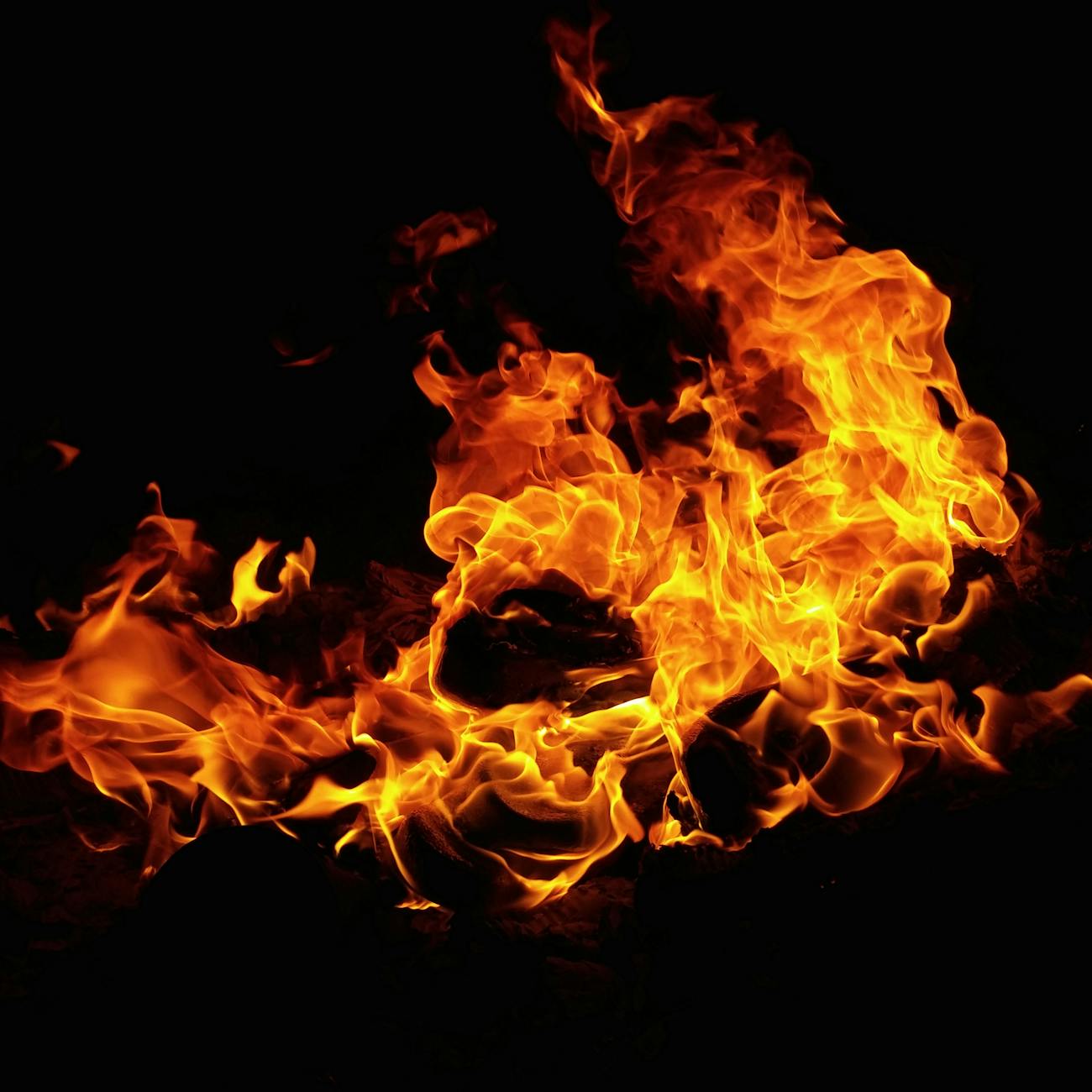
Plot Reignited or Burned Out?
The key to any successful remake is staying true to the original while igniting the plot with new life. “Firestarter” attempts to balance homage with innovation, but does it succeed? The story follows young Charlie, who possesses pyrokinetic powers, and her father, as they are pursued by a shadowy agency. This cat-and-mouse game should be fertile ground for tension, yet the execution feels uneven. While some scenes are charged with excitement, others smolder without ever truly catching fire.
The plot, unfortunately, tends to veer toward the predictable, lacking the twists that leave viewers in suspense. Despite these criticisms, the pacing is brisk, leading to an explosive climax that may satisfy those seeking straightforward thrills. However, for those hoping for a plot that crackles with the unpredictability of a wildfire, this “Firestarter” may not kindle the expected excitement.
Characters: Evolved or Stagnant?
In remakes, characters often receive a fresh interpretation, offering a new perspective on familiar faces. “Firestarter” introduces us once again to Charlie and her father, Andy. The film attempts to deepen these characters with more backstory and emotional complexity. However, despite these efforts, the characters sometimes feel underdeveloped, their motivations and transformations not fully realized.
The father-daughter dynamic, which should be the emotional core of the film, occasionally lacks the depth to fully engage the audience. On the other hand, the antagonists are portrayed with a certain menace that adds tension to the story. Yet, they too suffer from a lack of nuance that could have elevated their roles from merely functional to truly memorable. Overall, the characters in “Firestarter” show glimpses of evolution, but the development is not consistent enough to prevent them from occasionally feeling stagnant.

Atmosphere: Chilling or Lukewarm?
Creating a haunting atmosphere is crucial in horror, and “Firestarter” aims to envelop the audience in a world of dread and danger. The film does deliver some effectively chilling moments, courtesy of its dimly lit scenes and a score that underscores the tension. However, the atmosphere often fluctuates, at times not fully capitalizing on the eerie potential of the scenes.
The use of fire as both a protective and destructive force offers a visual spectacle, but the reliance on CGI can detract from the immersion, leaving some moments feeling less authentic. While there are instances where the setting and mood successfully invoke a sense of unease, they are not consistent enough to maintain a pervasive sense of terror. In the end, the atmosphere of “Firestarter” smolders with potential, yet never quite reaches the inferno that fans of the genre might have hoped for.
 Katie Marie Robinson-Sherlock
I’d love to hear what you think, please comment below.