
In the annals of horror cinema, few films have left as indelible a mark as “Ring” (リング, Ringu), the 1998 Japanese supernatural psychological horror masterpiece directed by Hideo Nakata.
Based on the chilling 1991 novel by Koji Suzuki, “Ring” weaves a tale that delves deep into the darkest recesses of human fear, blending traditional ghost story elements with modern anxieties. Set against the eerie backdrop of urban Japan, the film follows journalist Reiko Asakawa as she unravels the mystery of a cursed videotape that promises a gruesome death to its viewers.
In this review, I will dissect the film’s haunting setting, complex characters, and spine-tingling plot, examining how Nakata masterfully builds suspense and taps into universal fears to create a truly unforgettable horror experience.
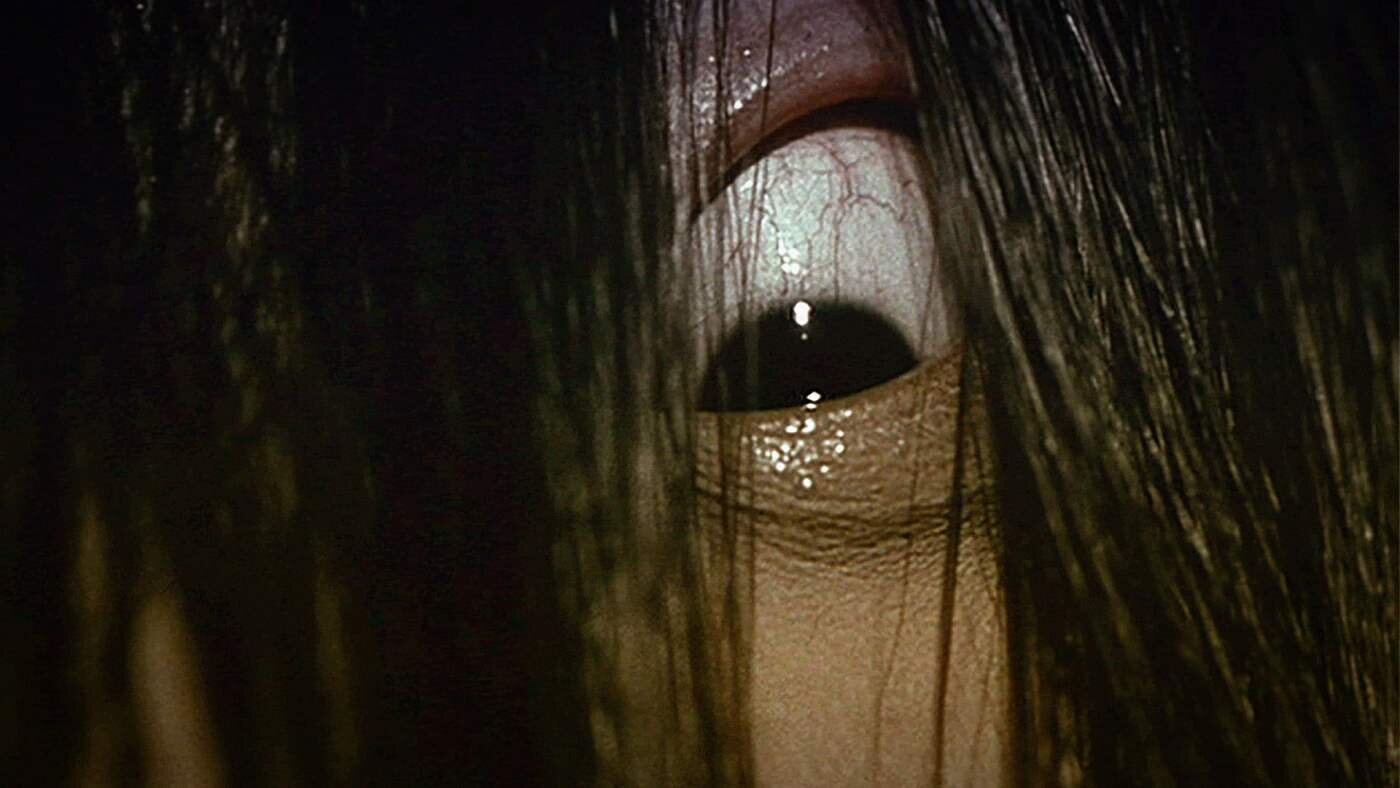
Summarizing the Terrifying Tale
“Ring” (リング, Ringu) centers on journalist Reiko Asakawa, who investigates an urban legend about a cursed videotape that allegedly causes viewers to die seven days after watching it.
The story begins with the mysterious death of her niece, who had watched the tape a week prior. Driven by curiosity and concern, Reiko tracks down the tape and watches it herself, immediately setting off a chain of chilling events. Accompanied by her ex-husband, Ryuji, she races against time to uncover the origin of the curse and find a way to break it.
The narrative takes viewers through eerie locations and introduces them to the vengeful spirit of Sadako Yamamura, whose tragic past is intertwined with the curse. The film masterfully combines elements of traditional Japanese ghost stories with modern fears, creating a suspenseful and unforgettable horror experience.
Key Events and Chilling Moments
The film’s narrative is peppered with several key events and chilling moments that escalate the tension. One of the most iconic scenes occurs right at the beginning, with the shocking death of Reiko’s niece, setting the tone for the horror that follows.
As Reiko watches the cursed videotape, viewers are introduced to a series of disturbing images, including a well and a woman with long, black hair covering her face—Sadako. The investigation leads Reiko and Ryuji to a remote island, where they uncover Sadako’s tragic past and the origin of the curse. Perhaps the most spine-tingling moment comes toward the film’s climax when Sadako emerges from the well and crawls out of a television screen, blurring the lines between reality and the supernatural.
This scene has since become a defining moment in horror cinema, encapsulating the film’s ability to terrify and mesmerize.

Intriguing Protagonists and Antagonists
The characters in “Ring” (リング, Ringu) are richly developed, adding depth to the film’s eerie narrative. Reiko Asakawa, the protagonist, is a determined journalist and a caring mother. Her relentless pursuit of the truth about the cursed videotape showcases her bravery and tenacity.
As she delves deeper into the mystery, we see her vulnerabilities and fears, making her a relatable and compelling character. Reiko’s ex-husband, Ryuji, serves as both a skeptic and a believer, whose psychic abilities add another layer to the investigation. On the other side of the spectrum is Sadako Yamamura, the film’s antagonist.
cSadako’s malevolent presence is felt throughout the film, even when she’s not on screen. Her tragic backstory, marred by betrayal and death, evokes a sense of pity mingled with terror. This complexity makes Sadako one of the most memorable and haunting antagonists in horror cinema.
Character Development and Believability
The character development in “Ring” (リング, Ringu) is subtle yet impactful, contributing significantly to the film’s believability. Reiko’s transformation from a skeptical journalist to a desperate mother fighting against time is portrayed with emotional depth and realism.
Her interactions with her son and ex-husband add layers to her character, making her struggles and fears more tangible. Ryuji, initially presented as distant and cynical, reveals unexpected dimensions as his concern for Reiko and their son grows. His psychic abilities, though supernatural, are grounded in the story’s context, making them more acceptable to the audience. Sadako’s character, despite her limited screen time, is fleshed out through backstory and visual cues, allowing viewers to understand her rage and despair.
The characters’ realistic reactions to the unfolding horror make the narrative more immersive, allowing the audience to connect and empathize with their plight.

Crafting Suspense and Fear
Hideo Nakata’s “Ring” (リング, Ringu) excels in crafting an atmosphere of suspense and fear that grips viewers from start to finish. The film employs a slow-building tension, eschewing cheap jump scares for a more psychological approach.
The use of everyday settings, such as urban apartments and rural landscapes, grounds the supernatural elements in reality, making the horror feel more immediate and personal. Nakata skillfully uses sound and silence to heighten the sense of dread, with eerie background noises and the unsettling stillness amplifying the fear factor. The cursed videotape itself is a masterclass in unsettling imagery, with its cryptic and disturbing scenes leaving a lasting impression.
The film’s pacing allows for suspense to build gradually, keeping viewers on edge as they anticipate the next terrifying revelation. By tapping into universal fears of the unknown and the inevitable, “Ring” creates an atmosphere that is both haunting and unforgettable.
Common Fears and Relatable Stakes
“Ring” (リング, Ringu) taps into common fears and relatable stakes, making its horror deeply personal and effective. The film explores the fear of the unknown, embodied in the cursed videotape whose origins and effects are shrouded in mystery.
This fear is universal, as it speaks to our inherent anxiety about things beyond our understanding or control. Additionally, the narrative delves into the fear of inevitable death, a theme that resonates with all viewers. The seven-day countdown after watching the tape creates a ticking clock scenario, heightening the sense of urgency and dread.
The stakes are intensely personal, focusing on Reiko’s desperate struggle to save herself and her son. This familial element adds emotional weight to the horror, making the audience invest in the characters’ survival. By grounding its supernatural elements in real human fears and relationships, “Ring” delivers a chilling experience that feels both intimate and universally terrifying.
 Katie Marie Robinson-Sherlock
I’d love to hear what you think, please comment below.