
Released in 2015 by Supermassive Games and published by Sony Computer Entertainment, “Until Dawn” is an interactive drama horror game that plunges players into a nerve-wracking narrative filled with suspense and dread. Set against the eerie backdrop of a secluded mountain lodge, the game follows a group of friends who find themselves ensnared in a terrifying ordeal where every decision they make could mean life or death.
With a cast of richly developed characters and a plot teeming with unexpected twists and turns, “Until Dawn” keeps players on the edge of their seats, tapping into primal fears and making the stakes crystal clear.
In this review, I will dissect the plot, setting, character development, and thematic elements that make this game a standout in the horror genre.

A Night to Remember
The game begins with a tragic incident at the mountain lodge, setting the stage for the horror that unfolds. A year after the mysterious disappearance of two sisters, their friends return to commemorate the grim anniversary.
What starts as a night of remembrance quickly spirals into chaos as they realize they are not alone. The group is stalked by a relentless menace, and the lodge’s dark secrets begin to surface.
Players must navigate a series of life-or-death choices, each decision influencing the fate of the characters. The tension is palpable as friendships are tested and true natures are revealed. “Until Dawn” masterfully weaves fear and uncertainty, making every moment and decision weighty and consequential. The narrative’s unpredictability ensures that players remain engaged, always questioning what horror lies around the next corner.
Unraveling Dark Secrets
As the night progresses, the group uncovers the lodge’s haunting history, intertwined with local legends and past horrors.
The narrative deepens with each discovery, revealing clues about the fate of the missing sisters and the true threat stalking them. Suspense builds as players piece together cryptic messages, ancient rituals, and eerie sightings that hint at a supernatural presence.
The game’s layered storytelling keeps players guessing, merging psychological horror with tangible threats. The lodge itself becomes a character, its creaking floors and shadowy corners hiding secrets that are both fascinating and terrifying. Each revelation adds complexity to the plot, driving the story forward and keeping the tension high. The blend of folklore, personal grudges, and hidden truths ensures a multifaceted horror experience that grips the player from start to finish. Unraveling these dark secrets is crucial for survival and understanding the full scope of the terrifying ordeal.

The Butterfly Effect
One of the most compelling aspects of “Until Dawn” is its use of the Butterfly Effect, where even the smallest decisions can have far-reaching consequences.
This mechanic ensures that every choice, no matter how trivial it seems, can alter the course of the story and the fate of the characters. From choosing to investigate a strange noise to deciding whether or not to trust a friend, players must weigh their options carefully. The game’s branching storyline means that multiple playthroughs can result in vastly different outcomes, enhancing replayability. This system not only heightens the sense of agency but also adds layers of suspense as players ponder the potential impact of their actions.
The Butterfly Effect in “Until Dawn” masterfully underscores the unpredictability of the horror genre, making each decision feel significant and each consequence profoundly impactful. This intricate web of choices and outcomes keeps players engaged and invested in the narrative.
Isolated Mountain Lodge
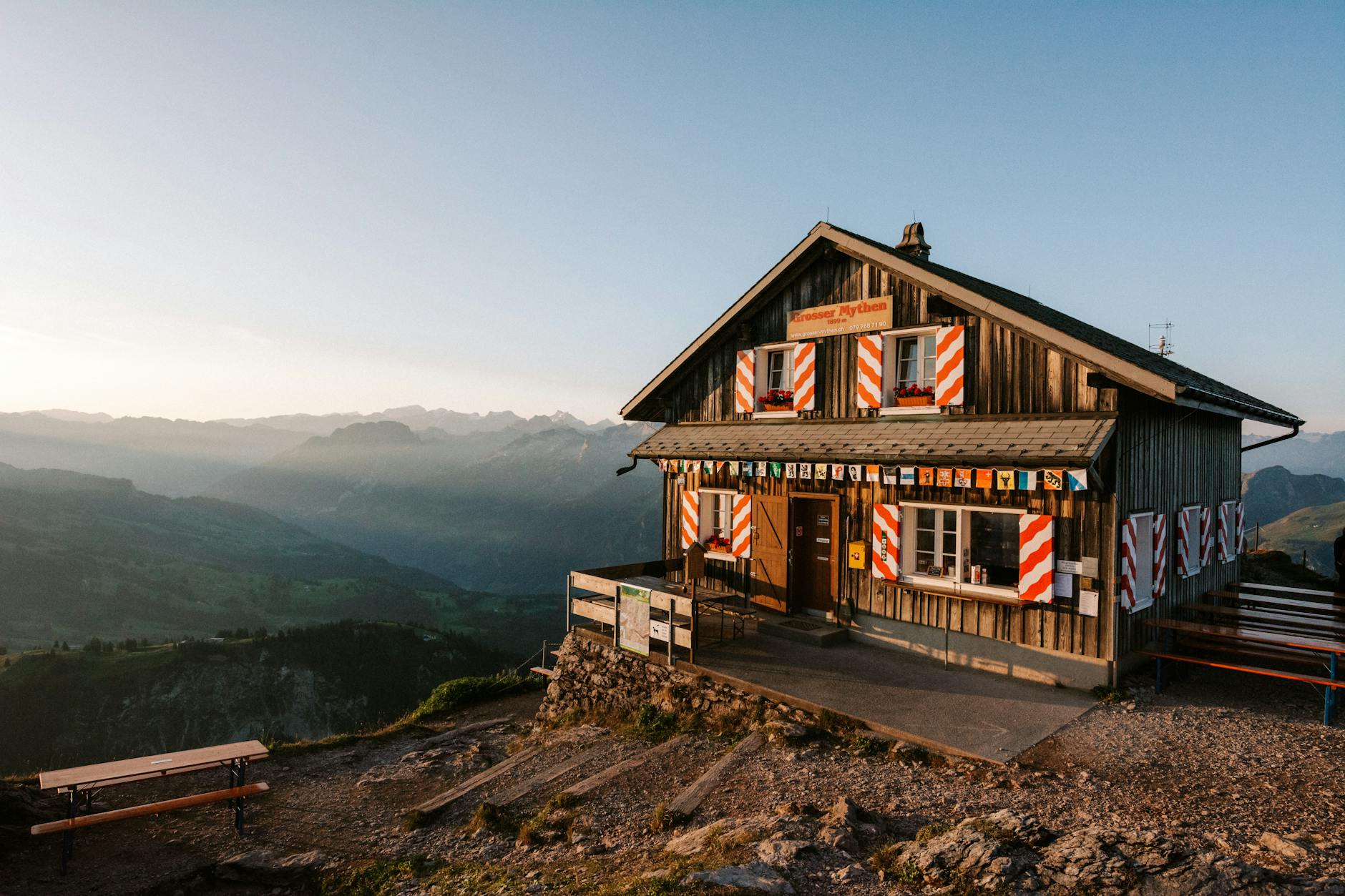
The isolated mountain lodge in “Until Dawn” serves as the perfect setting for a horror story, amplifying the game’s sense of dread and vulnerability. Secluded from the outside world, the lodge is besieged by snow and darkness, cutting off the characters from any hope of immediate rescue.
The remoteness creates an atmosphere of claustrophobia and helplessness, essential elements in horror storytelling. As players explore the lodge and its surroundings, they encounter creaky floorboards, flickering lights, and shadowy corridors that heighten the tension.
The environment is meticulously crafted to unsettle and disorient, with every corner potentially hiding a threat. This setting not only supports the narrative but also becomes an integral part of the horror experience, making players feel as trapped and isolated as the characters. The lodge’s eerie ambiance ensures a constant state of alertness, making every moment spent within its walls fraught with unease and suspense.
Atmospheric Details
“Until Dawn” excels in creating an immersive atmosphere through its meticulous attention to detail.
The game’s visual and auditory design work in tandem to evoke a sense of dread. Flickering lights cast ominous shadows that play tricks on the eyes, while the sound design employs creaks, whispers, and sudden noises to keep players perpetually on edge. The lodge is filled with unsettling details like dusty rooms, abandoned items, and eerie photographs, each adding to the sense of foreboding.
The changing weather, from blizzards to howling winds, further isolates the characters and heightens the tension. Even the natural environment outside the lodge is fraught with danger, featuring dense forests and precipitous cliffs that conceal threats both human and supernatural. These atmospheric elements are not just background details but active contributors to the game’s horror. They create a palpable sense of place that keeps players deeply engrossed and constantly wary of what might come next.
Immersive Environments
The environments in “Until Dawn” are crafted to draw players into its chilling world, making them feel like they are part of the story. From the dimly lit interiors of the mountain lodge to the treacherous paths of the surrounding wilderness, each location is designed with an eye for realism and atmosphere. The game uses high-quality textures and dynamic lighting to create spaces that feel both lived-in and haunted. Players can interact with various objects, uncovering clues that deepen the narrative and enhance the sense of immersion. The use of camera angles and perspective shifts adds to the cinematic experience, making every exploration feel like a scene from a horror movie. These immersive environments are not just passive backdrops but active elements that influence gameplay and evoke emotional responses. By making the setting as engaging as the story, “Until Dawn” ensures that players are fully absorbed in its eerie, suspenseful world.

Protagonists and Antagonists
“Until Dawn” features a diverse cast of characters, each with distinct personalities and backgrounds that contribute to the story’s depth.
The protagonists are a group of friends, each bringing their own strengths, weaknesses, and secrets to the table. Their interactions and relationships evolve as the narrative unfolds, adding layers of complexity and making their reactions to the unfolding horror more believable. Players are given the opportunity to control different characters, experiencing the story from multiple perspectives, which enhances emotional engagement and investment in their fates.
On the flip side, the antagonists in “Until Dawn” are shrouded in mystery, their motivations and identities revealed gradually through the gameplay. This slow unraveling of the villains’ true nature keeps players on edge, heightening the suspense. The game masterfully blurs the lines between human and supernatural antagonists, creating a multifaceted threat that challenges the protagonists in unexpected ways. This dynamic between protagonists and antagonists drives the narrative, making it compelling and terrifying.
Psychological Depth
“Until Dawn” delves into the psychological complexities of its characters, exploring how stress and fear affect their decisions and interactions. Each character’s backstory and personality traits influence their behavior, making them feel like real people rather than generic horror archetypes.
Moments of introspection and emotional vulnerability provide insight into their motivations and fears, adding layers of psychological depth to the narrative. This is further amplified by the game’s decision-making mechanics, where players must navigate moral dilemmas and high-stress situations that reveal the true nature of each character. The psychological tension is palpable as characters grapple with guilt, paranoia, and the instinct for self-preservation.
These elements make the horror personal and intimate, allowing players to connect with the characters on a deeper level. By focusing on the psychological aspects, “Until Dawn” not only scares but also engages players emotionally, creating a richer and more nuanced horror experience.
Realistic Reactions
The characters in “Until Dawn” are crafted to react in ways that feel authentic to their personalities and the dire situations they face. Their responses to fear, danger, and stress are nuanced and believable, often reflecting their background and psychological state.
For instance, a character with a more cautious temperament might hesitate or show signs of anxiety, while a braver character might take charge or react impulsively. This realism extends to the dialogue, which captures the panic, frustration, and desperation that would naturally arise in such terrifying circumstances. The game’s motion-capture technology further enhances this believability, with detailed facial expressions and body language that convey a wide range of emotions.
These realistic reactions make players more invested in the characters’ fates, as they can empathize with their struggles and decisions. By grounding its horror in believable human behavior, “Until Dawn” creates a more immersive and emotionally resonant experience.
 Katie Marie Robinson-Sherlock
I’d love to hear what you think, please comment below.