
Julius Long’s “The Pale Man” is a haunting tale that captures the eerie essence of classic horror, leaving readers with a sense of unease long after the final page.
Set in a peculiar hotel with equally strange inhabitants, the story follows the unsettling experiences of an unnamed narrator who becomes fixated on a mysterious, pale-skinned guest. As the days progress, the narrator’s curiosity spirals into obsession, leading to a series of chilling encounters and revelations.
In this review, I will delve into the intricacies of the plot, the atmospheric setting, and the enigmatic characters that make “The Pale Man” a standout piece in the genre, examining how effectively it taps into our primal fears and sustains suspense throughout.

Unfolding the Enigma
As the story progresses, the narrator’s initial curiosity about the pale man transforms into a deep, unsettling obsession. Each day, he observes the pale man’s peculiar habits and strange movements within the hotel. The guest’s unnaturally white skin and silent demeanor only add to the narrator’s growing unease.
The turning point comes when the narrator notices the pale man changing rooms—always moving closer to his own. This pattern suggests a sinister motive, heightening the suspense. The narrator’s attempts to uncover the pale man’s background lead to disturbing discoveries, deepening the mystery. The tension escalates until the final, chilling revelation.
This careful unraveling of the plot keeps readers on edge, making “The Pale Man” a masterclass in building horror and suspense.
Key Events and Problems
The plot of “The Pale Man” is driven by a series of unsettling events and growing problems for the narrator.
Initially, his curiosity about the pale man is harmless, but it quickly turns into a compulsive need to understand the stranger’s intentions. Key events, such as the pale man’s methodical room changes, create a sense of impending doom. Each move brings the pale man closer to the narrator, intensifying the story’s menacing atmosphere.
The narrator’s attempts to engage with other hotel guests for information only lead to cryptic responses, adding to his frustration and fear. This isolation magnifies his paranoia.
The climax arrives when the narrator confronts the pale man, only to uncover a horrifying truth that ties back to the hotel’s dark history. These events and the narrator’s spiraling obsession highlight the core problems faced, making the narrative compelling and eerie.

Character Development
The character development in “The Pale Man” is subtle yet impactful.
The unnamed narrator starts as a curious observer, but as the story unfolds, his character undergoes a psychological transformation. His initial intrigue gradually morphs into an all-consuming obsession, reflecting a descent into paranoia and fear.
This shift is meticulously portrayed through his thoughts and actions, which become increasingly erratic and desperate. Meanwhile, the pale man remains an enigma, with minimal dialogue and an unchanging demeanor, which only serves to heighten the narrator’s—and the reader’s—sense of dread. The other hotel guests are sparsely sketched, their vague interactions further isolating the narrator. This lack of detailed backstory for the supporting characters focuses the narrative tightly on the narrator’s internal turmoil.
Together, these elements create a believable psychological horror, making the characters’ development integral to the story’s suspense and eerie atmosphere.
Atmosphere and Location
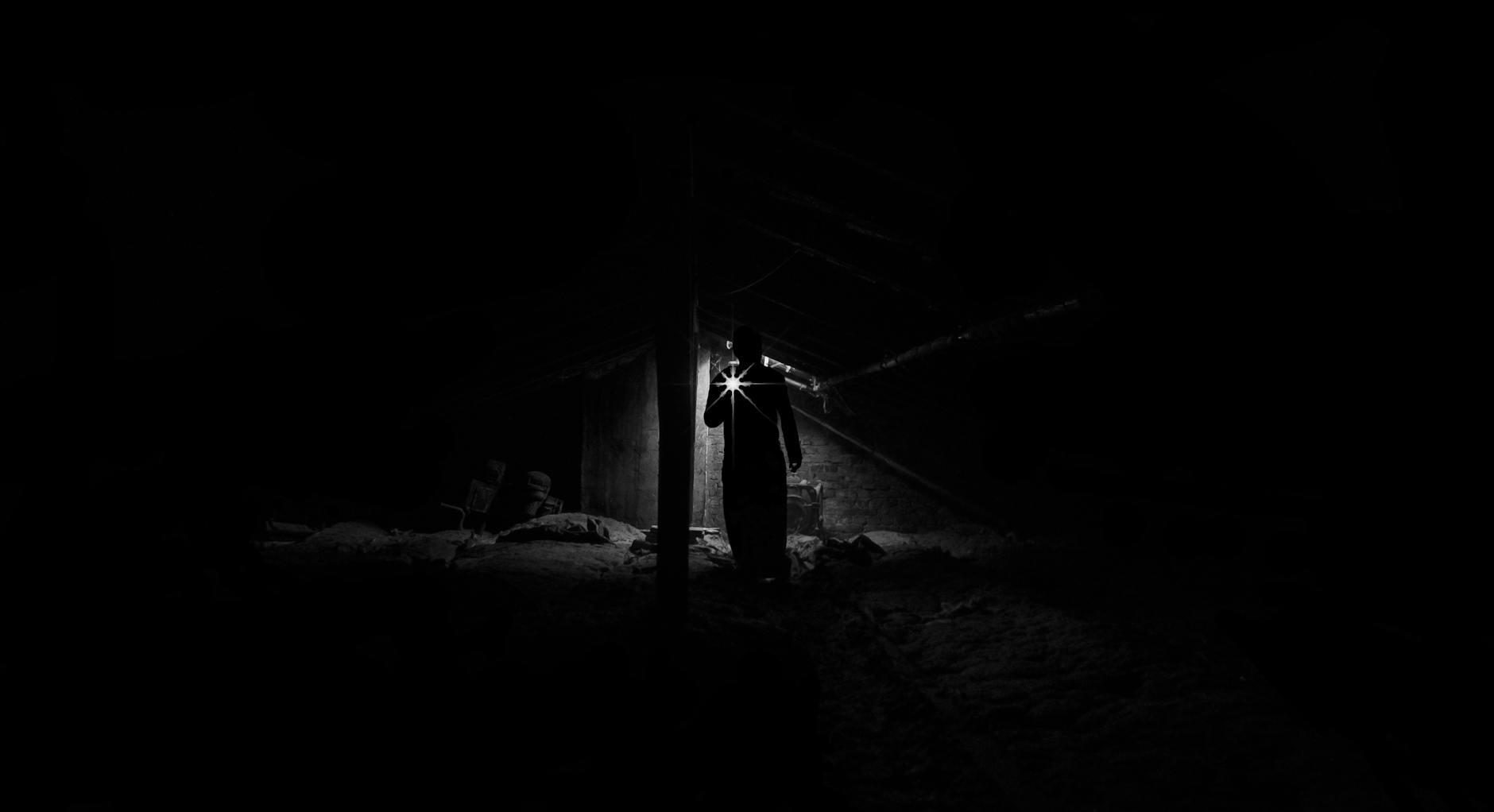
The atmosphere and location play a critical role in amplifying the horror in “The Pale Man.” The story is set in a peculiar, almost claustrophobic hotel that exudes an air of mystery and unease. Its dimly lit corridors and sparsely furnished rooms create a sense of isolation, making it the perfect backdrop for the unfolding psychological drama.
The hotel’s unsettling ambiance is mirrored by its strange inhabitants, who add to the narrator’s sense of alienation and paranoia. The pale man’s silent, almost spectral presence intensifies this atmosphere, making every creak and shadow a potential source of dread. The oppressive surroundings heighten the tension, making readers feel as though they are trapped within the hotel’s eerie confines alongside the narrator. This meticulously crafted setting is essential in sustaining the story’s suspense, drawing readers deeper into its chilling narrative.
Main Characters Analysis
The characters in “The Pale Man” are few but memorable, each contributing to the story’s unsettling atmosphere. The unnamed narrator serves as the lens through which we experience the tale’s escalating tension. His transformation from a curious observer to a paranoid individual obsessed with the pale man is both believable and captivating. His inner monologues reveal a deeply analytical mind slowly unraveling under the weight of his fears.
The pale man himself is a masterclass in minimalistic horror. With his pallid complexion and silent demeanor, he embodies the unknown, a blank slate onto which the narrator—and the reader—can project their deepest fears. The other hotel guests, though not deeply explored, add layers to the story by their mere existence. Their cryptic responses and detached behavior contribute to the overall sense of mystery and isolation. This restrained character development enhances the story’s psychological depth and suspense.
Suspense and Predictability
One of the standout features of “The Pale Man” is its masterful creation of suspense. Julius Long adeptly uses pacing and subtle clues to keep readers on edge. Each day, the pale man’s incremental moves closer to the narrator’s room build a palpable sense of dread. The predictability of these moves paradoxically heightens the suspense, as readers anticipate the inevitable confrontation but are unsure of its nature. Long’s sparse yet evocative descriptions add to the tension, leaving much to the imagination and allowing readers’ own fears to fill the gaps.
While some elements may seem predictable, such as the pale man’s steady approach, the story’s final revelation hits with unexpected force. This balance between predictability and surprise is key to maintaining suspense. Long ensures that while readers may sense what’s coming, they are still left shocked by how it unfolds, making “The Pale Man” a gripping read from start to finish.
Themes and Common Fears
“The Pale Man” taps into some of the most primal and universal fears, making it a compelling horror narrative. One of the central themes is the fear of the unknown. The pale man’s mysterious nature and his inexplicable actions create an aura of uncertainty that gnaws at the narrator—and the reader. This fear is compounded by the story’s setting, a hotel that feels both familiar and alien, amplifying the sense of unease.
Isolation is another significant theme. The narrator’s growing obsession with the pale man leads to a sense of loneliness, as he becomes increasingly disconnected from reality and the other hotel guests. This isolation heightens his paranoia and fear, making his eventual realization all the more horrifying.
The story also explores the fear of death and the supernatural. The pale man’s spectral appearance and the final revelation hint at a world beyond the living, tapping into deep-seated anxieties about mortality and the unknown. These themes, intertwined with the narrative, make “The Pale Man” a haunting exploration of common fears.
 Katie Marie Robinson-Sherlock
I’d love to hear what you think, please comment below.