
Andrzej Żuławski’s ‘Possession’ stands as a seminal work in the horror genre, a film that continually mesmerizes and terrifies audiences since its release in 1981. This psychological horror drama not only delves deep into the complexities of human relationships but also masterfully intertwines elements of supernatural dread and existential angst.
Set against the haunting backdrop of a divided Berlin, the film follows the unraveling marriage of Mark and Anna, whose descent into madness and obsession reveals dark, otherworldly secrets. In this review, we’ll dissect the intricate plot, explore the evocative settings, and analyze the multifaceted characters that make ‘Possession’ a timeless horror classic.
Prepare to uncover why this unsettling masterpiece continues to captivate and disturb viewers decades after its debut.

A Brief Synopsis
‘Possession’ begins with Mark, a spy returning home to Berlin, only to find his wife Anna requesting a divorce. As their marriage disintegrates, Mark suspects Anna of infidelity and begins to uncover her bizarre and unsettling behavior.
The story spirals into a nightmarish odyssey when Mark discovers Anna’s grotesque secret: she is harboring a monstrous entity in a derelict apartment. The film deftly shifts between scenes of intense domestic drama and surreal horror, blurring the lines between reality and madness.
As the supernatural and psychological elements become more entangled, the viewer is drawn into a world where nothing is as it seems. This haunting narrative forces us to confront the darkest corners of human obsession and the terrifying unknown.
Setting the Scene
‘Possession’ is set against the stark and divided backdrop of Cold War-era Berlin, a city that mirrors the fractured and tumultuous relationship between Mark and Anna. The film makes effective use of Berlin’s desolate urban landscape, with its gray, oppressive architecture and isolated streets enhancing the story’s eerie atmosphere.
The divided city symbolizes the characters’ internal conflicts and the barriers between their realities. Key locations, such as the couple’s disheveled apartment and the abandoned building where Anna’s dark secret lies, are meticulously chosen to evoke a sense of dread and desolation. The haunting ambiance is further amplified by the use of muted colors and claustrophobic spaces, drawing the audience deeper into the film’s unsettling world.
This evocative setting not only grounds the supernatural elements but also accentuates the psychological horror at the heart of the narrative.

Main Events and Conflicts
The central conflict in ‘Possession’ is the disintegration of Mark and Anna’s marriage, which quickly escalates into a series of disturbing and violent events. Mark’s initial attempts to reconcile with Anna are met with erratic behavior and cryptic explanations, leading him to suspect an affair. His investigation reveals Anna’s relationship with a grotesque, otherworldly creature, escalating the tension further.
As Mark delves deeper, the violence intensifies, with both characters engaging in physical and psychological battles that blur the lines between sanity and insanity. The film’s climax is marked by shocking revelations and visceral horror, culminating in a chaotic and ambiguous ending that leaves viewers questioning the nature of reality itself.
These intense and dramatic events are not just spectacle; they serve to explore profound themes of identity, obsession, and the unknown, making ‘Possession’ a deeply unsettling and thought-provoking experience.
The Complex Protagonists
Mark and Anna are the heart of ‘Possession’, their complex personalities driving the narrative forward. Mark, portrayed by Sam Neill, starts as a seemingly rational and concerned husband. However, his obsession with uncovering Anna’s secrets reveals his darker, more violent tendencies, exposing a man unraveling under emotional strain.
Isabelle Adjani’s Anna is enigmatic and multifaceted, oscillating between seemingly mundane marital discontent and profound psychological torment. Her erratic behavior and inexplicable actions keep the audience in a constant state of unease and curiosity. Both characters are deeply flawed yet compelling, their descent into madness rendered with raw intensity.
The actors’ powerful performances make their psychological turmoil palpable, ensuring that the characters’ struggles, while extreme, remain believable. This intricate portrayal of human frailty and obsession adds depth to the horror, making ‘Possession’ resonate long after the credits roll.

Psychological Depths
‘Possession’ delves deep into the psychological landscapes of its characters, making it more than just a conventional horror film.
Mark’s journey from suspicion to violent obsession is a powerful study of a man losing grip on reality. His increasing paranoia and desperation reflect a psyche in turmoil, blurring the lines between rationality and madness.
Anna’s psychological state is even more complex, embodying themes of existential dread and inner conflict. Her erratic actions and her relationship with the monstrous entity serve as a manifestation of her inner demons and unspoken fears. These psychological elements are not just character traits; they drive the story and heighten the horror.
The film’s unsettling atmosphere is amplified by these deeply personal struggles, making the terror feel intimate and real. This psychological depth ensures that ‘Possession’ lingers in the mind, provoking thought and analysis long after viewing.
Believability and Realism
Despite its supernatural elements, ‘Possession’ maintains a strong sense of believability through its realistic portrayal of psychological breakdowns and relationship struggles.
The characters’ emotions and reactions, while extreme, are rooted in genuine human experiences of love, betrayal, and obsession. Mark’s gradual descent into paranoia and Anna’s erratic behavior are depicted with such intensity that they feel plausible within the film’s context. The interactions between characters are raw and unfiltered, capturing the chaotic and often destructive nature of unraveling relationships.
This authenticity grounds the more fantastical aspects of the plot, making the horror feel more immediate and impactful.
The film’s commitment to exploring the depths of human emotions and psyche ensures that even its most outlandish moments resonate with a disturbing sense of realism, drawing the audience deeper into its unsettling world.

Central Themes Explored
‘Possession’ explores several central themes that elevate it beyond a typical horror film.
At its core, the movie examines the disintegration of relationships, using Mark and Anna’s marriage as a microcosm for broader existential fears. The theme of duality permeates the narrative, reflected in the divided city of Berlin and the split personalities of the protagonists.
Another significant theme is the manifestation of inner demons and psychological turmoil, embodied by the monstrous entity Anna harbors. This creature symbolizes the darkest parts of the human psyche, making the horror deeply personal.
Themes of obsession, madness, and identity are intricately woven into the plot, challenging viewers to confront uncomfortable truths about human nature. These layered themes not only add depth to the story but also ensure that ‘Possession’ resonates on multiple levels, making it a thought-provoking and enduring classic in the horror genre.
Striking the Right Atmosphere
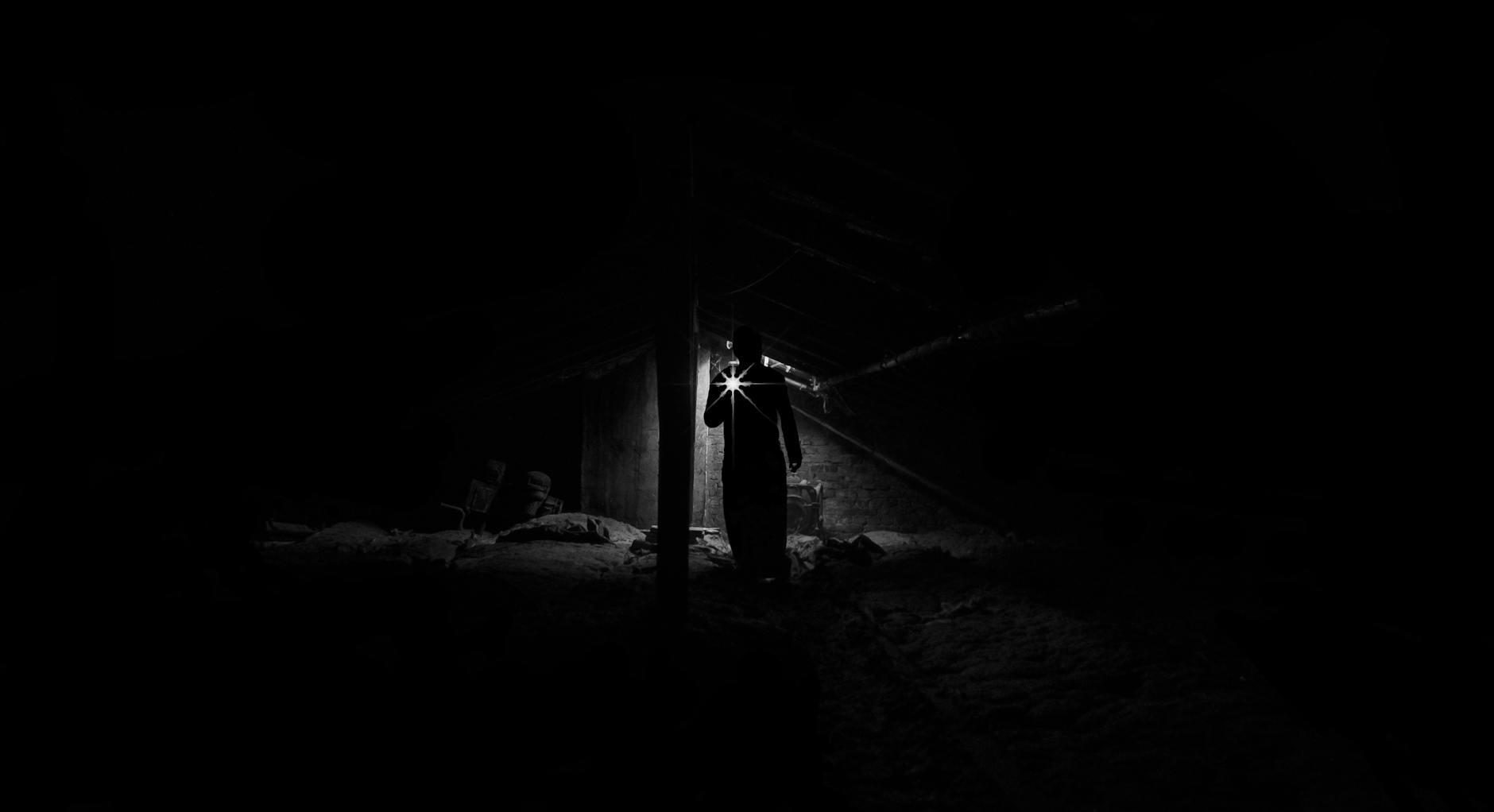
The atmosphere in ‘Possession’ is meticulously crafted to unsettle and captivate the audience. From the bleak, divided landscape of Berlin to the claustrophobic interiors, every setting enhances the film’s haunting mood.
The use of muted colors and dim lighting creates a sense of dread and unease, making the supernatural elements feel even more disturbing. The camera work, often employing disorienting angles and abrupt cuts, mirrors the characters’ psychological instability, drawing viewers into their fractured world. The sound design, with its jarring score and unsettling noises, adds another layer of tension, heightening the sense of impending doom.
This careful attention to detail ensures that the film maintains a consistently eerie and oppressive atmosphere. By immersing the audience in this chilling environment, ‘Possession’ succeeds in making its horror deeply felt and long-lasting, establishing it as a masterclass in atmospheric storytelling.
Connecting with the Audience
‘Possession’ connects with its audience by tapping into universal fears and emotions.
The disintegration of Mark and Anna’s marriage, portrayed with raw intensity, resonates with anyone who has experienced relationship turmoil. Their emotional and psychological struggles are depicted in a way that feels both extreme and deeply familiar, making their descent into madness relatable and horrifying. The film’s exploration of identity, obsession, and the unknown touches on fundamental human anxieties, creating a sense of empathy and dread.
By grounding its supernatural elements in real, palpable experiences, ‘Possession’ ensures that its horror is not just visually striking but emotionally impactful. This connection is further strengthened by the powerful performances of the cast, whose portrayals make the characters’ pain and terror feel real.
This emotional engagement makes ‘Possession’ a deeply affecting film that stays with viewers long after the credits roll.
 Katie Marie Robinson-Sherlock
I’d love to hear what you think, please comment below.