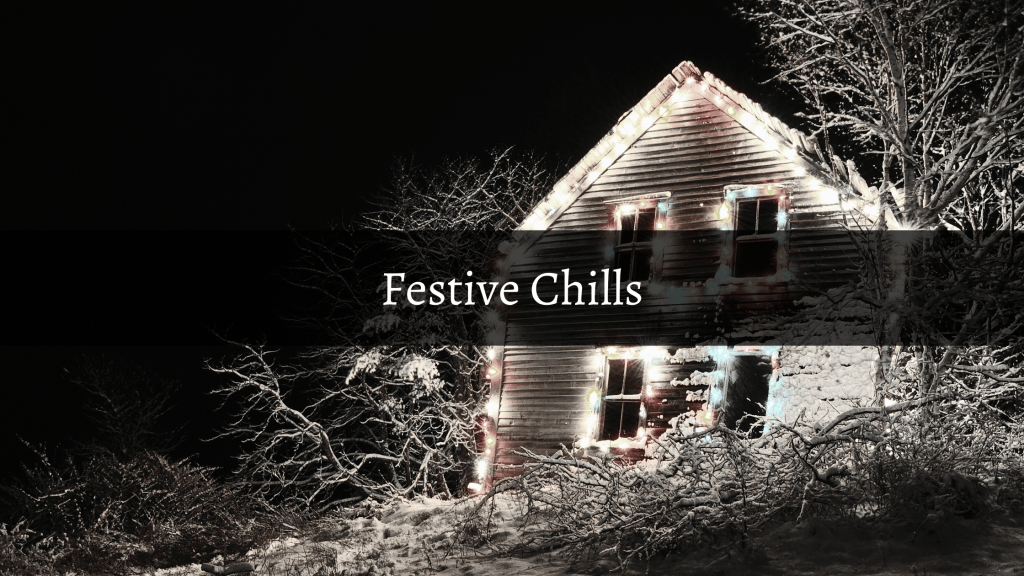
Winter has long been a season shrouded in mystery and wonder, its chilling embrace lending itself to tales of spirits and the supernatural (indeed, winter ghosts are a staple of folklore across cultures). As the world grows quiet and the nights stretch longer, ghost narratives seem to thrive, blending cultural myths with chilling stories that challenge our understanding of the afterlife (Jackson, 2022).
This piece will embark on an analytical exploration of winter ghost narratives, delving into their origins, significance, and the ways they reflect societal fears and desires. By examining these paranormal stories, I aim to uncover the deeper meanings behind the spectral figures that haunt the coldest months, inviting readers to consider how these tales transcend mere entertainment to become a vital part of our cultural psyche.

Origins of Winter Ghost Stories: Historical Context and Influences
Winter ghost stories have deep roots in various cultural traditions, often reflecting the historical and social contexts in which they were told. In Europe, these tales were particularly popular during the Victorian era, a time when spiritualism and the supernatural were subjects of great fascination (Davies, 1999).
The long, dark nights of winter provided the perfect backdrop for such narratives, as families gathered around the hearth, sharing stories that blended folklore and personal experiences. Additionally, the Christian tradition of telling ghost stories during Christmas, a practice immortalized by Charles Dickens’ “A Christmas Carol,” highlights how these tales served both as entertainment and moral lessons. In other cultures, winter ghost stories often coincide with festivals or rituals intended to honor the dead or ward off evil spirits, such as the Japanese Obon festival.
These historical influences underscore the universal appeal and enduring nature of ghost narratives in winter.
Key Cultural Myths and Legends
Winter ghost stories are often steeped in cultural myths and legends, reflecting the unique fears and beliefs of different societies. In Scandinavian folklore, the “draugr” is a revenant that remains active during the harsh winter months, haunting graveyards and protecting buried treasures (Simpson, 1987).
Similarly, in Slavic traditions, the “Rusalka,” a ghostly water nymph, is believed to emerge during the winter to lure unsuspecting victims to their doom. Japanese folklore features the “Yuki-onna,” or Snow Woman, a spirit who appears during snowstorms, captivating travelers with her beauty before leading them to a frozen death.
In Celtic mythology, the festival of Samhain, which marks the beginning of the darker half of the year, is a time when the veil between the living and the dead is believed to be thinnest, allowing spirits to roam freely. These myths and legends underscore how winter ghost stories serve as a narrative bridge between the natural world and the supernatural.

Common Themes in Ghost Narratives: Supernatural Elements and Symbolism
Supernatural elements in ghost narratives often serve as metaphors for deeper emotional and psychological undercurrents. In many stories, ghosts symbolize unresolved issues from the past, embodying guilt, regret, or unfulfilled desires that linger in the world of the living.
The spectral presence often acts as a catalyst for reflection and change, urging characters to confront their own inner demons and fears. Moreover, the supernatural often represents societal anxieties or collective fears, such as the fear of death or the unknown, which are particularly poignant during the winter months when the natural world appears dormant (Freud, 1919). Symbolically, the cold, desolate winter landscape enhances the sense of isolation and desolation associated with ghostly apparitions.
Through these supernatural elements, ghost narratives explore the boundaries between life and death, reality and the afterlife, creating a rich tapestry of meaning that resonates with audiences across cultures and time periods.
Societal Norms and Stereotypes
Ghost narratives frequently reflect and challenge societal norms and stereotypes, providing a unique lens through which cultural values and taboos are explored. Often, these stories unsettle traditional gender roles or social hierarchies by portraying ghosts as figures who defy societal expectations—consider the trope of the “vengeful female ghost,” which subverts the stereotype of women as passive or powerless (Warner, 1998).
Ghosts are also used to critique societal injustices, such as class disparity or racial discrimination, by haunting those who perpetrate or benefit from systemic oppression. Furthermore, the depiction of marginalized figures as ghosts can symbolize their exclusion from mainstream society and their struggle for recognition or justice.
By confronting the living with the unresolved issues of the dead, ghost narratives invite audiences to reflect on their own cultural assumptions and biases, prompting a re-evaluation of how these norms and stereotypes shape human experience and interaction.

Modern Interpretations and Impact: Evolution of Paranormal Stories
Paranormal stories have evolved significantly over time, adapting to the changing cultural and technological landscapes. In the early 20th century, ghost stories were primarily shared through literature and oral traditions, with a focus on moral lessons and the exploration of the unknown. As media evolved, so did the narratives, with radio dramas and films expanding the reach and influence of ghost stories.
The advent of television brought about a new era of visual storytelling, where paranormal themes could be explored with greater depth and immediacy. In contemporary times, the internet and social media have transformed storytelling, giving rise to digital ghost narratives and interactive experiences such as virtual reality horror games. These modern platforms allow for more immersive and personalized encounters with the supernatural.
As a result, paranormal stories continue to captivate audiences, reflecting their enduring fascination with the unknown and the human condition, while also incorporating modern fears and anxieties.
Influence on Contemporary Media
Ghost narratives have had a profound influence on contemporary media, shaping genres and inspiring a wide array of creative works. In cinema, the horror genre frequently draws upon traditional ghost stories, using their themes and motifs to craft films that explore fear and the supernatural, such as “The Sixth Sense” and “The Others.” Television series like “American Horror Story” and “The Haunting of Hill House” reinterpret classic ghost tales for modern audiences, incorporating complex character development and psychological depth.
Additionally, the rise of streaming platforms has allowed for innovative storytelling formats, such as anthology series and interactive content, which further engage viewers. In literature, contemporary authors continue to explore and expand on ghostly themes, addressing modern societal issues and personal struggles. The influence of ghost narratives extends to video games as well, where immersive environments and interactive elements create uniquely terrifying experiences. This ongoing impact underscores the versatility and enduring appeal of ghost stories in modern media.
 Katie Marie Robinson-Sherlock
I’d love to hear what you think, please comment below.