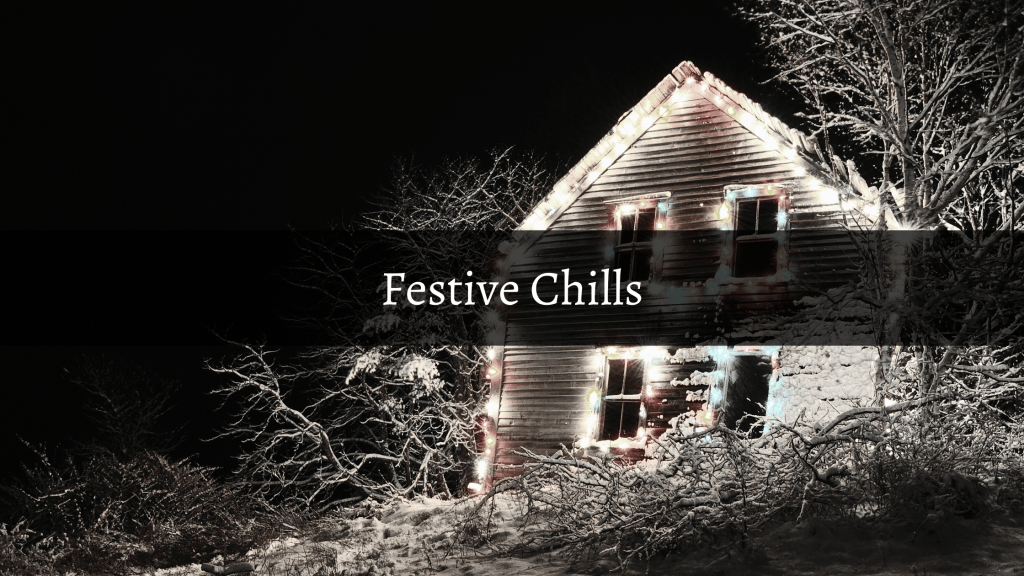
As the crisp autumn air settles in and the nights grow longer, an eerie allure captivates the hearts of many—spooky holidays and the chilling thrill they bring. But what is it about holiday horror that draws us in, weaving tales of terror into the fabric of our cherished holiday traditions?
From ghostly gatherings on Halloween to unsettling legends that haunt Christmas Eve, these seasonal scares have become an integral part of our festive celebrations, creating an intoxicating blend of fear and festivity.
Dive into the shadowy world of horror during holidays, where festive fear takes center stage, and discover why we yearn for the spine-tingling excitement that comes with these eerie tales.
The Appeal of Spooky Holidays: Nostalgia and Holiday Horror
Holiday horror taps into the deep well of nostalgia, stirring memories of childhood fears mingled with festive joy. As adults, these memories pull us back to simpler times when the thrill of a ghost story by the fireside or a haunted house visit was enough to send shivers down our spines. The synthesis of holiday cheer and horror creates a unique emotional cocktail, one that resonates with those who remember the enchantment of eerie tales told under a blanket of snow or amidst falling leaves.
These traditions, passed down through generations, become a part of our cultural fabric, linking us to the past. By revisiting holiday horror, we not only indulge in the adrenaline rush of fear but also reconnect with cherished moments from our youth. This blend of nostalgia and terror makes spooky holidays an enduring and beloved part of our seasonal celebrations.
Psychological Thrills of Festive Fear
The psychological allure of festive fear lies in its ability to safely transport us into realms of heightened emotion. During spooky holidays, we actively seek out scenarios that provoke fear, yet we do so within controlled environments—whether through horror stories, films, or themed attractions.
This controlled exposure allows us to confront our fears, providing the thrill of danger without actual risk. The adrenaline rush that accompanies these experiences is a natural high, releasing tension and stress. Moreover, the juxtaposition of fear and festivity enhances the excitement, making the experience richer and more complex.
Our minds are wired to enjoy the suspense and anticipation, knowing that we can retreat to safety whenever needed. This psychological interplay between fear and comfort is what makes the seasonal scares so appealing, offering a unique blend of exhilaration and relief that is both mentally stimulating and emotionally satisfying.

Evolution of Seasonal Scares: Horror Traditions Through Time
Horror traditions have deep roots, evolving alongside cultural and societal shifts throughout history. In ancient times, festivals like Samhain marked the transition to winter, a season associated with darkness and the supernatural. People believed that the veil between worlds thinned, allowing spirits to roam the earth. With the spread of Christianity, these traditions merged into All Hallows’ Eve, laying the groundwork for modern Halloween.
Over the centuries, these customs expanded to include tales of ghostly apparitions and mythical creatures, often reflecting societal fears of the era. As we moved into the modern age, seasonal scares took on new forms, influenced by literature and cinema. Iconic horror figures such as Dracula and Frankenstein became synonymous with Halloween, weaving their way into the tapestry of holiday horror.
Today, these traditions continue to morph, incorporating contemporary fears and technologies, yet maintaining the core essence of thrilling fear that has captivated humanity for generations.
Modern Takes on Holiday Horror
In today’s landscape, holiday horror has entered a dynamic phase, blending traditional themes with contemporary storytelling and technology. Modern filmmakers and authors often reinterpret classic horror icons, infusing them with current societal anxieties or placing them in unexpected settings.
This creative evolution keeps the genre fresh and relevant, appealing to both seasoned horror fans and newcomers. Technology plays a pivotal role in shaping these narratives, as digital platforms allow for interactive experiences like virtual reality haunted houses or augmented reality ghost hunts. These innovations provide immersive environments where audiences can engage with horror stories in novel ways.
Additionally, contemporary holiday horror often tackles themes such as consumerism and environmental concerns, reflecting modern fears within the festive context. This fusion of old and new allows holiday horror to remain a vibrant and evolving genre, continually challenging our perceptions and keeping the thrill of festive fear alive.

The Intersection of Horror and Holiday Traditions: Storytelling and Cultural Rituals
Storytelling has always been at the heart of cultural rituals, serving as a means to pass down traditions and shared beliefs. During holidays, the act of recounting horror stories becomes a communal ritual, connecting people through shared emotions of fear and excitement.
These narratives often embody societal values, cautionary tales, or historical events, offering insights into the cultures they originate from. For instance, classic ghost stories told around the Christmas hearth in Victorian England reflected societal concerns of that era, while Halloween tales of witches and goblins trace back to ancient Celtic lore.
These stories serve as a bridge between the past and present, allowing each generation to add its own layer of meaning. In modern times, this tradition continues, with families and communities gathering to share both traditional and contemporary horror tales. This cultural practice not only entertains but also reinforces the bonds within communities, ensuring that these eerie narratives persist across generations.
The Role of Community in Seasonal Scares
Community plays a crucial role in the celebration of spooky holidays, transforming individual experiences of fear into collective events. Neighborhoods come alive with haunted houses, trick-or-treating, and communal festivals that foster a sense of unity through shared thrills. These activities allow people to bond over mutual excitement and trepidation, creating memories that last a lifetime. Seasonal scares are often heightened when experienced in a group, as the presence of others amplifies both the anticipation and the release of fear.
This communal aspect is not just about entertainment; it also reinforces social cohesion, as people come together to participate in rituals that are both time-honored and innovatively reimagined each year. By collaborating on decorations, costumes, and horror-themed events, communities create an atmosphere of collective celebration and mutual support. This shared experience of festive fear strengthens community ties and ensures that the tradition of holiday horror continues to thrive.
 Katie Marie Robinson-Sherlock
I’d love to hear what you think, please comment below.