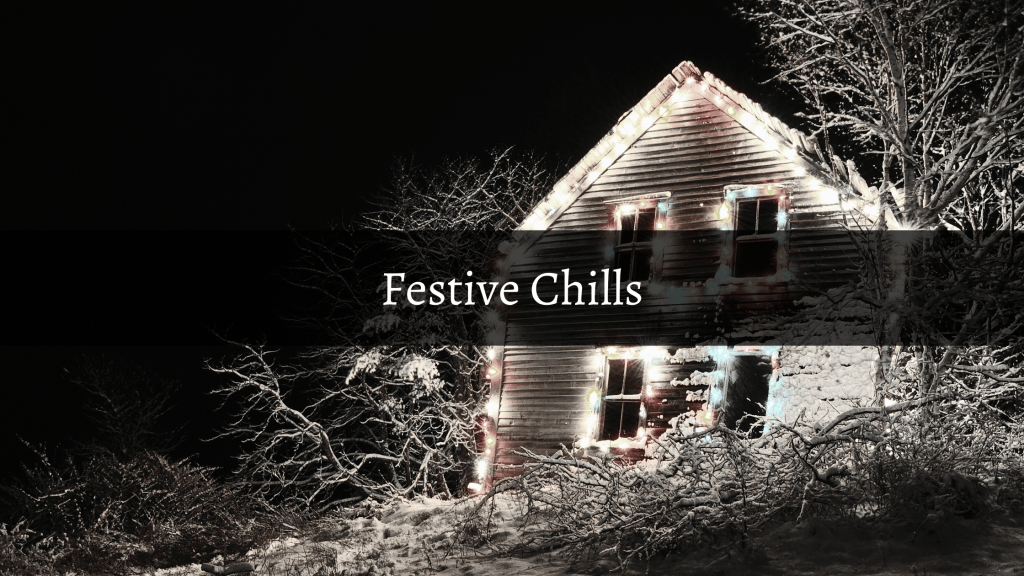
The holiday season, typically associated with festive cheer and joyous gatherings, provides an unexpected yet intriguingly eerie backdrop for horror writers eager to craft spine-tingling Christmas horror.
The juxtaposition of merry festivities and chilling suspense can create a uniquely compelling narrative that captivates readers. Aspiring authors of holiday horror stories can explore the darker undercurrents of the season, weaving in elements of mystery and dread to transform familiar holiday tropes into something thrillingly sinister.
In this guide, I will delve into essential writing tips and horror writing advice, providing you with the tools to balance festive suspense with chilling narratives that linger long after the last page is turned. Join us as we unwrap the secrets to crafting holiday-themed horror that will haunt readers all year long.

Infusing Festive Suspense
To create truly captivating holiday horror stories, infusing festive suspense is key. Begin by leveraging the familiar elements of the holiday season—twinkling lights, catchy carols, and joyful gatherings—as a contrast against the impending dread. This juxtaposition can heighten tension, making seemingly innocuous details ominous.
Consider setting your story during a Christmas gathering where the laughter is punctuated by unexplained noises or mysterious guests. Additionally, the anticipation associated with holiday traditions, such as waiting for Santa, can be twisted into chilling narratives.
Use descriptive and sensory language to paint vivid scenes, allowing readers to feel the warmth of the season while sensing the lurking threat. By merging these elements, you can create a balance of cheer and fear that keeps readers on edge, turning each page with anticipation and curiosity. This blend of holiday cheer and suspense will ensure your story leaves a lasting impression.
Elements of Chilling Narratives
Crafting chilling narratives in holiday horror involves weaving together suspenseful elements that evoke fear and unease. Start by building a strong atmosphere; use settings like snow-covered forests or deserted Christmas markets to evoke isolation and vulnerability. Develop complex characters whose motives and fears are gradually revealed, allowing readers to connect with them while questioning their fates. Plot twists are essential; introduce unexpected turns that challenge the characters’ beliefs and survival instincts.
Employ pacing to build tension, alternating between moments of calm and sudden shock, keeping readers engaged. Additionally, delve into themes such as family secrets or forgotten traditions, which can add layers of intrigue and mystery. Utilize effective foreshadowing to hint at the horror lurking beneath the surface, creating an anticipatory dread that culminates in a gripping climax. By combining these elements, you can craft a story that not only chills but also resonates deeply with your audience.

Developing Spine-Tingling Characters: Creating Relatable Protagonists
Creating relatable protagonists is crucial in holiday horror stories, as it grounds the supernatural elements in a reality that readers can empathize with. Start by giving your protagonist a strong backstory, complete with personal struggles or familial obligations that resonate with the audience.
This context adds depth and makes their fears and reactions more believable. Highlight traits such as resilience or curiosity, which can drive the narrative forward while allowing readers to root for their survival. Additionally, place them in familiar situations—like a family reunion or holiday shopping—that slowly unravel into chaos, making their experiences more accessible. Show how they respond under pressure, revealing vulnerabilities that make them human.
By making your protagonist relatable, you create a conduit for readers to experience the terror firsthand. This connection not only enhances the horror elements but also ensures that the protagonist’s journey leaves a lasting emotional impact on the audience.
Designing Terrifying Antagonists
Designing terrifying antagonists is pivotal to crafting a gripping holiday horror story. Begin by giving the antagonist a compelling motive or backstory that adds depth and complexity. This could involve a curse tied to a past holiday or a vengeful spirit with unresolved grievances.
An antagonist with clear intentions feels more menacing, as their actions are driven by purpose. Consider the antagonist’s physical and psychological traits; they should evoke fear and unsettle the protagonist at a fundamental level. Use detailed descriptions to emphasize their eerie presence and unpredictable nature. Additionally, explore their interactions with the protagonist, which can range from subtle manipulations to overt threats, creating a constant sense of tension. By making the antagonist both formidable and enigmatic, you ensure that their shadow looms large over the narrative.
This not only heightens the suspense but also challenges the protagonist in ways that test their limits and enhance the story’s chilling impact.
Building Tension Through Backstories
Building tension through backstories is a powerful technique in developing spine-tingling characters. A well-crafted backstory adds layers to your characters, making their fears and motivations more compelling.
Introduce elements from their past that subtly surface throughout the narrative, such as a childhood encounter with the supernatural or a family secret linked to holiday traditions. These glimpses into the past can create suspense and foreshadow events that unfold in the present. Use flashbacks or revelations to unveil these histories gradually, ensuring they align with the characters’ current dilemmas.
This approach not only deepens the mystery but also creates anticipation as readers piece together the clues. Additionally, backstories can forge emotional connections with the audience, as they empathize with characters’ struggles and growth. By intertwining past and present, you generate a rich tapestry of tension that enhances the horror elements, keeping readers engaged and eager to uncover the full story.
Mastering Atmosphere and Setting: Transforming Familiar Settings
Transforming familiar settings is essential in creating an immersive holiday horror atmosphere. Start by taking well-known holiday environments—like a cozy living room adorned with decorations or a bustling Christmas market—and infusing them with eerie undertones.
Use descriptive language to subtly alter these scenes, turning warmth into unease. For instance, the flickering lights on a Christmas tree might cast unsettling shadows, or the cheerful carols could be interrupted by distant, haunting sounds. This contrast between the ordinary and the ominous keeps readers on edge, as they navigate the fine line between comfort and fear.
Additionally, play with sensory details to heighten the tension; the scent of pine mingling with something foul or the chill of winter air carrying whispers. By reimagining these familiar settings with a sinister twist, you create a backdrop that amplifies the horror elements, making the narrative more compelling and the suspense more palpable.

Eerie Ambiance in Holiday Horror
Creating an eerie ambiance in holiday horror is crucial for immersing readers in a chilling experience. Start by manipulating the mood through weather and lighting; a sudden snowstorm can trap characters, while dim, flickering lights can obscure lurking threats.
Soundscapes play a role, too—consider how the jingle of bells or the crunch of footsteps in the snow can take on sinister qualities. These atmospheric elements should work in tandem with the setting, turning festive symbols into harbingers of dread. Introduce contrasts, like a silent midnight mass disrupted by ghostly apparitions, to unsettle the reader.
The key is to maintain a balance between the recognizable and the unknown, creating tension from the familiar turned frightful. By carefully crafting an eerie ambiance, you engage your readers’ senses and imaginations, drawing them deeper into the narrative. This not only enhances the horror but also ensures the story resonates, leaving a lingering chill long after reading.
Enhancing Suspense with Sound and Silence
Sound and silence are potent tools for enhancing suspense in holiday horror. Begin by utilizing sound to cue tension; the rhythmic ticking of a clock or the distant howl of wind can create an underlying sense of urgency. Contrast these with jarring noises, like the sudden crash of an object or a whispered voice carried on the breeze, to startle both characters and readers.
Silence, on the other hand, can be just as effective. It creates an anticipatory void, where every minor sound is amplified and every action feels more significant. Use silence to pause the narrative, forcing characters—and readers—to confront their fears without distraction.
The interplay between sound and silence should mirror the narrative’s ebb and flow, maintaining a dynamic tension that keeps the audience on edge. By carefully orchestrating these auditory elements, you craft a story environment where suspense thrives, making the horror elements all the more impactful.
 Katie Marie Robinson-Sherlock
I’d love to hear what you think, please comment below.