
Few stories capture the essence of psychological horror quite like Algernon Blackwood’s “The Wendigo,” a tale that continues to haunt readers over a century after its publication. As a masterful entry in the realm of horror classics, Blackwood weaves an eerie narrative that delves into the legend of the Wendigo, a creature born from the darkest corners of human fear and folklore. With its unsettling atmosphere and profound exploration of the human psyche, this review will journey into the depths of the narrative to uncover why “The Wendigo” endures as a chilling masterpiece.
What is it about Blackwood’s storytelling that leaves an indelible mark on our imaginations? Prepare to be drawn into a world where the boundaries between reality and terror blur, and where the echoes of the Wendigo’s call linger long after the final page is turned.
The Power of Psychological Horror
“The Wendigo” effectively taps into the mind-bending fear that defines psychological horror. Central to this is the exploration of how isolation and the unknown can fracture the human mind. Blackwood masterfully sets his tale in the vast, uncharted wilderness, where the protagonists are dwarfed by their surroundings and haunted by an unseen menace. This environment amplifies the characters’ internal fears and uncertainties, forcing them to confront not only the physical threat of the Wendigo but also their fragile grip on reality.
The story’s tension arises from the relentless blurring of the line between imagination and reality, leaving both characters and readers questioning what is real. This ambiguity is where the psychological horror of “The Wendigo” truly lies, as it forces readers to confront the terrifying notion that the most profound horror may be born from within their own minds.
Atmosphere and Setting
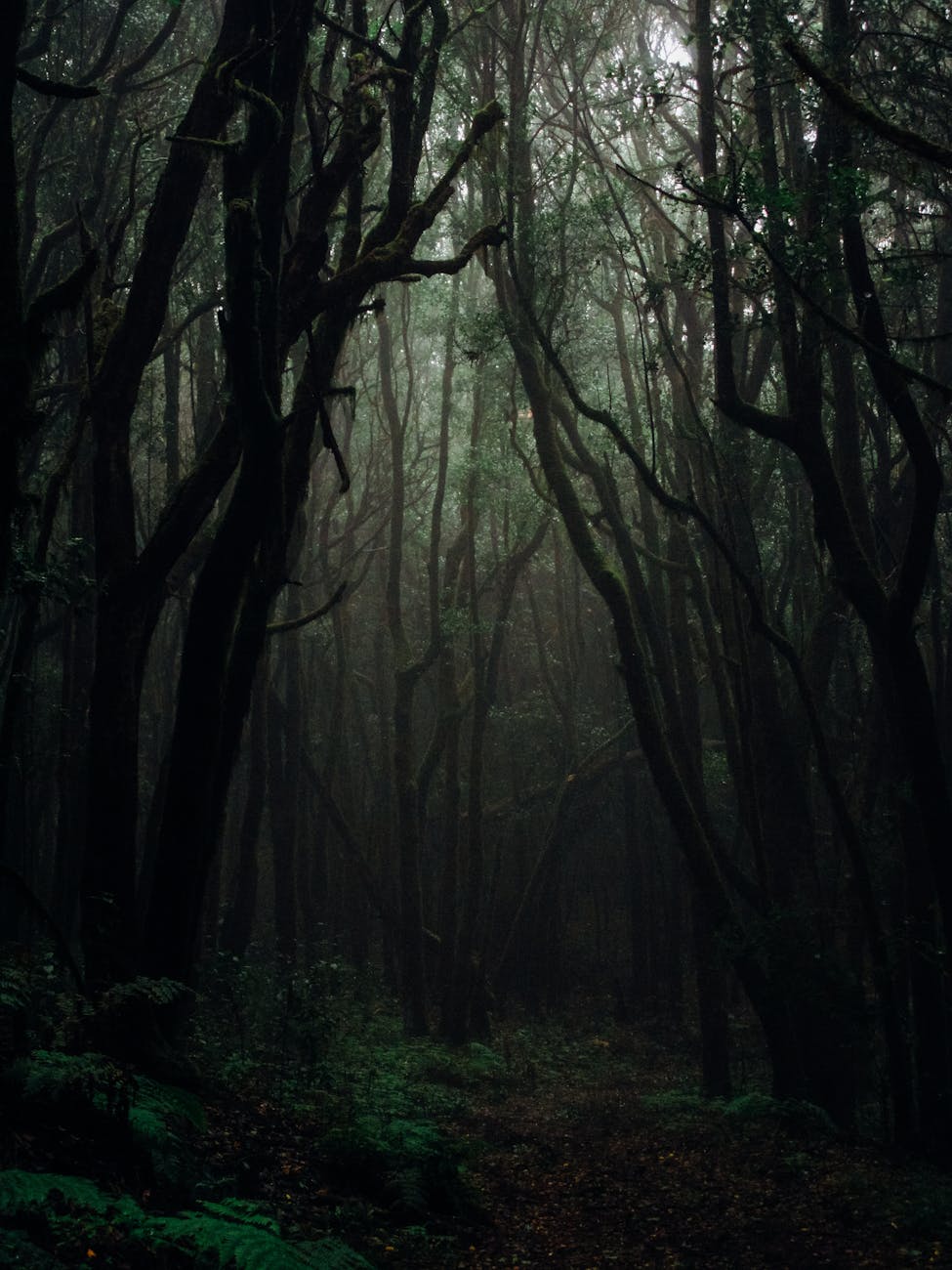
Algernon Blackwood’s “The Wendigo” crafts a chilling atmosphere through its setting in the desolate Canadian wilderness. This remote and unforgiving landscape serves as more than just a backdrop; it becomes a character in itself, amplifying the story’s psychological horror.
The vast forests, with their impenetrable darkness and eerie silence, evoke a sense of isolation that strips the characters of their societal comforts and forces them to face their deepest fears. The oppressive atmosphere is heightened by Blackwood’s vivid descriptions, which immerse the reader in the unsettling stillness and the haunting call of the Wendigo.
This setting not only enhances the story’s tension but also mirrors the internal turmoil of the characters, blurring the line between external danger and psychological distress. The wilderness in “The Wendigo” encapsulates the dread of the unknown, making it an ideal stage for exploring the depths of human paranoia and fear.

Psychological Horror’s Unique Appeal
Psychological horror like Algernon Blackwood’s “The Wendigo” holds a unique appeal by diving deep into the human mind’s capacity for fear. Unlike traditional horror that often relies on external monsters, psychological horror explores the inner workings of its characters, probing their anxieties and delusions. This genre engages readers on a more intimate level, as the terror stems from relatable human experiences and emotions.
It taps into universal fears of the unknown, isolation, and loss of control, making it resonate deeply with audiences. The beauty of psychological horror lies in its ability to leave a lasting impact, as it forces readers to confront the fragility of sanity and the power of imagination. By focusing on the mental and emotional struggles of its characters, it creates a suspenseful narrative that lingers long after the story ends. This introspective approach makes psychological horror an enduring and thought-provoking genre.
Crafting The Wendigo
Algernon Blackwood’s technique in crafting “The Wendigo” showcases his mastery over the elements that define psychological horror. His narrative style combines detailed characterization with a profound understanding of suspense, creating an immersive experience that grips the reader from start to finish. Blackwood intricately weaves the legend of the Wendigo into the story, grounding the supernatural in believable human fears and cultural lore.
By focusing on the psychological unraveling of his characters, he elevates the horror from mere folklore to a study of the human psyche. Blackwood’s use of atmospheric descriptions and gradual tension-building allows the fear to seep into the reader’s consciousness, making the uncanny presence of the Wendigo feel palpably real.
His ability to manipulate the reader’s expectations and emotions through subtle hints and foreshadowing demonstrates his skill in maintaining a sense of dread without resorting to overt shock tactics. This careful crafting is a testament to Blackwood’s enduring influence in the horror genre.
Influence on Horror Classics
Algernon Blackwood’s “The Wendigo” has left an indelible mark on the landscape of horror literature, influencing countless horror classics that followed. Blackwood’s innovative blending of psychological distress with supernatural elements set a precedent for future authors in the genre. His ability to evoke dread through atmosphere and character development rather than relying solely on graphic depictions of horror has been emulated by many.
Notable writers like H.P. Lovecraft and Stephen King have acknowledged Blackwood’s influence on their work, particularly in their exploration of fear’s psychological dimensions. The legend of the Wendigo itself has become a staple in horror folklore, appearing in various forms across literature, film, and popular culture. Blackwood’s nuanced storytelling and his focus on the inner workings of terror have inspired a generation of horror writers to delve deeper into the human psyche, ensuring that “The Wendigo” continues to resonate with audiences and creators alike.
Timeless Folkloric Elements
One of the key aspects of Algernon Blackwood’s mastery in “The Wendigo” is his adept use of timeless folkloric elements. By drawing on the rich, eerie legend of the Wendigo—a creature rooted in Native American mythology—Blackwood taps into primal fears that transcend cultural boundaries. The Wendigo, often depicted as a malevolent spirit of the wilderness, embodies the terror of the unknown and the uncontrollable forces of nature.
This folklore serves as the perfect foundation for psychological horror, as it allows Blackwood to explore themes of madness, transformation, and the loss of humanity. By integrating these ancient myths into his narrative, he creates a story that feels both ancient and immediate, resonating deeply with readers’ inherent fears. The use of folkloric elements not only grounds the supernatural aspects of the tale in a sense of authenticity but also ensures that the horror remains timeless, continuing to haunt readers across generations.
 Katie Marie Robinson-Sherlock
I’d love to hear what you think, please comment below.