
Stephen King’s “The Dark Half” is a chilling exploration of the duality of human nature, weaving a tale that is both unsettling and thought-provoking. As fans of horror literature and Stephen King adaptations know, translating the intricate layers of a novel to the silver screen is no easy feat.
The Dark Half movie adaptation attempts to capture the eerie essence and psychological horror that the book so masterfully conveys. But does the film succeed in encapsulating the spine-tingling suspense and depth that King is renowned for?
In this blog, I will delve into a book vs movie comparison, analyzing whether the adaptation does justice to its literary roots and satisfies the cravings of horror enthusiasts and Stephen King fans alike.
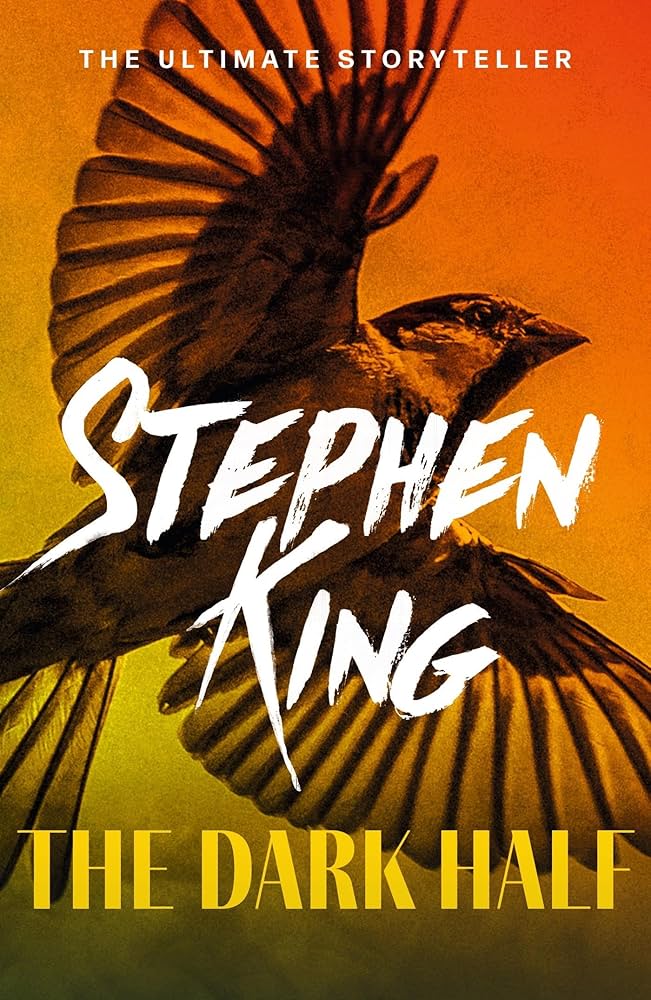

The Essence of Horror Literature
Stephen King’s “The Dark Half” embodies the quintessential elements of horror literature, presenting a narrative that delves into the unsettling exploration of human duality. At its core, the novel examines the thin veneer separating our civilized selves from the darker instincts that lurk beneath. King masterfully crafts a story where the protagonist, Thad Beaumont, battles his sinister alter ego, George Stark. This internal struggle reflects a broader theme in horror literature: the confrontation with the unknown facets of one’s identity.
The book uses psychological terror to unsettle readers, drawing them into a realm where the boundaries between reality and imagination blur. By weaving a tale that is as introspective as it is terrifying, King invites readers to question their perceptions of self, making “The Dark Half” a compelling piece of horror literature. This exploration of identity and fear continues to resonate with fans, securing its place in the genre’s canon.
The Dark Half’s Cinematic Journey
The film adaptation of Stephen King’s “The Dark Half” embarked on a cinematic journey that sought to visually capture the novel’s haunting themes. Directed by George A. Romero, the Dark Half movie adaptation faced the challenge of translating the novel’s complex psychological and supernatural elements to screen.
Romero’s interpretation focused on the visceral horror and duality of Thad Beaumont’s character, bringing to life the internal conflict with his alter ego, George Stark.
The film embraced the eerie atmospherics and suspenseful pacing that are hallmarks of King’s horror literature, using visual storytelling to amplify the terror. However, the adaptation struggled to convey the depth of Thad’s psychological torment as effectively as the novel.
While it succeeded in creating a tense and unsettling atmosphere, some nuances of King’s intricate narrative were lost in translation. Despite these challenges, the film remains a fascinating exploration of the dark themes that King penned, offering a distinct cinematic perspective on the story.
Characters: Page to Screen
In “The Dark Half,” Stephen King crafts complex characters whose psychological intricacies are central to the story’s chilling impact. Thad Beaumont, the protagonist, is portrayed with layers of depth in the book, grappling with his dark alter ego, George Stark. This duality is crucial to understanding the novel’s exploration of identity and chaos.
On screen, Timothy Hutton’s portrayal of Thad captures the character’s external conflict, but some internal struggles felt richer in the novel. The film relies on visual cues and Hutton’s performance to convey Thad’s turmoil, which may not fully translate the character’s psychological depth as vividly as the prose. Meanwhile, George Stark’s menacing presence in the movie is more literal and tangible, starkly contrasting Thad’s internal battles. While the adaptation succeeds in bringing characters to life visually, it occasionally sacrifices the nuanced exploration of their psyches that King so adeptly depicts in his writing.
Storytelling: Visual vs Written Horror
The transition from written to visual storytelling in “The Dark Half” highlights the inherent differences between the two mediums. Stephen King’s novel relies heavily on descriptive prose to evoke a sense of dread, weaving a narrative that immerses readers in psychological horror. The book’s strength lies in its ability to delve deeply into Thad Beaumont’s mind, exploring the intricate layers of his internal conflict with George Stark.
In contrast, the Dark Half movie adaptation utilizes cinematic techniques to evoke horror. Visual effects, sound design, and pacing are employed to create an immediate sense of fear and tension. While these elements effectively bring the story’s horror to life, the film’s limited runtime means some of the novel’s subtler themes and character developments are condensed or omitted. This shift from the introspective nature of reading to the more direct experience of viewing changes how the story’s horror is perceived, offering a distinct experience that complements the original narrative.
Atmosphere and Aesthetic Choices
In “The Dark Half” movie adaptation, atmosphere and aesthetic choices play a crucial role in translating the novel’s horror from page to screen. Director George A. Romero utilizes visual elements to evoke the eerie and unsettling ambiance that is central to Stephen King’s narrative. The film employs shadowy lighting, desolate settings, and a tense soundtrack to capture the novel’s foreboding mood. These choices help to establish a sense of unease that permeates the story, immersing viewers in Thad Beaumont’s tumultuous world. The stark contrast between Thad’s ordinary life and the dark chaos introduced by George Stark is accentuated through these aesthetic details.
While the novel relies on descriptive language to build suspense and depth, the film uses visual storytelling to deliver a more immediate impact. This cinematic approach succeeds in creating a haunting experience, though it may not fully replicate the intricate psychological tension found in King’s writing. Nonetheless, these atmospheric choices effectively convey the novel’s core themes of duality and dread.
The Psychological Horror Element
In Stephen King’s “The Dark Half,” psychological horror is a key element that drives the narrative, offering a chilling exploration of the human psyche. The novel delves into the mind of Thad Beaumont, examining his inner conflict and the terror of confronting one’s dark side. This emphasis on psychological horror is less about external scares and more about the internal fear of losing control to one’s own darker instincts.
The movie adaptation attempts to capture this psychological tension through visual and auditory cues, such as distorted reality sequences and unsettling soundscapes that mirror Thad’s mental turmoil. However, the film’s focus on externalizing horror sometimes overshadows the introspective depth that the novel provides. The medium inherently shifts some of the emphasis from Thad’s internal battles to more tangible threats, which can dilute the psychological nuances.
Despite these challenges, the adaptation manages to evoke a sense of dread that resonates with audiences, maintaining the core element of psychological horror that is central to King’s work.
 Katie Marie Robinson-Sherlock
I’d love to hear what you think, please comment below.