
Within the eerie confines of a sunlit yet sinister room, Charlotte Perkins Gilman’s “The Yellow Wallpaper” unfolds the chilling narrative of a woman’s spiral into madness, mirroring the oppressive medical treatments of the 19th century. This haunting tale invites readers to look beyond the surface, where the wallpaper’s symbolism emerges as a desperate plea for freedom amidst suffocating gender roles.
As we delve into this analysis, we uncover the unsettling interplay between mental illness in literature and the struggle for feminine identity, illustrating how Gilman’s work serves as a timeless critique of societal norms. What secrets reside within the wallpaper’s intricate patterns, and how do they echo the muted cries of women whose voices have long been suppressed? Join us as we peel back the layers of this compelling story, where horror and reality entwine in an unforgettable dance.
Mental Illness in Literature
In “The Yellow Wallpaper,” mental illness is portrayed as both a personal struggle and a reflection of broader societal views. Through the protagonist’s journey, we witness the damaging effects of stigmatized mental health conditions in a world that often misunderstood them. The story stands as a reminder of the importance of empathy and understanding in addressing mental health.
Mental illness in literature often reflects the societal attitudes and perceptions of the time. In the 19th century, characters with mental health issues were frequently depicted as tragic figures, misunderstood and isolated. Literary works served both as a mirror and a critique, revealing the fears and misconceptions surrounding mental illness.
The Yellow Wallpaper is a prime example of how literature can amplify the voices of those suffering in silence. The protagonist’s descent into madness offers a powerful commentary on how societal pressures and misunderstandings can intensify mental health issues. This story challenges readers to question the societal norms that contribute to such isolation.
Through the protagonist’s diary entries, readers gain insight into her mental state. Her writings reveal the depth of her despair and the lack of empathy from those around her. This narrative style draws readers closer to her experience, fostering a deeper understanding of her plight.
As her condition deteriorates, she becomes increasingly obsessed with the wallpaper in her room, which she believes holds the key to her liberation. This fixation symbolizes her struggle against the constraints imposed by society and her own mind.
Oppressive Medical Treatments
The oppressive medical treatments of the 19th century are starkly depicted in Gilman’s narrative. During this era, women with mental health issues often faced harsh and ineffective treatments, reflecting the limited understanding of mental illness.
- Rest Cure: A common treatment prescribed was the “rest cure,” involving isolation and inactivity. Intended to calm the patient, it often led to further deterioration.
- Misunderstanding: Women were frequently diagnosed with “hysteria” or “nervous disorders,” conditions poorly understood and often stigmatized.
- Patriarchal Control: Medical treatments were commonly administered by male doctors, who held significant power over their female patients, further complicating the dynamic.
The protagonist’s experience with the rest cure illustrates the damaging effects of such treatments. Her enforced inactivity and isolation only deepen her mental distress, underscoring the need for compassionate and informed care.
Through this lens, “The Yellow Wallpaper” critiques the medical practices of the time, calling for a more humane approach to mental health care. This critique remains relevant as it echoes ongoing discussions on mental health treatment today.
Symbolism of the Wallpaper
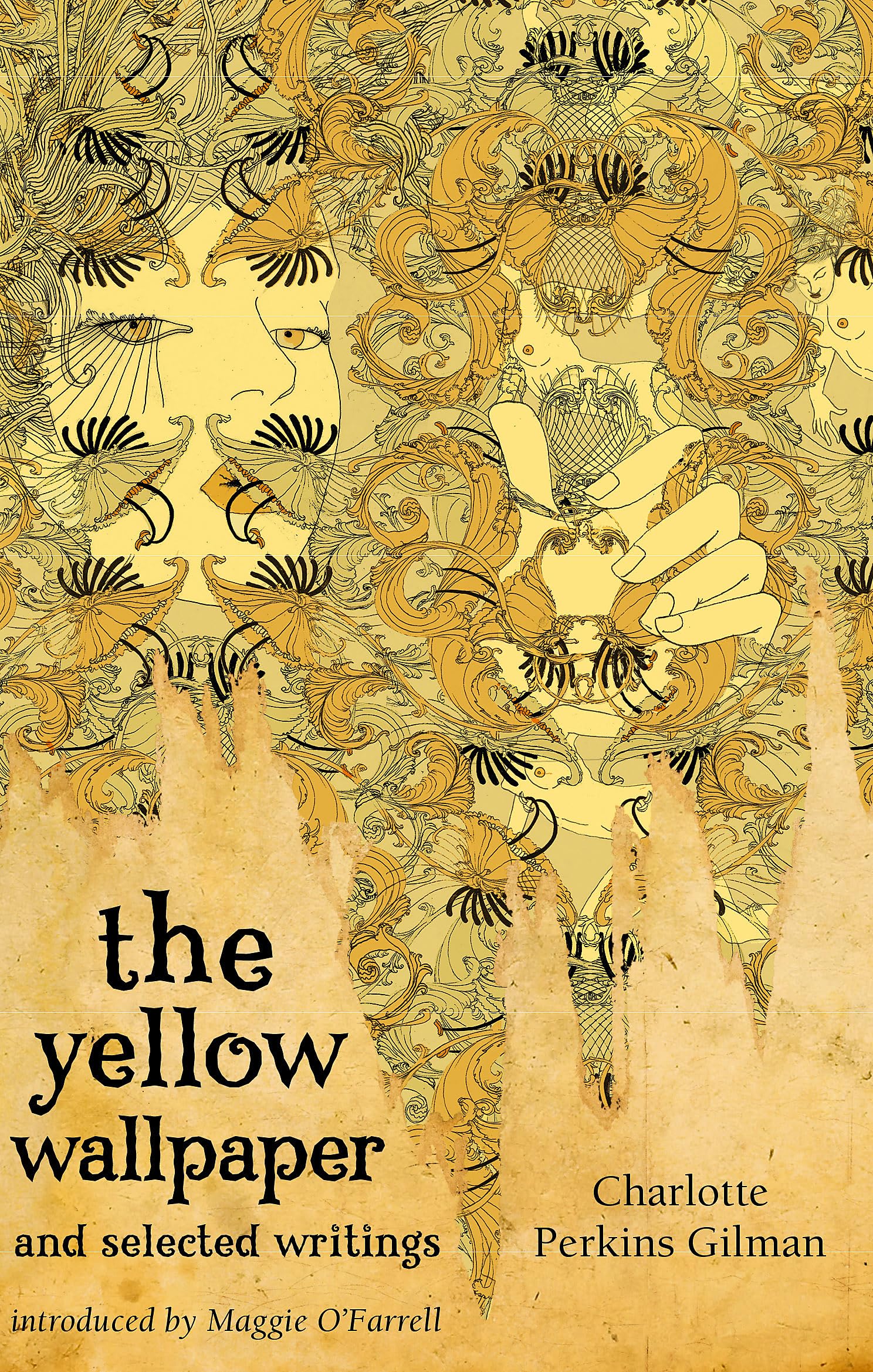
Symbolism and gender intricately weave into the fabric of “The Yellow Wallpaper,” revealing the complex interplay between personal identity and societal expectations. The wallpaper itself becomes a powerful emblem of the protagonist’s struggle.
In Gilman’s narrative, the wallpaper is not merely decorative but a profound symbol of the protagonist’s mental state and societal constraints. Symbolism in literature often serves to convey deeper meanings and underlying themes.
Initially, the wallpaper’s intricate patterns appear chaotic and overwhelming, mirroring the protagonist’s mental turmoil and the confusion she feels as she grapples with her identity.
As the story progresses, the wallpaper transforms into a symbol of entrapment. The protagonist imagines women trapped within its patterns, reflecting her own feelings of confinement within societal roles.
The symbolism of the wallpaper extends to the broader theme of freedom versus constraint. The protagonist’s obsession with peeling away the wallpaper represents her desire to break free from the limitations imposed by society and her mental illness.
In unraveling the wallpaper, she seeks to liberate herself and find a sense of autonomy. This act symbolizes her resistance against the forces that seek to confine her, both mentally and socially.
Gender Roles in 19th Century
In the 19th century, gender roles were rigidly defined, with women often confined to the domestic sphere. This societal structure is vividly portrayed in “The Yellow Wallpaper,” highlighting the limitations placed upon women.
| Aspect | Men | Women |
|---|---|---|
| Roles | Breadwinners, decision-makers | Caregivers, homemakers |
| Expectations | Public, authoritative | Private, submissive |
| Opportunities | Education, employment | Domestic duties, limited rights |
These gender roles are evident in the protagonist’s interactions with her husband, John. His dismissive attitude and control over her treatment underscore the power imbalance within their relationship.
The protagonist’s lack of agency is further emphasized by her confinement to the room with the wallpaper. This symbolizes the broader societal constraints that prevent women from achieving autonomy and self-expression.
Through this lens, Gilman’s work critiques the gender norms of the time, advocating for greater freedom and equality for women. The story remains a poignant reminder of the need to challenge societal structures that limit women’s potential.
Feminine Identity and Autonomy
The struggle for identity is a central theme in “The Yellow Wallpaper,” as the protagonist grapples with defining herself amid societal expectations and personal challenges. This reflects a broader quest for feminine identity and autonomy.
The protagonist’s journey is a poignant exploration of feminine identity and autonomy. Identity in literature often reflects the inner turmoil and external pressures faced by characters, offering insights into their personal growth.
From the outset, the protagonist struggles to assert her identity within the confines of her prescribed role as a wife and mother. Her mental illness is exacerbated by her inability to express herself and pursue her passions.
As she becomes more consumed by the wallpaper, her sense of self begins to unravel, with the patterns symbolizing the complexity of her identity as she attempts to piece together her fragmented sense of self.
This struggle for autonomy mirrors her relationship with her husband, who dismisses her concerns and dictates her treatment. Her resistance to his control becomes a crucial aspect of her journey toward self-discovery.
Ultimately, the protagonist’s descent into madness can be seen as both a loss of identity and a desperate attempt to reclaim it. Her story serves as a powerful reminder of the importance of autonomy and self-expression in the face of societal constraints.
Charlotte Perkins Gilman Analysis
Charlotte Perkins Gilman masterfully weaves together themes of mental illness, gender roles, and identity in “The Yellow Wallpaper.” Author analysis provides valuable insights into the motivations and messages behind a literary work.
Gilman’s personal experiences with mental illness and oppressive treatments informed her writing, lending authenticity to the protagonist’s struggles. Her critique of societal norms reflects her advocacy for women’s rights and mental health reform.
- Intersectionality: Gilman’s work highlights the intersection of gender and mental health, revealing the unique challenges faced by women in the 19th century.
- Narrative Style: The story’s use of first-person narration allows readers to intimately experience the protagonist’s descent into madness, fostering empathy and understanding.
- Legacy: “The Yellow Wallpaper” remains a seminal work in feminist literature, inspiring future generations to challenge societal norms and advocate for mental health awareness.
By examining Gilman’s analysis, we gain a deeper understanding of the enduring relevance of her work. Her critique of oppressive medical treatments and gender roles continues to resonate today, encouraging readers to question and challenge societal structures.
Gilman’s exploration of these themes invites readers to reflect on their own identities and the constraints they may face, urging a pursuit of autonomy and self-expression in all aspects of life.
 Katie Marie Robinson-Sherlock
I’d love to hear what you think, please comment below.