
In the shadowy corridors of speculative fiction, “Womb City” by Tlotlo Tsamaase emerges as a haunting exploration of science fiction motherhood that captivates and provokes in equal measure. This dystopian narrative weaves a complex tapestry of identity and agency, challenging the reader to question the very foundations of gender roles in fiction.
Set in a futuristic society where reproduction becomes both a privilege and a commodity, Tsamaase dares us to delve into the chilling implications of control over our bodies and identities.
Join meas we embark on a literary analysis that peels back the layers of this enigmatic world, revealing how Tsamaase’s deft storytelling not only unsettles but also enlightens.
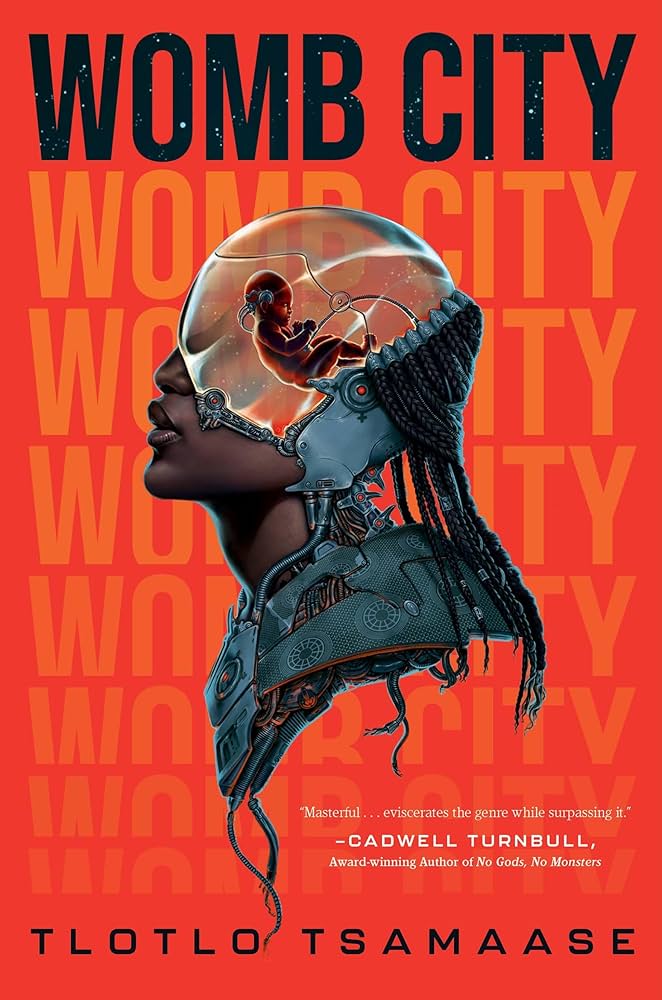
Unveiling “Womb City”
In the shadowy corridors of speculative fiction, “Womb City” by Tlotlo Tsamaase emerges as a haunting exploration of science fiction motherhood that captivates and provokes in equal measure. This dystopian narrative weaves a complex tapestry of identity and agency, challenging the reader to question the very foundations of gender roles in fiction. Set in a futuristic society where reproduction becomes both a privilege and a commodity, Tsamaase dares us to delve into the chilling implications of control over our bodies and identities.
Motherhood is a recurring theme in Tsamaase’s work, where motherhood transcends biological functions to become a societal construct. In “Womb City,” motherhood is an amalgam of power and vulnerability, reshaping the narrative of familial structures. This reimagining questions the traditional roles associated with motherhood. By situating motherhood within a transactional society, Tsamaase invites readers to assess the ethical implications of reproductive technologies.
The narrative unfolds in a society where mothers become both revered and commodified. This duality creates a tension that is palpable throughout the novel, pushing the boundaries of what it means to nurture and protect in a controlled environment.
Gender Roles in Futuristic Societies
In “Womb City,” Tsamaase presents a world where traditional roles are both upheld and subverted. This creates a complex dynamic that challenges the reader’s understanding of gender identity. Traditional gender roles are juxtaposed against an evolving societal framework. The tension between these roles highlights the fragility and resilience of identity in a world that demands conformity. Through her characters, Tsamaase reveals the personal and collective struggles of navigating a society that places immense value on gender conformity. This exploration is not only poignant but also reflective of ongoing societal debates.
Identity and Agency
Tsamaase’s vision of identity and agency in “Womb City” is both intricate and compelling. The narrative delves into how characters assert their agency in a society that seeks to control their identities. Identity in Tsamaase’s world is a fluid concept, shaped by societal norms and personal choices. Characters grapple with the tension between self-definition and external expectations. This struggle for agency is central to the narrative, offering a critical examination of how individuals navigate their sense of self within oppressive systems. Through this lens, Tsamaase provides a thought-provoking commentary on autonomy and control.
Characters in “Womb City”
The characters in “Womb City” are rich and multifaceted, each embodying different aspects of Tsamaase’s dystopian vision. They serve as conduits for exploring societal issues, making their development crucial to the narrative.
The protagonist’s journey is a central thread, showcasing the evolution from compliance to resistance. Each character adds depth, representing different societal roles and perspectives. Interactions among characters reveal underlying tensions and alliances, enhancing the complexity of the story.
Through these characters, Tsamaase crafts a world that feels both familiar and disconcertingly alien.
World-Building and Societal Norms
Tsamaase’s world-building is meticulous, creating a society that feels both plausible and unsettling. The societal norms depicted in “Womb City” serve as a reflection of contemporary issues. The hierarchy within “Womb City” mirrors real-world power dynamics, offering a critique of social stratification. Tsamaase’s portrayal of societal norms challenges the reader to question accepted practices. The *juxtaposition of technology and tradition* creates a world that is simultaneously advanced and regressive.
Themes of Control and Freedom
Themes of control and freedom are central to “Womb City,” driving the narrative forward. Tsamaase explores the delicate balance between autonomy and oppression. The society’s reliance on technology as a means of control is a recurring motif, highlighting the perils of technological dependence. Through these themes, Tsamaase addresses the broader implications of surveillance and autonomy in our own world, prompting readers to reflect on their own experiences of freedom and control.
Literary Analysis and Symbolism
Symbolism in “Womb City” adds depth to Tsamaase’s narrative, offering insights into character motivations and societal critiques. Tsamaase uses imagery to evoke a sense of unease, reinforcing the dystopian setting. Characters often embody broader societal issues, serving as symbols of resistance or compliance. This use of symbolism enriches the narrative, allowing for a nuanced exploration of complex themes.
The Interplay of Personal and Collective Experiences
The interplay between personal and collective experiences in “Womb City” is a key aspect of the narrative, reflecting broader societal struggles. Characters’ personal journeys are intertwined with collective experiences, highlighting the interconnectedness of individual and societal narratives. Tsamaase’s exploration of this interplay offers a poignant commentary on the impact of societal norms on personal identity, emphasizing the power of collective action in effecting change.
Reflections on Modern Societal Implications
Tsamaase’s “Womb City” offers a reflection on modern societal implications, drawing parallels between her dystopian world and contemporary issues. The novel’s exploration of surveillance resonates with ongoing debates about privacy in the digital age. Tsamaase’s examination of gender roles invites reflection on the progress and challenges in achieving gender equality.
Through these reflections, “Womb City” serves as both a cautionary tale and a call to action, urging readers to consider the implications of current societal trends.
 Katie Marie Robinson-Sherlock
I’d love to hear what you think, please comment below.