
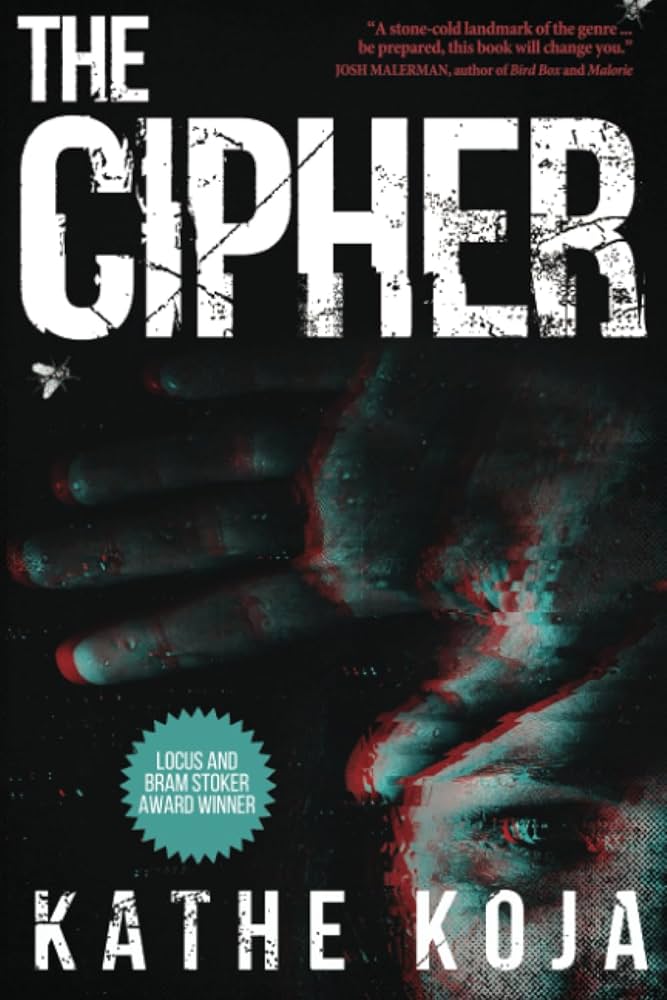
In the realm of psychological thrillers, “The Cipher” by Kathe Koja emerges as a groundbreaking narrative that redefines the genre’s boundaries. Set in a gritty urban landscape, the novel entangles readers in its web of fear and curiosity, inviting them to explore the depths of human psychology. At its core, “The Cipher” delves into the dark and mysterious world of its protagonists, whose encounters with a strange phenomenon known as the “Funhole” unravel their innermost fears and desires.
This review will dissect the novel’s intricate plot structure, character development, and thematic resonance, offering an engaging perspective for horror enthusiasts and literary critics alike. Join me as we unravel how “The Cipher” has cemented its place in horror literature, blending suspense with an exploration of the human psyche.
Overview of The Cipher
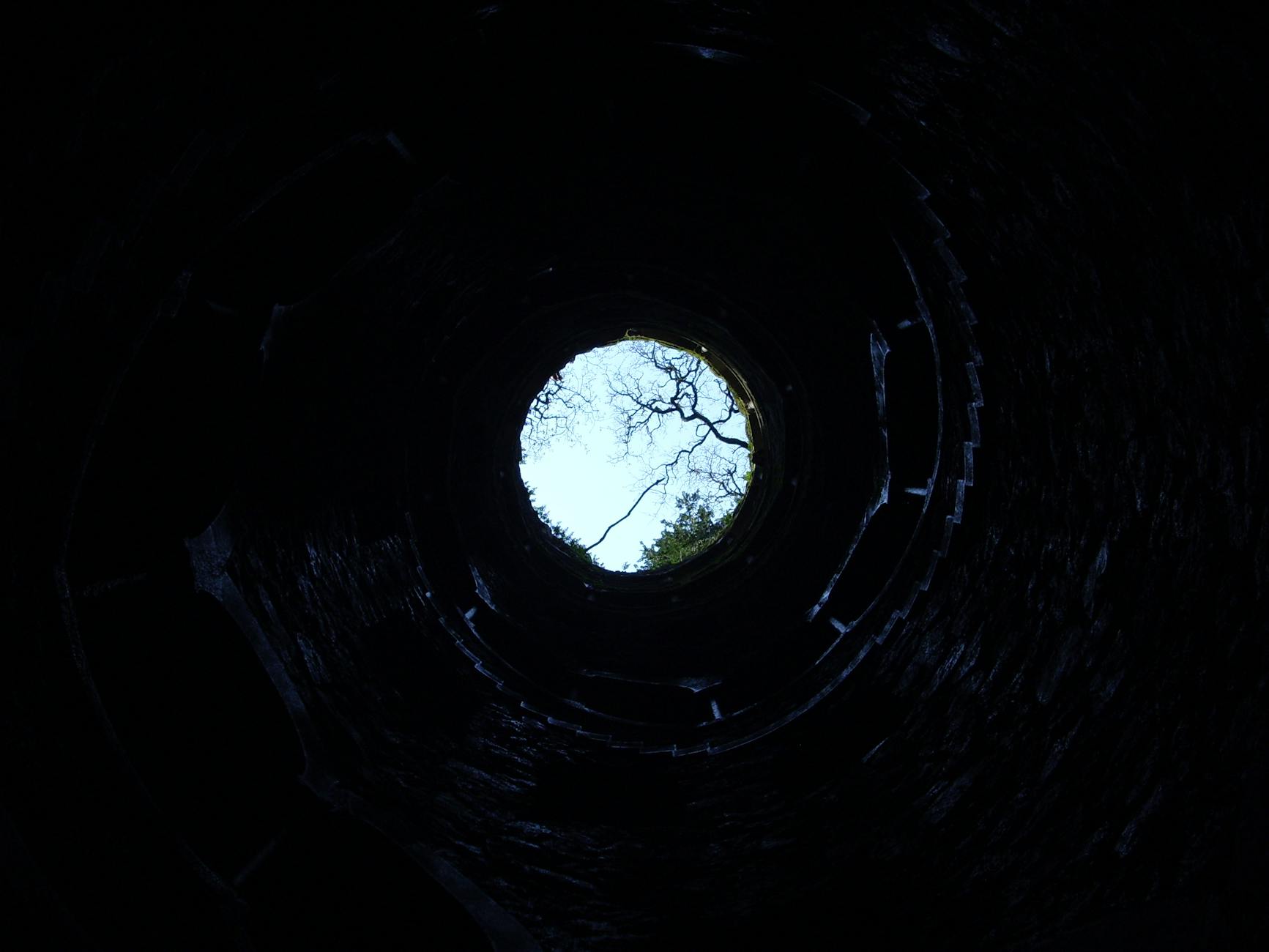
“The Cipher” by Kathe Koja is a novel that stands as a unique entry in the realm of psychological thrillers. The story is centered around Nicholas and Nakota, two individuals whose lives are irrevocably altered when they discover a mysterious black hole in the storage room of their apartment building. This phenomenon, which they dub the “Funhole,” becomes a source of both fascination and dread. As they delve deeper into its enigmatic presence, the Funhole begins to exert a disturbing influence over their minds and bodies.
The novel intricately weaves themes of obsession, fear, and human curiosity, providing a narrative that is as haunting as it is thought-provoking. Koja’s writing captures the essence of psychological horror, challenging readers to confront the darker recesses of the human psyche. The novel’s unsettling atmosphere and complex characters make it a compelling read for those drawn to the darker aspects of literature.
Kathe Koja’s Unique Style
Kathe Koja’s distinctive writing style is a defining feature of “The Cipher,” setting it apart in the psychological thriller genre. Her prose is both poetic and raw, capturing the reader’s attention with its vivid imagery and intense emotional depth. Koja deftly uses language to evoke a sense of unease and curiosity, pulling readers into the labyrinthine minds of her characters.
Her narrative technique often blurs the lines between reality and hallucination, reflecting the internal chaos experienced by Nicholas and Nakota as they grapple with the Funhole’s influence. Koja’s ability to delve into the psychological complexities of her characters ensures that the horror in “The Cipher” is not just external but deeply internalized.
This approach creates a layered storytelling experience that resonates with readers long after the final page. By blending existential dread with a keen insight into human nature, Koja crafts a narrative that is as haunting as it is thought-provoking.

Intriguing Plot Summary
“The Cipher” crafts an intricate plot that unfolds within the confines of an urban apartment complex, where the mundane meets the surreal. The story follows Nicholas and Nakota as they become ensnared by the mysterious Funhole—a strange, dark void that defies explanation. Initially drawn by curiosity, their fascination with the Funhole rapidly devolves into obsession, as it begins to exert a malevolent influence over their lives.
The plot thickens as they experiment with the Funhole, dropping various objects into its depths, only to witness bizarre and unsettling transformations. Tensions rise as their obsession threatens to consume them, blurring the lines between reality and illusion. Koja expertly paces the narrative, maintaining a sense of suspense and unpredictability that keeps readers engaged.
The novel’s urban setting enhances its eerie atmosphere, providing a stark backdrop for the unfolding psychological drama. Through this compelling plot, “The Cipher” explores themes of fear, desire, and the unknown.
Atmospheric Setting in Horror Literature
The setting in “The Cipher” plays a critical role in establishing the novel’s unsettling atmosphere, a hallmark of effective horror literature. Kathe Koja situates the story within a gritty, urban apartment building, a choice that amplifies the sense of isolation and claustrophobia experienced by the characters. This urban backdrop, with its dimly lit corridors and neglected spaces, becomes a character in its own right, mirroring the psychological unraveling of Nicholas and Nakota.
The confined quarters intensify their obsession with the Funhole, as the environment closes in on them, heightening the story’s tension and dread. Additionally, Koja’s vivid descriptions of the setting draw readers into a world where the boundary between the ordinary and the supernatural is blurred. The setting serves not just as a backdrop but as an active participant in the narrative, reflecting and amplifying the themes of fear and desire. This atmospheric depth is what makes “The Cipher” a standout in horror literature.

Depth of Character Development
In “The Cipher,” Kathe Koja showcases profound character development, particularly through the novel’s protagonist, Nicholas. As the narrative progresses, readers witness his transformation from a passive observer to a man consumed by his fascination with the Funhole. This journey is marked by an increasing internal conflict, as Nicholas grapples with his fears, desires, and existential questions. Koja skillfully portrays his psychological unraveling, making each decision and emotional shift feel authentic and impactful.
Similarly, Nakota, Nicholas’s companion, is portrayed with complexity, as her manipulative and adventurous nature drives much of the plot’s tension. Her influence over Nicholas adds layers to their dynamic, revealing the nuances of human relationships under strain. Through these well-developed characters, Koja explores themes of obsession, identity, and the human psyche’s darker facets. The depth of character development not only enhances the narrative’s emotional weight but also invites readers to reflect on their own inner struggles and desires.
Central Themes and Common Fears
“The Cipher” delves deeply into themes that resonate with universal fears, crafting a narrative that is both compelling and unsettling. At the heart of the novel is the exploration of obsession, as the characters’ fixation on the Funhole reflects a broader commentary on human curiosity gone awry. This obsession becomes a metaphor for the allure of the unknown and the destructive potential of unchecked desire.
The novel also grapples with themes of identity and transformation, as Nicholas and Nakota’s encounters with the Funhole challenge their perceptions of self and reality. Koja taps into the common fear of losing control, where the characters’ fascination turns into an uncontrollable spiral of events. Additionally, the story examines existential dread, provoking questions about meaning, purpose, and the black voids within each person. These central themes are intricately woven into the characters’ journeys, making “The Cipher” a rich exploration of the fears that lie at the core of the human experience.
Overall Impact of The Cipher
“The Cipher” leaves a lasting impression as a powerful entry in the psychological thriller and horror literature genres. Kathe Koja’s innovative storytelling and the novel’s intricate blend of character development, plot, and themes ensure its impact is both profound and enduring. The narrative’s exploration of fear, desire, and identity resonates deeply with readers, inviting them to confront their own vulnerabilities and curiosities.
The novel’s atmospheric setting and rich character arcs contribute to a compelling reading experience that lingers long after the final page. Koja’s ability to weave existential questions with psychological horror elevates “The Cipher” beyond mere entertainment, offering a thought-provoking reflection on the human condition. This novel has cemented its place in horror literature as a work that challenges and engages, providing both suspense and insight. For those who seek a narrative that delves into the depths of the psyche, “The Cipher” stands as a haunting, unforgettable journey.
Connecting with Psychological Thrillers
“The Cipher” firmly establishes its connection to the genre of psychological thrillers by delving into the complexities of the human mind and the darker facets of curiosity and obsession. Kathe Koja crafts a narrative that intertwines suspense with profound psychological insight, making it a standout work that appeals to fans of the genre.
The novel’s focus on internal conflict and existential dread aligns with the core elements that define psychological thrillers, offering readers a chilling yet introspective experience. Through its exploration of the unknown and the impact of transformative experiences on identity, “The Cipher” resonates with common themes found in the genre, such as the tension between reality and illusion. By engaging with these themes, the book offers a narrative that is both intellectually stimulating and emotionally gripping.
This connection ensures that “The Cipher” not only entertains but also prompts reflection on the nature of fear and the human psyche, a hallmark of effective psychological thrillers.
 Katie Marie Robinson-Sherlock
I’d love to hear what you think, please comment below.