
In the shadowy recesses of British crime history, the infamous Great Train Robbery of 1963 stands as a monumental testament to criminal ingenuity and audacity.
On the night of August 8, a band of masterminds orchestrated a daring heist, seizing £2.6 million from a Royal Mail train—a staggering sum that sent shockwaves through the nation. As the plot unfolded, the subsequent manhunt became a suspenseful saga, captivating the public’s imagination and adding an indelible chapter to the annals of British crime.
Delve into this thrilling narrative where every twist and turn reveals the complex web of strategies and narrow escapes, challenging the very fabric of law enforcement. Join me as we unravel the enigmatic tale of this legendary robbery, exploring its impact and the lessons it etched into the history of criminal pursuits.
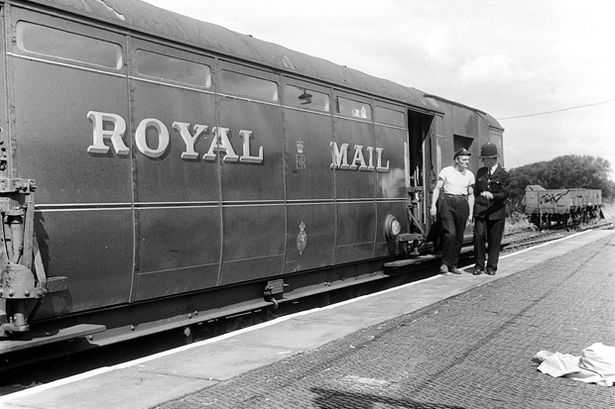
Anatomy of the 1963 Heist
The 1963 heist unfolded with military precision, involving a team of 15 men who meticulously planned every detail. The Royal Mail train, traveling from Glasgow to London, was targeted for its valuable cargo.
- Preparation: The gang spent months gathering intelligence on the train’s operations.
- Execution: On the night of the robbery, they tampered with railway signals, stopping the train in its tracks.
- The Heist: Armed with coshes, the robbers subdued the train crew and loaded 120 bags of cash into their vehicles.
The robbery was swift and efficient, lasting only 15 minutes. With £2.6 million in hand, the gang made their escape, leaving behind minimal evidence. This operation was not just about brute force but highlighted criminal ingenuity that law enforcement struggled to counter.
Masterminds Behind the Robbery
The Great Train Robbery was not just a product of chance but the brainchild of seasoned criminals. Bruce Reynolds, the gang’s leader, was pivotal in orchestrating the heist.
- Reynolds had a knack for detail and secrecy, crucial traits that kept the plan under wraps.
- The gang included Buster Edwards, known for his charm and cunning, and Ronnie Biggs, whose eventual escape from prison became legendary.
- Each member had a specific role, from logistics to execution, ensuring a smooth operation.
These individuals were not mere bandits but rather a collection of criminal minds who understood the stakes and planned accordingly. Their ability to evade law enforcement for a time speaks volumes about their expertise and the flaws in the system they exploited.
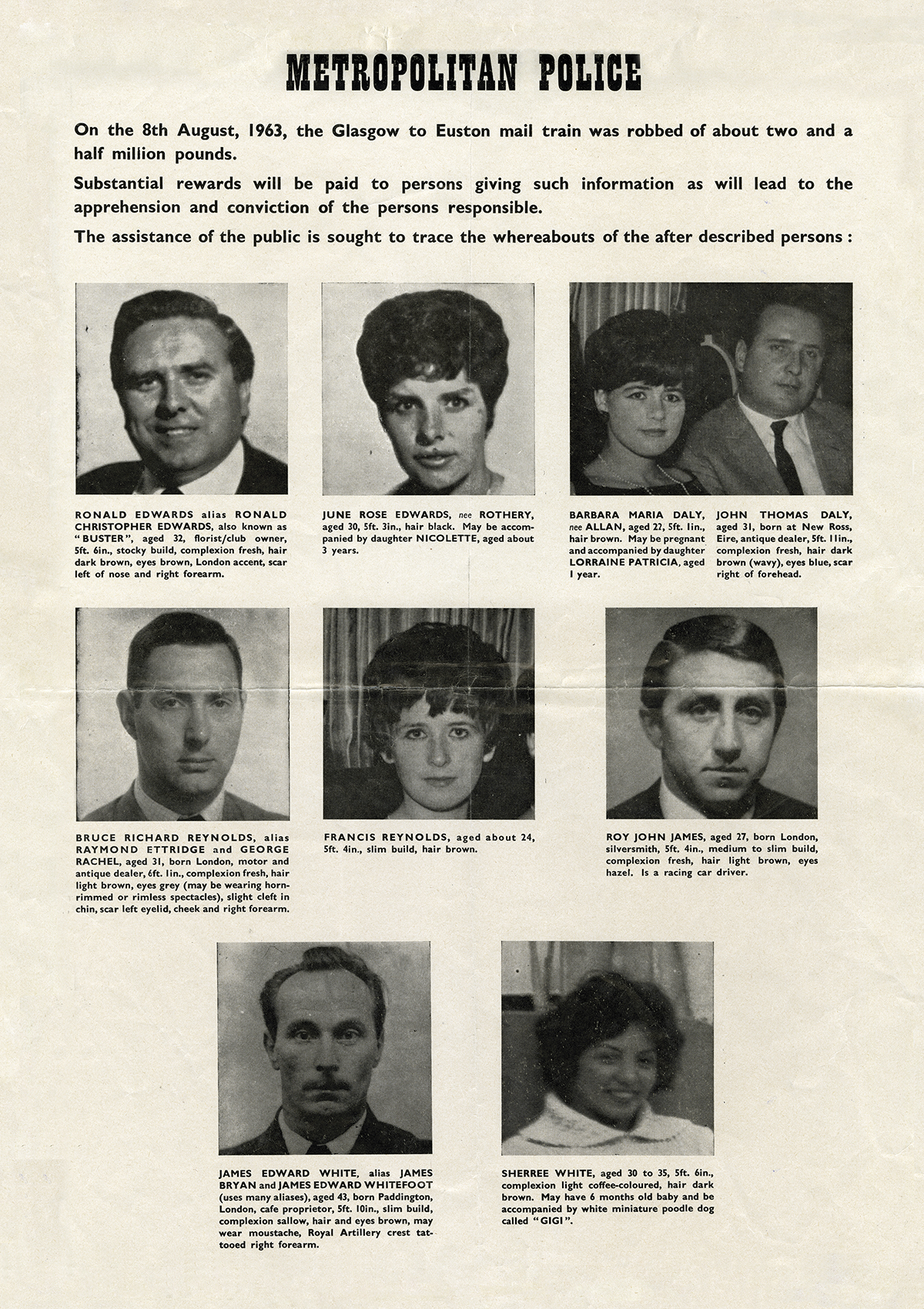
Tracking the Elusive Culprits
Following the robbery, a nationwide manhunt ensued, capturing public attention and media fascination. This section explores the law enforcement efforts and the resulting media frenzy.
The manhunt that followed the Great Train Robbery was one of the largest in British history. Authorities faced the daunting task of tracking down a gang that had left little trace.
- Initial Leads: The police struggled with the lack of concrete leads, relying heavily on informants.
- Breakthrough: A key discovery at the gang’s hideout, Leatherslade Farm, provided critical evidence, including fingerprints.
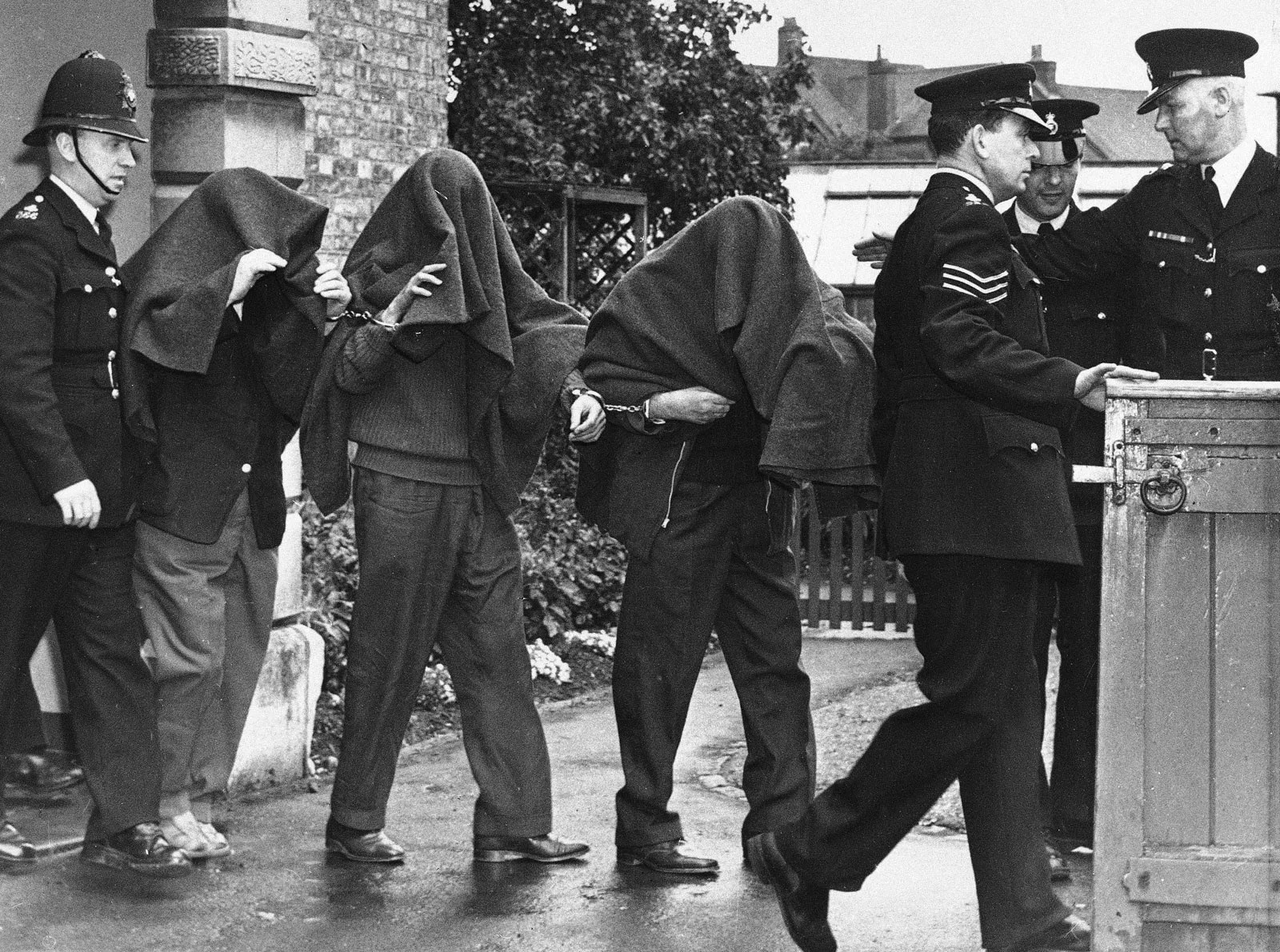
- Arrests: Over time, many gang members were apprehended, though some, like Ronnie Biggs, eluded capture for years.
This pursuit highlighted the challenges faced by law enforcement in dealing with organized crime. The detectives’ persistence, combined with the media’s watchful eye, eventually led to many arrests, demonstrating the power of coordinated efforts in criminal investigations.
Public Fascination and Media Frenzy
The Great Train Robbery captivated the public like few crimes before it. The media played a critical role in keeping the story alive, turning it into a national spectacle.
“The audacity of the robbery and the sheer scale of the manhunt kept the nation on tenterhooks,” reported the BBC at the time.
- Newspapers provided daily updates, each twist and turn eagerly consumed by readers.
- The public’s imagination was fueled by the enigmatic figures involved and their daring escape plans.
- TV and radio broadcasts expanded the reach of the story, sparking debates and discussions across the country.
This media frenzy not only kept the pressure on the authorities but also immortalized the robbery in popular culture, paving the way for numerous books and films that followed.
Lasting Impact on British Crime History
The aftershocks of the Royal Mail train robbery were felt long after the event itself. This section examines its impact on security measures and its cultural significance.
The 1963 heist exposed significant security flaws and prompted a reevaluation of safety protocols.
- Vulnerability Assessment: The robbery highlighted the need for better protection of valuable transports.
- Technological Advancements: Introduction of enhanced surveillance and communication systems in rail networks.
- Policy Changes: Stricter regulations were implemented to prevent similar incidents.
These developments were crucial in closing loopholes that criminals could exploit, marking a shift towards more robust security frameworks. The lessons learned from this event informed future strategies in safeguarding assets and deterring criminal activities.
Cultural Echoes of the Royal Mail Train Robbery
The cultural impact of the Royal Mail train robbery continues to resonate in British society. Its place in popular culture is cemented through various adaptations and references.
- Films and documentaries have dramatized the heist, bringing the story to new generations.
- Literature, both factual and fictional, explores the personalities and dynamics of the gang.
- Public memory persists, with the robbery symbolizing both criminal audacity and the relentless pursuit of justice.
The enduring fascination with the Great Train Robbery speaks to its narrative power, blending real-life drama with enduring lessons on crime and punishment.
 Katie Marie Robinson-Sherlock
I’d love to hear what you think, please comment below.