
Stephen Graham Jones stands as a towering figure in the landscape of contemporary horror, captivating readers with his ability to weave indigenous culture into the fabric of speculative fiction. With a masterful touch, Jones explores the complexities of identity in literature, crafting narratives of trauma that resonate with the supernatural themes he so deftly employs. His works not only challenge the conventions of the horror genre but also offer a fresh perspective that redefines what it means to be a horror writer today. As we delve into his most impactful stories, we uncover how his literary contributions continue to shape and inspire both fans and critics alike, sparking curiosity and excitement in all who dare to enter his eerie worlds.
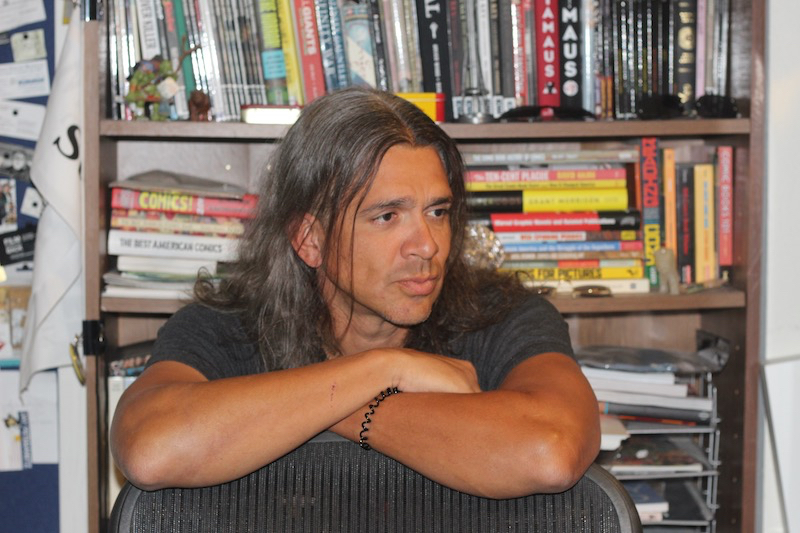
Redefining Contemporary Horror
Contemporary horror has evolved significantly, and Stephen Graham Jones is at the forefront of this transformation. His narratives push against the traditional boundaries of the genre, creating unsettling yet captivating worlds. Unlike classic horror that relies heavily on fear of the unknown, Jones’s stories delve into the familiar, rendering them even more chilling by highlighting the horrors within our reality.
Jones’s work often blurs the line between reality and the supernatural, making readers question what is truly terrifying. In novels like “The Only Good Indians,” he combines cultural heritage with modern horror elements, creating a narrative that is both deeply personal and universally frightening. This blending technique showcases his ability to craft stories that resonate on multiple levels.
Through his unique storytelling, Jones invites readers to confront their own fears and prejudices, making his contribution to contemporary horror both significant and transformative. His influence is evident in how horror is perceived today, shifting from mere entertainment to a medium for exploring profound themes.

Indigenous Culture in Speculative Fiction
The integration of indigenous culture into speculative fiction by Stephen Graham Jones brings a new dimension to the genre. His works offer an authentic representation that is often missing in mainstream horror, incorporating cultural stories and beliefs into his narratives.
Jones’s storytelling is deeply rooted in his Blackfeet heritage. In books such as “Mapping the Interior,” he weaves traditional lore with contemporary settings, creating a tapestry of cultural significance. This approach not only enriches the narrative but also broadens the reader’s understanding of indigenous perspectives.
By infusing his work with indigenous culture, Jones challenges the genre’s norms, making space for diverse voices in horror literature. His stories serve as a bridge between traditional folklore and modern speculative fiction, offering readers a glimpse into a world that is both familiar and foreign.
Jones’s commitment to representing indigenous culture authentically has inspired other writers to explore similar themes, contributing to a more inclusive literary landscape. This inclusion of diverse narratives helps expand the scope of speculative fiction, making it more reflective of a global audience.

Identity and Trauma in His Works
Jones’s exploration of identity and trauma is a recurring theme in his writing. He adeptly uses the horror genre to address complex issues, making his stories resonate on a deeper emotional level. This is particularly evident in his portrayal of characters who struggle with their sense of self and the haunting echoes of past traumas.
His novel “The Only Good Indians” exemplifies this approach. The story delves into the psychological and cultural battles faced by its characters, who are haunted by their past choices. This narrative not only explores personal grief but also tackles broader themes of cultural identity and generational trauma.
Jones utilizes horror as a lens to examine these intricate themes, making them accessible and relatable to readers. Through his stories, he offers a unique perspective on how trauma shapes identity, and how individuals navigate their personal horrors.
In doing so, Jones has carved out a niche in the horror genre, where narrative depth and emotional truth are as important as the scares themselves. His works continue to inspire both readers and writers, setting a standard for how horror can engage with serious and personal topics.
 Katie Marie Robinson-Sherlock
I’d love to hear what you think, please comment below.