
In the dimly lit corridors of horror storytelling, one archetype stands as both infamous and irresistible: the character whose insatiable curiosity leads them to uncover unspeakable horrors. The phrase “curiosity killed the cat” has long been a staple in supernatural narratives, offering writers a compelling tool to weave suspenseful tales that keep audiences on the edge of their seats.
But why does this particular cliché continue to captivate us?
As we delve into the depths of horror clichés and supernatural tropes, we unravel the complexities of this archetype and its enduring presence across the horror genre. Join me as we venture beyond the cliché to explore how curiosity in horror can both define and doom our favorite characters, offering a fresh lens through which to view these timeless tales.

Origins of the Cliché
The origins of the “curiosity killed the cat” cliché can be traced back to ancient folklore and myth. Stories where curiosity leads to danger have long existed, with narratives cautioning against the pursuit of forbidden knowledge. In horror, this archetype is pervasive, symbolizing the tension between human curiosity and the unknown.
In early literature, tales like Pandora’s Box illustrate how unchecked curiosity can lead to chaos. These narratives serve as a warning, embedding themselves into cultural consciousness as a symbolic reminder of the perils of curiosity.
The transformation of this cliché in horror storytelling is notable. As the genre evolved, so did the role of curiosity. It shifted from a mere plot device to a profound element that defines characters, driving them toward the inevitable confrontation with terror.
Evolution in Horror Storytelling
As horror storytelling progressed, so did the depiction of curiosity-driven characters. Initially, curiosity was a straightforward pathway to danger, but it has since become a more nuanced tool for character development.
In modern horror films, curiosity is often depicted as a double-edged sword, with characters torn between the lure of the unknown and the safety of ignorance. This evolution allows for richer storytelling, where characters are more than just victims of their inquisitiveness.
Additionally, the audience’s relationship with curiosity has evolved. Through the lens of horror, viewers experience a vicarious thrill as characters navigate the blurred line between curiosity and caution. The anticipation of what lies beyond each decision heightens the suspense, making curiosity an essential component of horror narratives.
Character Archetypes and Curiosity
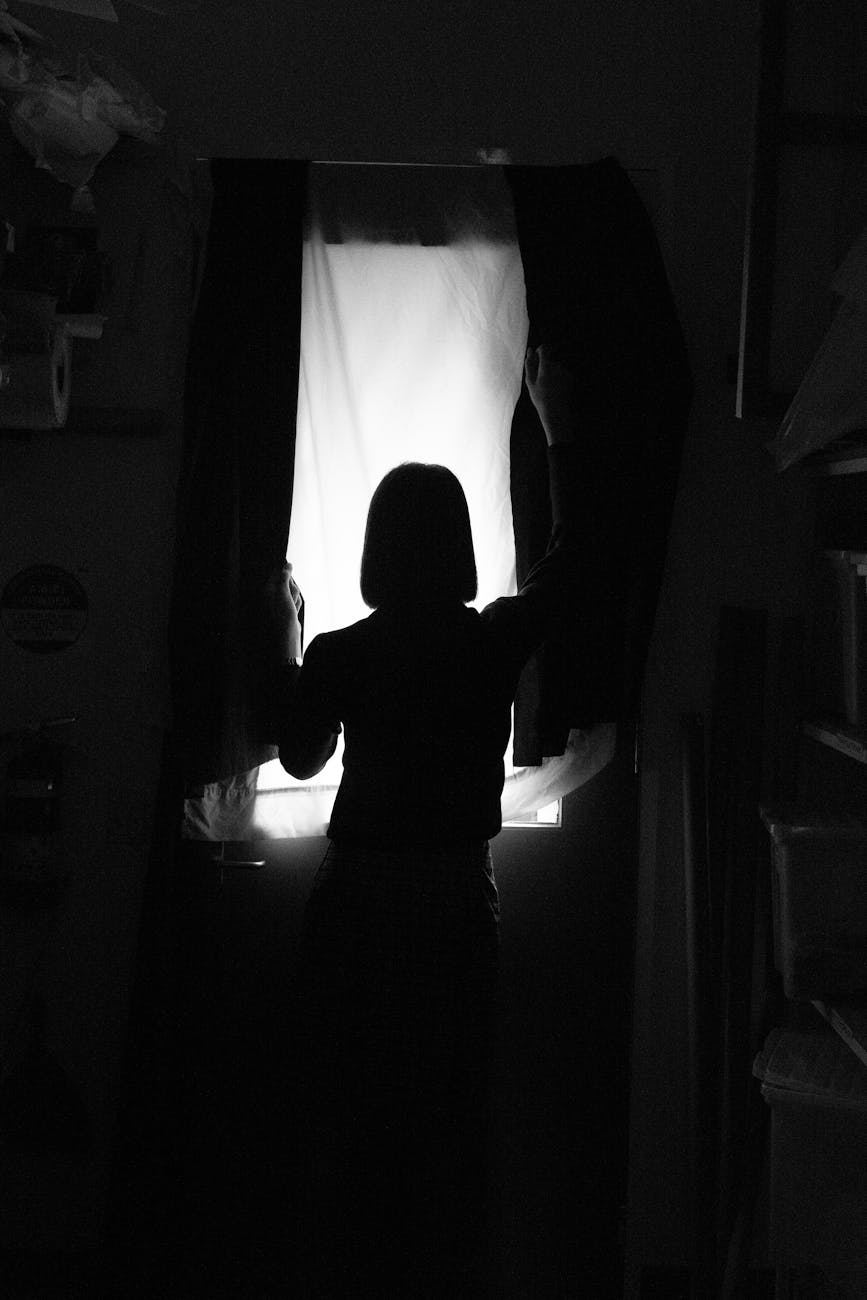
Character archetypes in horror often revolve around curiosity as a defining trait. The “curious investigator” is a prime example, driven by an insatiable need to uncover the truth, regardless of the consequences.
These characters serve as conduits for the audience’s own curiosity. Through their eyes, we explore haunted houses, mysterious artifacts, and hidden secrets. Their journey is a reflection of our desire to delve into the unknown, even when it leads to terror.
Conversely, curiosity can become a fatal flaw. Characters who ignore warnings and delve too deep often face dire consequences. This dynamic adds layers to horror storytelling, illustrating how curiosity can define and doom characters, making their narratives compelling and cautionary.
Impact on Supernatural Tropes
Curiosity plays a pivotal role in shaping supernatural tropes within horror narratives. When characters encounter the supernatural, their inquisitiveness often dictates their interactions with these elements.
In the realm of the supernatural, curiosity can lead to the unearthing of ancient evils or the awakening of dormant spirits. These moments are crucial in horror storytelling, as they set the stage for tension and conflict.
Moreover, curiosity allows for the exploration of complex supernatural worlds. Characters who venture beyond the ordinary invite the audience to question the boundaries of reality, engaging with the unknown in ways that challenge their perceptions and fears.

Critique of Cliché Analysis
Cliché analysis in horror often involves dissecting familiar tropes to understand their appeal and limitations. While clichés can become predictable, they also offer a framework for storytelling that resonates with audiences.
Critics argue that reliance on clichés can stifle creativity, leading to formulaic plots. Yet, clichés persist because they tap into universal fears and emotions. They provide a shared language between creators and viewers, facilitating engagement with familiar themes in new contexts.
However, effective horror often subverts clichés, using them as a foundation for innovation. By understanding the mechanics of clichés, writers can manipulate expectations, crafting narratives that surprise and captivate.
Redefining Horror Genre Narratives
Redefining horror narratives involves moving beyond clichés to explore new dimensions of fear. This process requires balancing tradition with innovation, creating stories that resonate with contemporary audiences.
To redefine horror:
- Incorporate diverse perspectives: Introduce characters and settings that defy conventional stereotypes.
- Blend genres: Merge horror with elements of drama, mystery, or science fiction to create unique narratives.
- Subvert expectations: Use clichés as a starting point, then twist them to surprise the audience.
By reimagining horror through these methods, creatives can craft stories that are both familiar and revolutionary. This approach ensures the horror genre remains dynamic, engaging, and relevant in an ever-evolving cultural landscape.
 Katie Marie Robinson-Sherlock
I’d love to hear what you think, please comment below.