
The mystical allure of Chaneques folklore, rooted in Mexican mythology, captivates the imagination of those intrigued by the world of mythical creatures. These enigmatic beings, known for their mischievous antics and deep connection to the natural world, have left an indelible mark on modern storytelling.
Tracing the origins of the Chaneques reveals a rich tapestry of cultural beliefs that continue to shape contemporary literature and media. As we explore their presence in films and television, we gain insights into how these tales reflect and preserve cultural values and fears.
Join me in an exploration of the enduring cultural impact of Chaneques, where ancient myths breathe life into today’s narratives.
Roots in Mexican Mythology
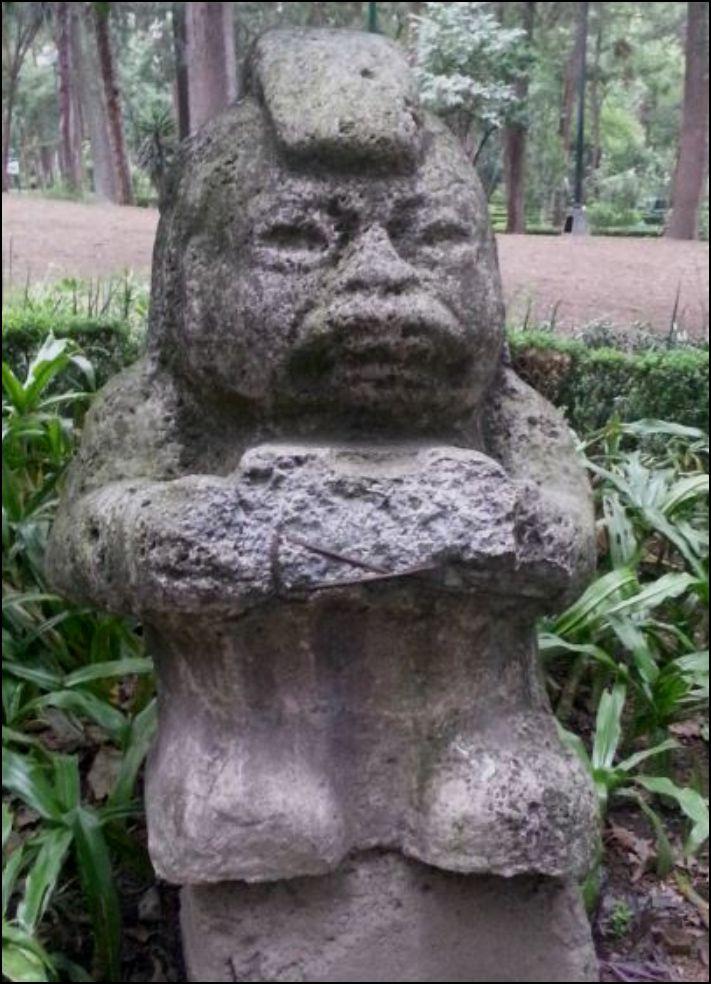
The Chaneques’ origins are steeped in the rich tapestry of Mexican mythology. These mythical creatures are believed to be ancient spirits or guardians of the forest, tasked with protecting nature and its secrets. Etymologically, the term “Chaneque” derives from the Nahuatl word “Ohuican Chaneque,” which translates to “those who inhabit dangerous places.”
Chaneques are often depicted as small, mischievous beings that dwell in the wild, embodying the unpredictable forces of nature. They are similar to fairies or goblins in other cultures but possess unique traits that reflect Mexican traditions. Their tales often involve leading travelers astray, exemplifying their role as custodians of the unknown.
In Mexican culture, Chaneques are often associated with specific regions and local legends, further enriching their mythical status. Stories passed down through generations have kept the Chaneques alive in cultural consciousness, influencing not only folklore but also modern depictions in literature and media.
Connection to the Natural World
The Chaneques’ deep connection to the natural world is a fundamental aspect of their mythology. They are considered protectors of forests and rivers, often linked to the elemental forces of earth and water. This connection emphasizes their role in maintaining ecological balance.
In folklore, Chaneques are known to guard specific natural sites, often punishing those who disrespect the environment. Their presence in these tales underscores the importance of respecting nature, a theme prevalent in many indigenous cultures. This reverence for the environment is mirrored in the Chaneques’ actions and their interactions with humans.
Their folklore often serves as a cautionary tale, reminding people of the consequences of environmental neglect. By embodying nature’s unpredictable and sometimes vengeful aspects, Chaneques reinforce the idea that humans must coexist harmoniously with the natural world.

Influence on Contemporary Literature
Chaneques have made their mark on contemporary literature, captivating authors with their mystical and mischievous nature. These creatures have become symbols of mystery and the supernatural, with their legends woven into the fabric of modern narratives.
In literature, Chaneques are often portrayed as both antagonists and allies, reflecting their dual nature in folklore. This complexity allows for nuanced storytelling, where characters must navigate their interactions with these elusive beings. Authors draw on the Chaneques’ mythological background to add depth and intrigue to their stories.
Chaneques appear in various genres, from fantasy to horror, each time bringing a unique blend of enchantment and danger. Their presence in literature highlights the enduring appeal of mythical creatures and their ability to adapt to new storytelling contexts.
Chaneques in Films and Television
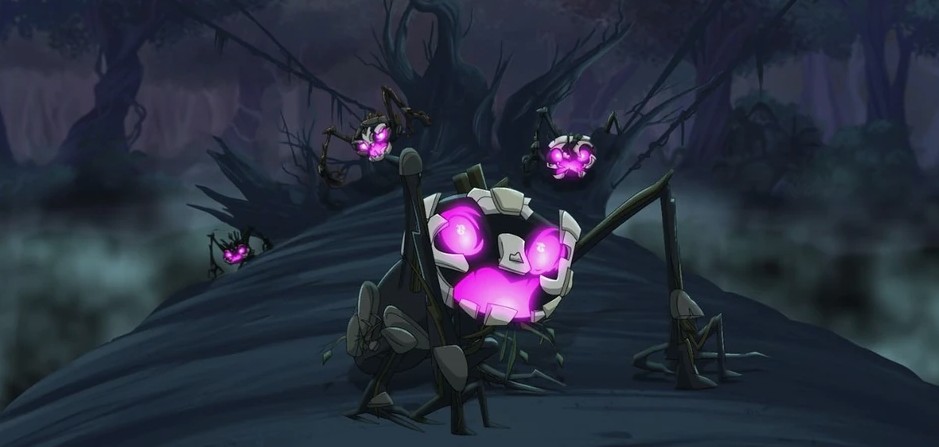
In films and television, Chaneques bring an element of the supernatural to the screen, capturing audiences’ imaginations with their enigmatic presence. These depictions often draw from traditional folklore, emphasizing the Chaneques’ mystical and unpredictable nature.
Movies and shows featuring Chaneques often explore themes of nature, magic, and the unknown. They present these creatures as both protectors and tricksters, challenging characters to confront their fears and beliefs. This duality makes for compelling storytelling, where Chaneques serve as both obstacles and guides.
The visual medium allows for creative interpretations of Chaneques, with imaginative designs that highlight their otherworldly qualities. Through film and television, Chaneques continue to influence modern storytelling, bringing their ancient myths to life for new generations.

Embodiment of Fears and Values
Chaneques are more than just mythical creatures; they symbolize cultural fears and values embedded in Mexican society. Their stories often reflect human anxieties about the natural world and the unknown. They represent the unpredictable side of nature, reminding us of the balance between humanity and the environment.
Chaneques also embody the cultural value of respect for the natural world. Their tales caution against disrespecting nature, illustrating the consequences of ignoring this vital relationship. This theme resonates with contemporary environmental concerns, highlighting the timeless relevance of Chaneques folklore.
In many ways, Chaneques serve as cultural mirrors, reflecting societal values and fears. Their enduring presence in folklore and media underscores their role as both guardians and symbols of the natural and supernatural worlds.
Inspiration for New Narratives
The Chaneques’ rich mythological background continues to inspire new narratives in literature and media. Writers and creators draw on their folklore to craft stories that explore timeless themes of nature, magic, and the unknown.
Chaneques serve as powerful symbols in storytelling, offering a wealth of narrative possibilities. They inspire tales of adventure, mystery, and moral lessons, inviting audiences to explore the depths of human imagination. Their adaptability allows them to appear in various genres, from fantasy to horror.
By incorporating Chaneques into modern narratives, creators can address contemporary issues through the lens of folklore. This blend of old and new storytelling keeps the Chaneques relevant, ensuring their myths endure and evolve alongside changing cultural landscapes.
 Katie Marie Robinson-Sherlock
I’d love to hear what you think, please comment below.