
Algernon Blackwood’s “The Willows” stands as a quintessential piece of supernatural fiction, weaving atmospheric writing with psychological tension to create an unforgettable narrative. This review unpacks the complex relationship between nature and the uncanny as experienced by the protagonists, highlighting Blackwood’s unique ability to evoke dread through his vivid description of the environment.
As we explore the themes of isolation in literature and the interplay of fear and wonder, you’ll gain insight into how Blackwood crafts a world where the ordinary becomes extraordinary. Prepare to engage with a story that masterfully blurs the line between reality and the unknown, inviting you to ponder the mysteries hidden within the natural world. For more on “The Willows,” visit Goodreads.
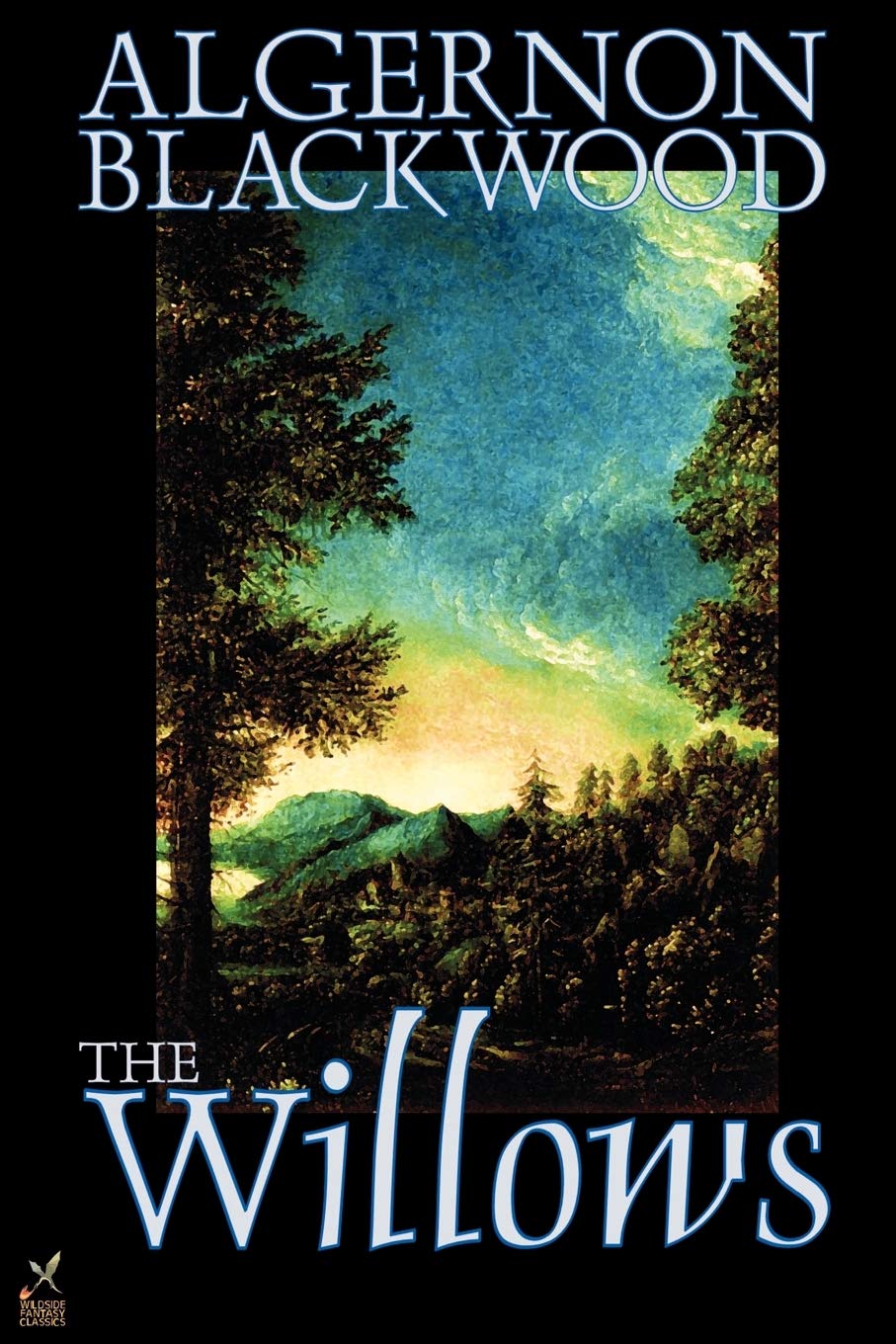
Atmospheric Writing and Dread
Algernon Blackwood’s prowess in atmospheric writing is evident as he paints the landscape of “The Willows” with vivid strokes of imagination. The novella is set against the backdrop of the Danube River, where nature is not just a setting but an active participant in the unfolding drama. Through rich, evocative descriptions, Blackwood breathes life into the environment, making every rustling leaf and shifting shadow a harbinger of impending doom.
In this supernatural fiction, Blackwood doesn’t rely on overt horror. Instead, he builds a slow-burning sense of dread by tapping into the primal fear of the unknown. The protagonists’ journey through the unnerving wilderness highlights how the ordinary can become extraordinary, instilling a sense of unease that lingers long after the story concludes.
Atmosphere in “The Willows” is not merely about setting the scene. It’s about creating a psychological landscape where the reader’s imagination fills in the gaps, intensifying the fear of what lurks beyond perception. This approach allows Blackwood to craft a narrative that is as much about internal terror as it is about external threats.
Psychological Tension and Isolation
Psychological tension is a cornerstone of “The Willows,” as Blackwood skillfully explores the minds of his characters. Faced with the inexplicable phenomena surrounding them, the protagonists’ sense of reality begins to unravel. This mental strain is a powerful tool used by Blackwood to engage readers, inviting them to question the boundaries between perception and reality.
As the story progresses, the protagonists experience a growing sense of isolation, not only from the world they know but also from each other. Their shared ordeal becomes a psychological battleground, with each character grappling with their fears in isolation, despite their physical proximity.
This theme of isolation serves as a mirror for the reader, reflecting the inner turmoil that arises when confronted with the unknown. By isolating his characters within the vast, indifferent landscape, Blackwood amplifies their vulnerability, making the reader acutely aware of the fragility of the human psyche.

Evoking Fear and Wonder
Blackwood’s ability to evoke fear and wonder in tandem is a testament to his skill as a storyteller. The landscape in “The Willows” is described with such poetic detail that it becomes a character in its own right. The natural world is imbued with a sense of mystery, where every sound and sight carries a duality of meaning.
This duality is where Blackwood excels, as he harnesses the inherent wonder of nature to underscore the supernatural elements of the story. By intertwining the awe-inspiring with the terrifying, Blackwood crafts a narrative that resonates deeply with the reader, tapping into the universal human experience of awe and fear.
The result is a story that is as much about the beauty of the natural world as it is about its potential for menace. This balance creates a rich tapestry of emotions that linger long after the final page is turned.
Themes of Isolation in Literature
Isolation as a theme in literature often explores the human condition in stark relief, and Blackwood’s “The Willows” is no exception. The novella delves into the profound impact of isolation on the psyche, highlighting how separation from the familiar can lead to both self-discovery and despair.
In “The Willows,” the protagonists’ isolation is both physical and psychological. Cut off from civilization, they are forced to confront the unfamiliar and the unsettling, leading to a heightened state of anxiety and introspection. This experience is a powerful reminder of the thin line between sanity and madness that can be crossed when one is pushed to the extremes of isolation.
The theme of isolation in “The Willows” serves as a metaphor for the existential questions that arise in the face of the unknown. It challenges readers to consider their own experiences of solitude and how these moments have shaped their perceptions of the world.
For more insights into “The Willows,” check out Blinkist.
 Katie Marie Robinson-Sherlock
I’d love to hear what you think, please comment below.