
In the realm of 2024 horror movies, “The Curse of the Necklace” stands out as a gripping entry in the supernatural horror genre. Directed by Juan Pablo Arias Munoz, this film weaves a chilling narrative that captivates both horror enthusiasts and critics alike. As we delve into this critique of The Curse of the Necklace, we’ll examine what sets this supernatural horror film apart from its contemporaries and why it might be considered one of the best horror films of 2024. With a compelling storyline and atmospheric tension, Munoz crafts a world where the supernatural intertwines seamlessly with psychological dread.
Join me as we unravel the elements that make “The Curse of the Necklace” a standout experience in modern horror cinema.
Visual Storytelling in Horror
Visual storytelling in horror relies on imagery to evoke emotions and convey narratives without explicit dialogue. In “The Curse of the Necklace,” this technique is pivotal. Munoz uses shadows and lighting to create tension, playing with audiences’ expectations.
- Lighting: The use of low-key lighting enhances the mysterious ambiance, making viewers anticipate the unexpected.
- Framing and Composition: Tight shots focus on characters’ expressions, heightening emotional responses.
- Color Palettes: The film’s muted tones emphasize the bleakness of the supernatural world, drawing viewers deeper into its narrative.
Each visual choice Munoz makes serves to reinforce the film’s themes and mood, effectively engaging the audience in a visceral manner.
Sound and Atmosphere
Sound design in horror films is crucial for building tension and creating an immersive atmosphere. “The Curse of the Necklace” utilizes a complex soundscape to enhance its storytelling.
- Ambient Sounds: The background noises subtly unsettle the audience, contributing to the film’s eerie atmosphere.
- Music Score: A haunting score underscores pivotal scenes, manipulating emotional responses.
- Silence: Strategic use of silence can be just as powerful, allowing suspense to build naturally.
These elements work together to immerse audiences in the film, making sound an integral part of its horror experience.
Symbolism and Themes
Symbolism in “The Curse of the Necklace” is rich and layered, offering deeper meaning beyond the surface narrative. Munoz integrates symbols to explore themes of fear, loss, and identity.
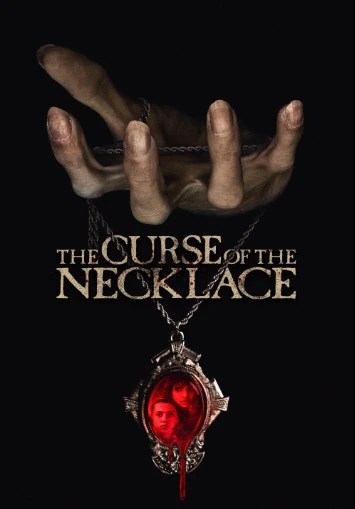
- The Necklace: As a central symbol, it represents both beauty and danger, intertwining the supernatural with the personal.
- Mirrors: Reflect self-perception and duality, essential themes in horror.
- Isolation: Symbolizes the internal struggles of the characters, enhancing the sense of dread.
These symbols serve as narrative devices that challenge viewers to reflect on the broader implications of the story beyond its immediate scares.

Protagonists and Antagonists
The interplay between protagonists and antagonists is central to the film’s tension. In “The Curse of the Necklace,” this dynamic is nuanced and compelling.
- Protagonists: Portrayed as relatable and vulnerable, their journey mirrors universal fears.
- Antagonists: Embody supernatural and psychological threats, challenging the protagonists at every turn.
- Character Development: Munoz crafts characters with depth, ensuring audiences invest emotionally.
These roles are vital in driving the narrative forward, providing a foundation for the film’s horror elements.
Narrative Structure and Pacing
The narrative structure of “The Curse of the Necklace” is meticulously designed to maintain suspense. Munoz’s approach to pacing is both deliberate and effective.
- Introduction: Establishes the film’s tone and setting, engaging the audience from the outset.
- Rising Action: Gradually builds tension, introducing supernatural elements.
- Climax: Delivers intense moments of horror, where narrative threads converge.
The film’s structure ensures a consistent build-up of tension, keeping viewers engaged and on edge throughout its runtime.
Subverting Horror Tropes
Munoz’s film subverts traditional horror tropes, offering fresh perspectives within the genre. This approach challenges audiences to rethink their expectations.
- Unpredictable Plot Twists: Keeps viewers engaged, defying typical horror formulas.
- Complex Characters: Breaks stereotypes, adding depth to the narrative.
- Innovative Themes: Explores new territory within the supernatural horror genre.
This subversion enriches the film, offering a novel experience for seasoned horror enthusiasts.
Social Commentary and Stereotypes
“The Curse of the Necklace” is not just a supernatural horror film; it offers insightful social commentary. Munoz addresses stereotypes and societal fears with a critical lens.
- Cultural Reflections: Portrays societal anxieties, resonating with contemporary audiences.
- Stereotypes: Challenges preconceived notions, promoting deeper understanding.
- Narrative Depth: Encourages viewers to contemplate broader social issues.
Through its narrative, the film provokes thoughtful discourse, elevating it beyond mere entertainment. For more perspectives, consider visiting Rotten Tomatoes and Movies and Mania.
 Katie Marie Robinson-Sherlock
I’d love to hear what you think, please comment below.