
In the realm of horror cinema, few films have managed to captivate and unsettle audiences quite like “The Eyes of My Mother,” a 2016 gem directed by the visionary Nicolas Pesce. This black-and-white horror masterpiece not only stands out among 2016 horror films but also redefines the genre with its unique blend of psychological horror and stunning visual storytelling. As an entrepreneur in independent horror cinema, Pesce leverages the stark contrasts of black-and-white to heighten tension and evoke emotional depth that resonates with audiences long after the credits roll.
Dive in to explore how Pesce’s groundbreaking approach to horror storytelling has cemented his place as a trailblazer in the industry. Whether you’re a seasoned horror enthusiast or new to the genre, this film’s chilling narrative and artistic execution are sure to inspire a deeper appreciation for the art of horror.
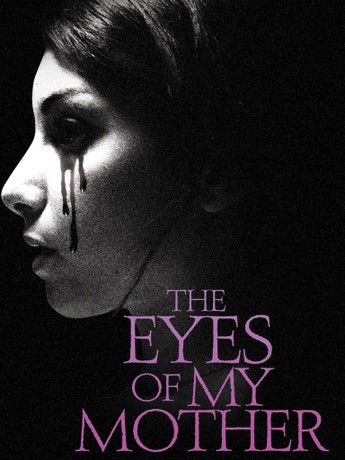
Unique Vision in Horror
Nicolas Pesce’s unique vision in horror is apparent through his ability to blend unsettling narratives with visually arresting aesthetics. His approach often defies genre conventions, offering audiences a fresh perspective on fear. An example of this can be found in his film’s reception, where critics praised its originality and emotional depth.
Pesce’s storytelling is characterized by its psychological intensity. This intensity is achieved through his use of character-driven plots that delve into the morbid aspects of human nature. By focusing on character psychology, he crafts stories that are both horrifying and deeply personal.
Moreover, Pesce is known for his meticulous attention to detail. Every frame in his films is crafted to evoke a specific emotional response, making his work not only a visual treat but also a psychological journey. Such precision in storytelling places Pesce among the most innovative directors in the horror genre.
Mastery of Black-and-White Aesthetics
Pesce’s mastery of black-and-white aesthetics is a defining feature of his filmmaking style. This choice is not merely for artistic flourish; instead, it serves to amplify the emotional impact of the narrative. In interviews, Pesce noted that black-and-white imagery strips away distractions, allowing viewers to focus on emotion and story.
The use of stark contrasts in black-and-white film heightens the sense of dread and suspense. In “The Eyes of My Mother,” shadows play a crucial role in creating an atmosphere of isolation and fear, enhancing the psychological horror elements.
Furthermore, black-and-white imagery can evoke a timeless quality, making the horror feel both contemporary and classic. This duality is integral to Pesce’s work, allowing his stories to resonate with a broad audience while maintaining a distinct stylistic signature.

Psychological Horror Elements
“The Eyes of My Mother” weaves psychological horror through its exploration of isolation and trauma. The story centers on a young woman whose life is shaped by a series of disturbing events. This narrative choice creates a character study that is as haunting as it is captivating.
Pesce uses minimal dialogue, instead relying on visual storytelling to convey the protagonist’s inner turmoil. This technique allows the audience to immerse themselves fully in her psychological landscape, feeling her fear and confusion.
The film’s unsettling atmosphere is heightened by its chilling score and eerie sound design. These elements work in tandem to create a sense of dread that lingers long after the film ends. As a result, Pesce delivers a psychological horror experience that is both unique and unforgettable.
Innovative Storytelling Techniques
Pesce employs innovative storytelling techniques throughout “The Eyes of My Mother,” setting it apart from traditional horror films. One such technique is his use of nonlinear storytelling, which adds layers of complexity and intrigue to the narrative.
- Nonlinear Structure: The film unfolds in a series of disjointed sequences, mirroring the protagonist’s fractured psyche. This approach keeps audiences engaged, as they piece together the story’s timeline.
- Visual Symbolism: Pesce integrates symbolic imagery to convey deeper themes. For instance, recurring motifs of eyes and blindness highlight the tension between seeing and understanding.
- Minimalist Dialogue: By stripping away extraneous dialogue, Pesce forces viewers to focus on the visual and emotional cues, creating a more immersive experience.
Ultimately, Pesce’s innovative techniques in “The Eyes of My Mother” demonstrate his ability to push the boundaries of horror storytelling, offering a film that is both a visual and narrative masterpiece. For more insights, Roger Ebert’s review elaborates on these elements.
 Katie Marie Robinson-Sherlock
I’d love to hear what you think, please comment below.