
Darkwood, the brainchild of Acid Wizard, reshapes the survival horror genre through its intricate game mechanics and unsettling atmosphere. This game immerses players in an eerie world where the day-night cycle (a crucial element in survival horror) dictates the rhythm of fear and safety. Players must navigate a labyrinth of resource management, balancing the procurement of essentials with the omnipresent threat of the unknown—each decision amplifying the psychological horror inherent to the experience. The game’s art style, characterized by its haunting visuals and evocative sound design, crafts an immersive environment that keeps players on edge. Furthermore, the narrative, shaped by player choices, underscores the impact of decision-making on survival, making Darkwood a distinctive exploration of game design and horror storytelling.

Day-Night Cycle Dynamics
The day-night cycle in Darkwood is a cornerstone of its gameplay, dictating both player strategy and emotional tension. During the day, players gather essential resources and explore their eerie surroundings. The safety of daylight offers a false sense of security, pushing players to maximize their preparation for nightfall.
Nighttime, however, brings a shift in the game’s dynamic. The once familiar world becomes a breeding ground for terror. Darkness envelops the environment, introducing unpredictable threats that challenge players’ survival instincts. This cycle of light and dark creates a rhythm of anticipation and dread.
Players must carefully plan their actions, balancing the need to explore with the inevitability of darkness. This constant tension between exploration and safety is what makes Darkwood’s day-night cycle an unforgettable experience, as highlighted in a review on Geeks Under Grace.
Resource Management Challenges
Managing resources in Darkwood is a delicate balancing act. Players must collect materials like wood, nails, and food to fortify their shelter and sustain themselves. Strategic planning is essential, as each resource serves multiple purposes, forcing difficult choices.
Crafting and upgrading become critical as players progress. They must decide whether to use resources for immediate survival or invest in long-term benefits. This strategic planning is a testament to Acid Wizard’s meticulous game design.
A key challenge is the limited inventory space. This constraint forces players to prioritize items, often leading to intense decision-making moments. The tension of leaving behind valuable resources for something more urgent adds a layer of psychological pressure.
In this survival horror landscape, resource scarcity amplifies the game’s intensity. The constant threat of running out of supplies mirrors real-world survival scenarios, enhancing the immersion and anxiety of the gameplay experience.
Psychological Horror Elements
Darkwood excels in evoking psychological horror, a key element that sets it apart from traditional horror games. The design focuses on creating a sense of dread and unease, often through environmental storytelling and subtle visual cues.
The game avoids traditional jump scares, opting instead for atmospheric tension. Players encounter unsettling environments and cryptic narratives that provoke fear through imagination and anticipation. This approach keeps players on edge, questioning what lurks in the shadows.
Sound design plays a crucial role in this psychological horror. The eerie ambient noises and unpredictable sounds heighten anxiety, immersing players in a world where danger is always a possibility. The psychological impact of these elements is profound, as noted in a Vice article.
This focus on psychological horror ensures that Darkwood remains a memorable experience, engaging players on a deeper emotional level that lingers long after the game is turned off.
Haunting Art Style
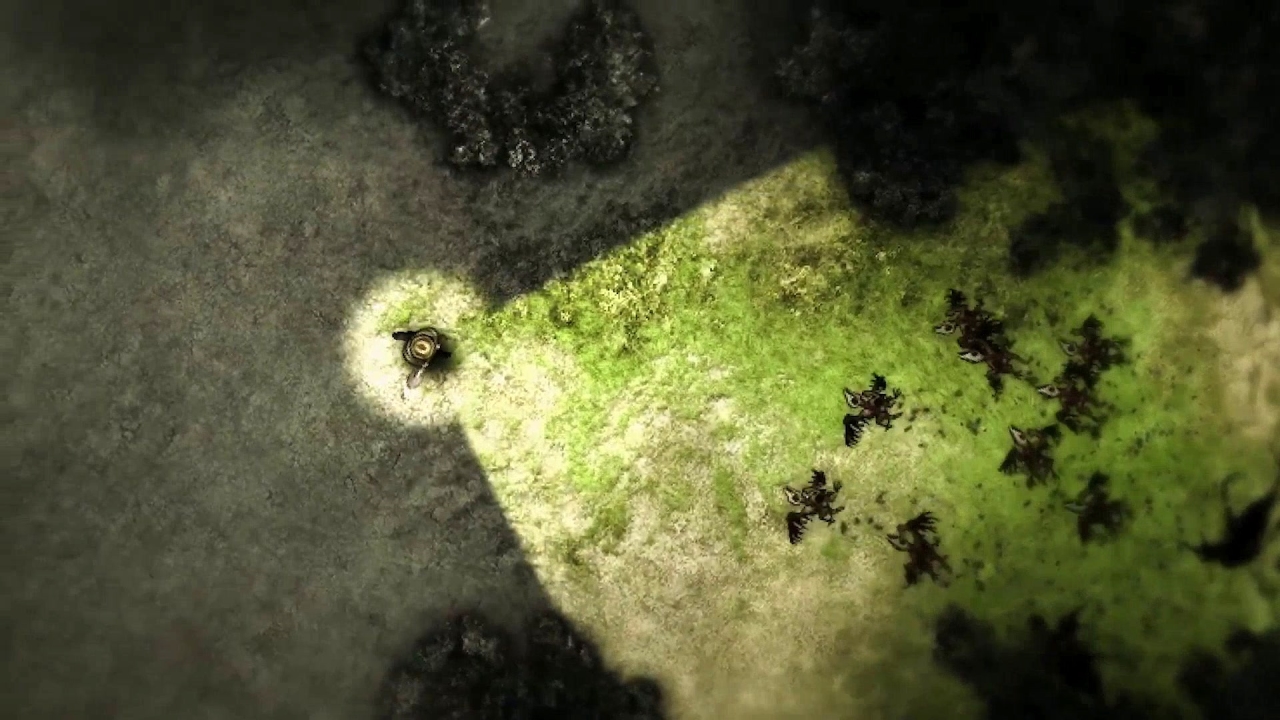
Darkwood’s art style is a unique blend of bleak and beautiful. The game employs a top-down perspective, which limits visibility and enhances the feeling of claustrophobia and vulnerability. This perspective choice forces players to rely on their instincts, heightening tension.
The color palette is intentionally muted, with dark tones and subdued hues that reflect the game’s ominous mood. Textures and shadows are skillfully used to obscure details, keeping players guessing about what’s hidden in the darkness.
Comparison of traditional horror games shows that Darkwood’s art style is more subtle, focusing on atmospheric dread rather than overt horror. This approach sets it apart, creating a world that feels both alien and familiar.
The Wikipedia entry on Darkwood highlights how its art style contributes to the game’s unsettling atmosphere, making it a standout title in the survival horror genre.
Immersive Sound Design
Sound design in Darkwood is a critical component of its immersive horror experience. The game uses ambient sounds and music to create an atmosphere that is both oppressive and captivating.
Players are enveloped in a world where every creak and rustle could signify a lurking threat. The soundtrack, composed of haunting melodies, underscores the game’s tension and amplifies the emotional impact.
Key insights into the effectiveness of Darkwood’s sound design include:
- Subtle audio cues: These guide players and heighten tension without revealing too much.
- Dynamic soundscapes: Audio changes based on player actions and environments, enhancing immersion.
- Psychological impact: The unpredictability of sounds reinforces the game’s horror elements.
This masterful sound design is a testament to Acid Wizard’s commitment to creating a deeply engaging horror experience, as detailed in reviews on platforms like Geeks Under Grace.

Choices Shaping Survival
In Darkwood, player choices significantly impact the narrative and survival outcomes. Every action, from dialogue options to resource allocation, contributes to the unfolding story and the character’s fate.
This choice-driven narrative demands careful consideration from players. Decisions are not always clear-cut, often presenting moral dilemmas that influence character relationships and plot development.
Key takeaways from the impact of choices include:
- Branching storylines: These offer multiple endings, encouraging replayability and exploration of different paths.
- Moral ambiguity: Players must navigate ethical decisions, adding depth to the gameplay experience.
- Consequences: Immediate and long-term effects of choices create a dynamic narrative landscape.
As discussed in a Vice article, the weight of player choices enhances the game’s psychological horror, as players grapple with the uncertainty of their decisions.
Crafting a Unique Game Narrative
Darkwood’s narrative is a complex tapestry woven from player interactions and environmental storytelling. The game eschews linear storytelling, opting instead for a non-linear approach that invites players to piece together the story through exploration and discovery.
Narrative techniques used in Darkwood include:
- Environmental storytelling: Clues and hints embedded in the game world encourage players to uncover the story organically.
- Mystery and intrigue: A cryptic narrative keeps players engaged, driving them to seek answers and unravel the game’s secrets.
- Player agency: High levels of interactivity ensure that the story feels personal and unique to each player.
This approach to storytelling, as highlighted in the Wikipedia article, sets Darkwood apart as a game that challenges players to engage with its narrative actively, enhancing the overall horror experience.
 Katie Marie Robinson-Sherlock
I’d love to hear what you think, please comment below.