
Winter’s chill brings more than just cold winds and snow. It ushers in a world of eerie tales that dance between the shadows of folklore. Imagine wandering the snowy paths of Iceland, where the Yule Cat prowls, or feeling the icy breath of Krampus in Central Europe. These scary winter legends have captivated cultures for generations, revealing how people interpret the bitter season. Ready to uncover the supernatural winter stories that make your skin crawl? Prepare to enter a realm where fear, survival, and the mysteries of winter intertwine.
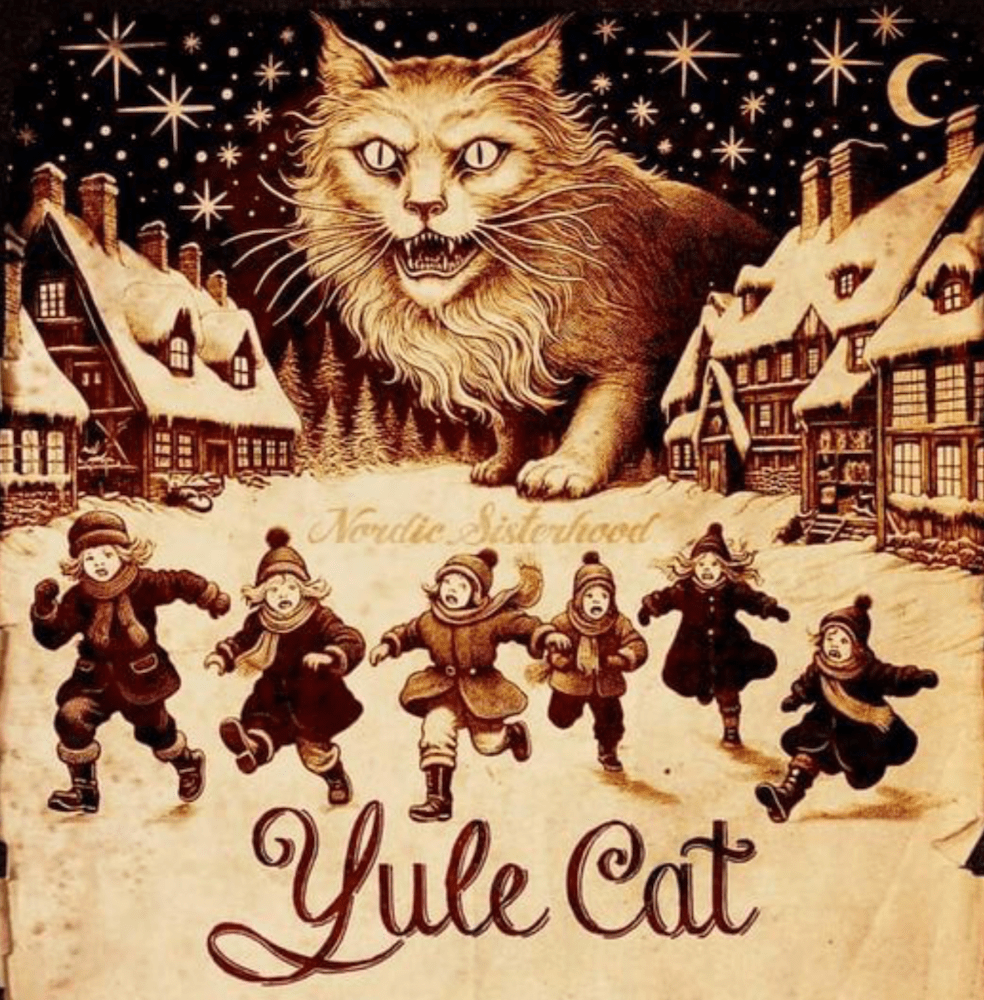
Yule Cat of Iceland
The Yule Cat, or Jólakötturinn, is a monstrous feline from Icelandic folklore that prowls the snowy landscape, searching for those who haven’t received new clothes before Christmas Eve. This tale serves as a reminder to finish your chores before the year’s end. According to Icelandic Christmas folklore, those who fail to complete their tasks are at risk of being devoured.
Interestingly, the Yule Cat is not just a fearsome beast but also a symbol of productivity. It encourages people to work hard and reward themselves and their families with new clothing. This notion ties into Icelandic traditions where wool production played a crucial economic role.
The Yule Cat legend also feeds into a broader narrative of reward versus punishment during the festive season. This character, though terrifying, ensures societal norms are upheld by incentivizing effort and diligence.
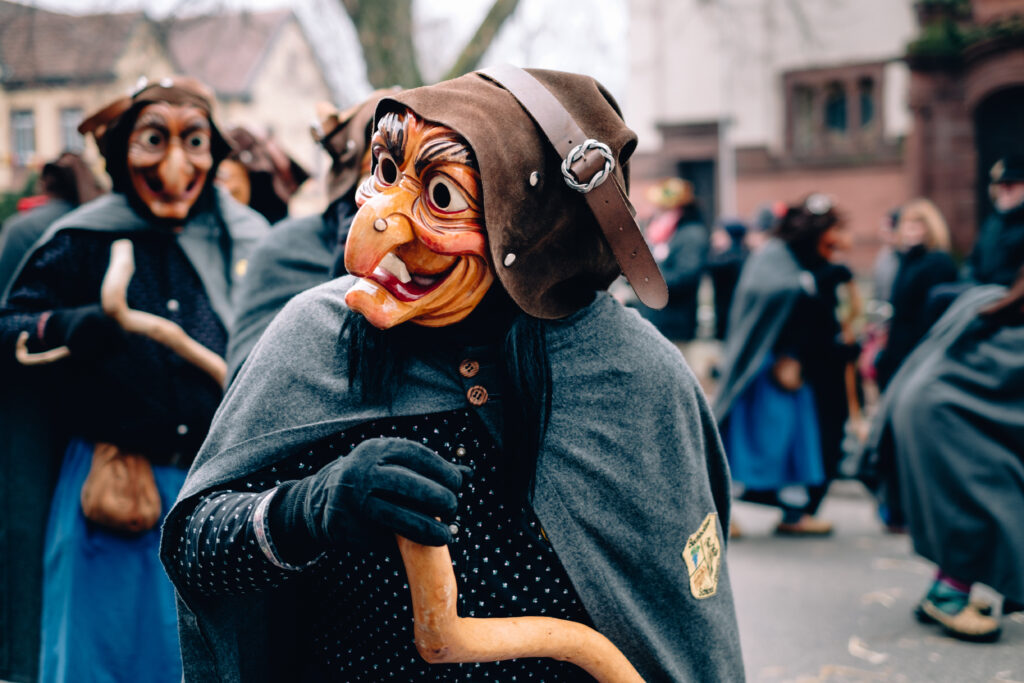
La Befana from Italy
In Italy, the winter season brings the legend of La Befana, a benevolent witch who visits children on the eve of Epiphany. This tale is not just about magical gifts but also reflects the blending of pagan and Christian traditions. La Befana’s story has a touch of warmth amidst the cold, as she delivers sweets to well-behaved children and coal to those who misbehave.
La Befana is a complex figure, often described as an old woman with a broomstick who travels the skies. Her origins are rooted in ancient Roman traditions, which were later incorporated into Christian celebrations. This confluence of beliefs illustrates how folklore adapts and evolves over time.
The legend of La Befana also offers a glimpse into Italy’s festive customs, highlighting the importance of family and generosity during winter. For a deeper dive into this enchanting figure, check out this article on Medium.

Krampus in Central Europe
One of the more terrifying figures of winter folklore is the Krampus, a horned creature said to punish naughty children across Central Europe. Unlike his jolly counterpart, Saint Nicholas, Krampus embodies the darker side of the holiday season. This legend has persisted for centuries, with each region adding its own twist to the terrifying tale.
Krampus is often depicted as a demon-like creature, complete with chains and bells, which he uses to frighten children. Though he serves as a cautionary figure, his presence is also a reminder of the duality of good and evil, a recurring theme in many folktales.
Krampus festivals, such as the famous Krampuslauf, provide a thrilling spectacle where people dress as this creature to parade through the streets. This event not only entertains but also reinforces community bonds. For more on Krampus, see this analysis.

Fear and Survival Stories
Fear and survival are central themes that run through many winter legends. These stories tap into the primal instincts that emerge when facing the dangers of nature. The harsh winter environment sets the stage for tales of endurance and resilience.
In many cultures, winter myths serve as cautionary tales, warning people of the perils that come with the cold. They often stress the importance of preparedness and resourcefulness, qualities essential for surviving the winter months. Through these legends, communities impart valuable life lessons to future generations.
Folklore like that of the Yule Cat and Krampus illustrates how fear can be used as a tool to enforce societal norms and encourage good behavior. These tales emphasize the delicate balance between fear and survival, portraying how humans navigate these challenges.
Nature’s Harshness in Folklore
Winter’s unforgiving nature is a backdrop for many folktales, reflecting the struggle between humanity and the elements. These stories often depict nature as both a nurturing and destructive force, highlighting the duality of the winter season.
Folklore serves as a reminder of humans’ vulnerability to the forces of nature. It underscores the need for respect and understanding of the environment. Through these stories, cultures express their relationship with nature, acknowledging its power to both sustain and threaten life.
In these tales, winter often symbolizes a period of reflection and transformation, urging individuals to adapt and persevere. This perspective is woven into the fabric of winter folklore, offering insights into the human condition and the enduring spirit of resilience.
 Katie Marie Robinson-Sherlock
I’d love to hear what you think, please comment below.