Most horror films drown in noise and chaos, but Hush flips the script by silencing its protagonist’s world. Below, I will show how non-verbal horror doesn’t just scare, it empowers by putting deaf representation in film front and centre. If you’re curious about how horror films with deaf characters can tell powerful stories without words, keep reading to see how silence becomes a force in disability in cinema.
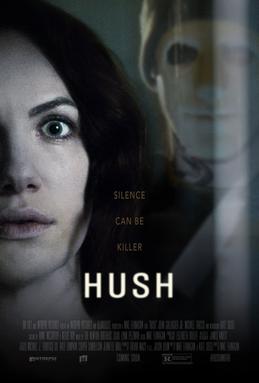
Deaf Protagonist in Horror
Imagine being in a world where sound is absent. Hush introduces you to Maddie, a deaf woman living in isolation. This twist offers a new layer of fear. Without the ability to hear her stalker, Maddie relies on her other senses. Her situation forces us to consider: How would you survive if sound was absent?
The movie flips the typical horror trope by highlighting Maddie’s strength. Her character isn’t portrayed as helpless. Instead, she becomes a symbol of resilience, using her environment creatively to outsmart her attacker. This article from film school rejects explores how the film brings disability into the spotlight.
Through Maddie, the audience experiences horror from a fresh vantage point. The tension builds not from what she hears, but from what she doesn’t. This lack of sound creates a heightened sense of vulnerability and anticipation, drawing you deeper into her world.
Non-Verbal Tension
In Hush, silence isn’t just a lack of sound; it’s a character in itself. The absence of dialogue and typical horror noises compels you to focus on visual cues. The rustling of leaves, the flicker of a shadow, and the creak of a floorboard become Maddie’s (and yours) primary source of information.
This approach crafts a unique tension. You become hyper-aware of every movement, every breath. The movie challenges the typical noisy horror scene, proving that silence can be more terrifying than screams. It makes you question: Can you trust your eyes when your ears are useless?
The film’s brilliance lies in these quiet moments. Each scene is a dance between what Maddie perceives and what she misses, making you root for her silent victory.
Silent Survival Strategies
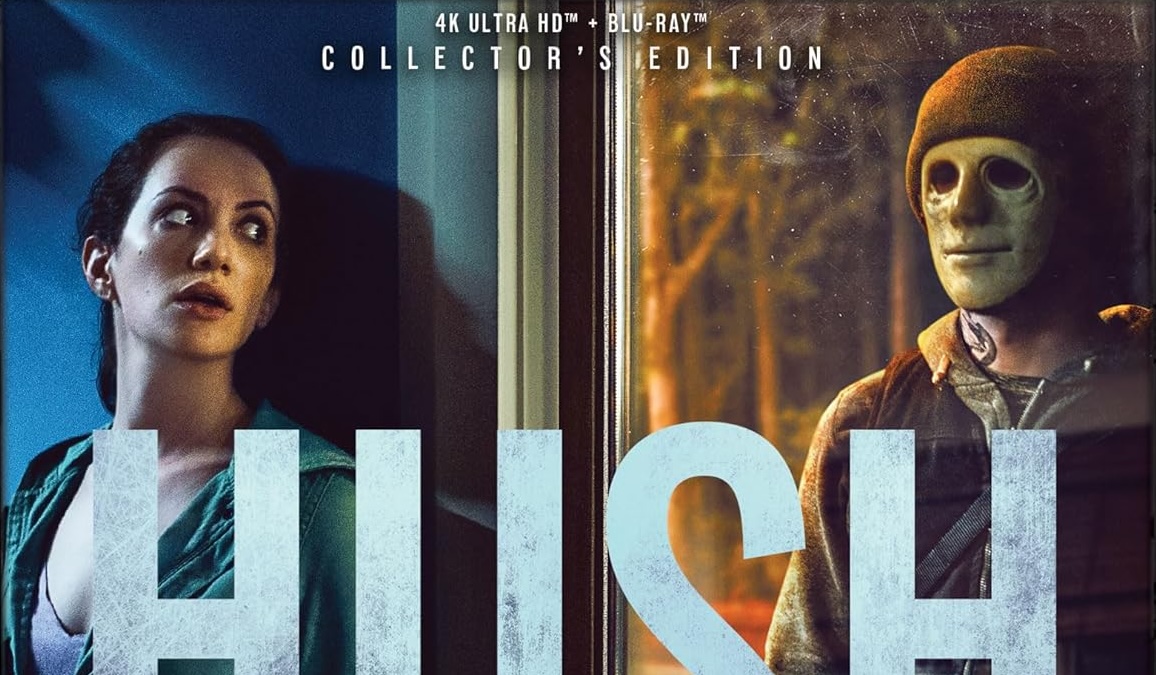
Maddie’s fight for survival is a masterclass in creativity. Her strategies are born from necessity, not desperation, showing how silence sharpens her instincts. She uses her home as a fortress, manipulating the space to her advantage.
This isn’t just a battle of wits; it’s an exploration of how silence can be a weapon. Maddie’s awareness of her surroundings becomes her superpower, transforming her into a formidable opponent. Her silent tactics challenge the notion that sound equates to strength.
As you watch, you can’t help but wonder how you’d adapt. Maddie’s journey is a testament to human resilience, inspiring viewers to reconsider their own limitations.
Strength in Visual Storytelling
Visual storytelling in horror is an art, and Hush excels at it. The film’s reliance on visuals over dialogue pulls you into Maddie’s world, making every glance and gesture significant. It forces you to engage more deeply, relying on sight as your primary sense.
This approach not only captivates but educates. It highlights the power of non-verbal communication, encouraging viewers to see beyond words. In a world dominated by noise, Hush reminds us of the beauty and strength found in silence.
The film’s visual mastery showcases how horror can be as much about what is unseen as what is seen. It invites you to appreciate the subtleties and nuances of storytelling without the crutch of sound.
Disability in Cinema
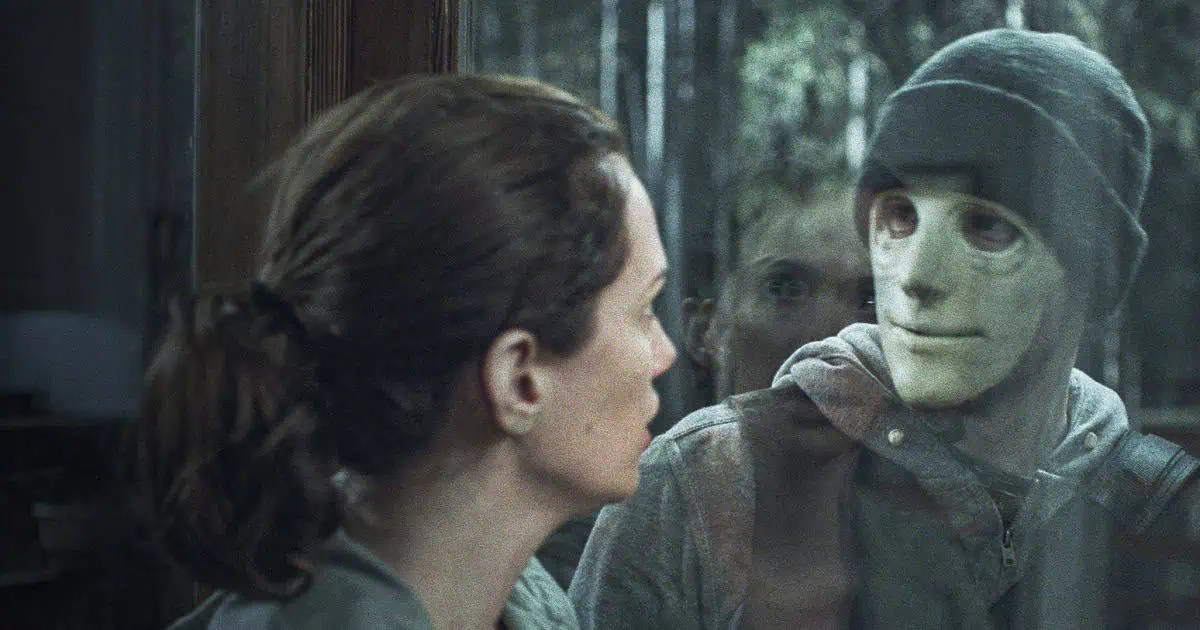
Disability in cinema often falls prey to clichés. Hush breaks this mold by portraying Maddie as capable and resourceful. Her deafness isn’t portrayed as a weakness but as a vital part of her identity.
The film’s success lies in its authentic portrayal. It respects Maddie’s experience, offering a genuine glimpse into her world. This authenticity resonates with audiences, both hearing and deaf, challenging preconceived notions about disability.
By showcasing a deaf protagonist who isn’t defined by her limitations, Hush opens the door for more inclusive storytelling. It’s a reminder that everyone deserves to see themselves represented on screen. For further exploration of this topic, check out this article.
Horror Films with Deaf Characters
Hush is part of a growing subgenre of horror films featuring deaf characters. These films offer fresh perspectives and challenge traditional horror norms. They add depth and complexity, proving that diversity enriches storytelling.
As more films explore these narratives, audiences are exposed to a wider range of experiences. This inclusion not only promotes understanding but enriches the genre with new themes and ideas. It’s an exciting time for horror, as films like Hush pave the way for more diverse voices.
In conclusion, Hush isn’t just a film, it’s a movement. It shows that silence can be powerful, that horror can be inclusive, and that representation matters. The longer you wait to explore these themes, the more you’re missing out on a richer cinematic experience.Most horror films drown in noise and chaos, but Hush flips the script by silencing its protagonist’s world. This Hush movie analysis reveals how non-verbal horror doesn’t just scare, it empowers by putting deaf representation in film front and center. If you’re curious about how horror films with deaf characters can tell powerful stories without words, keep reading to see how silence becomes a force in disability in cinema.
 Katie Marie Robinson-Sherlock
I’d love to hear what you think, please comment below.