
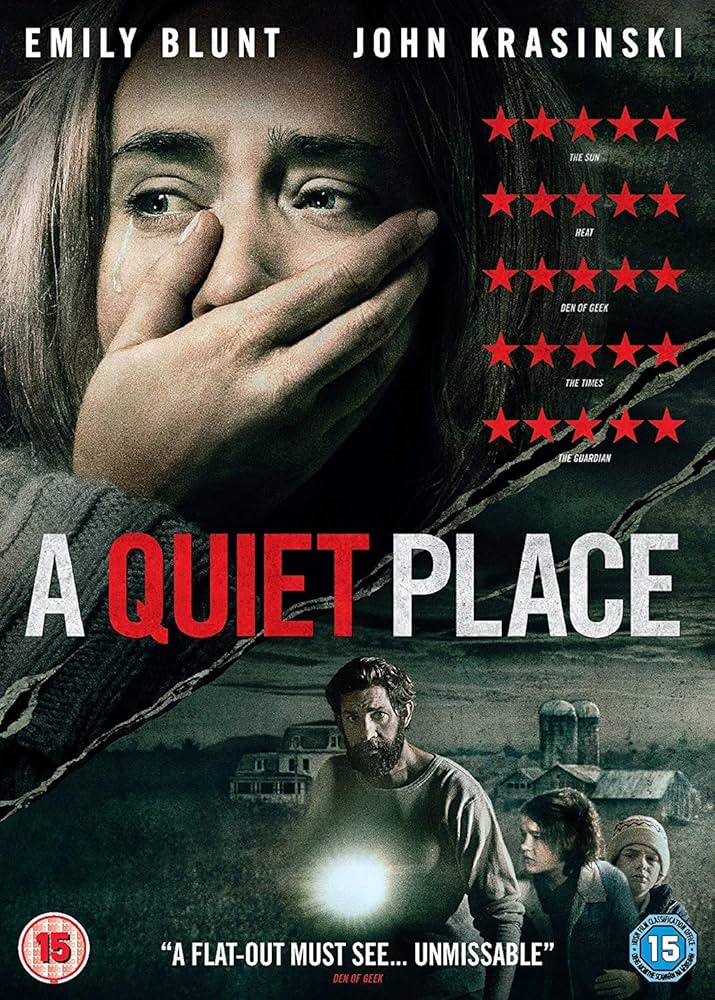
Most people remember A Quiet Place as a silent thriller, but the story’s heart beats louder in the screenplay. The film shifts focus to the deaf character’s agency, weaving ASL and silence into a unique form of sensory horror. Below, I will run through how these choices reshape representation in media and deepen the impact of film adaptations. You’ll see why this approach changes everything about the story you thought you knew.
Deaf Character in Focus
Imagine a world where silence is your shield. The film introduces you to Regan, a deaf character whose strength and resilience are central to the narrative. Unlike many portrayals, her deafness isn’t a limitation but a unique strength. Regan’s perspective shows you how silence can be both a friend and foe.
This focus on Regan isn’t merely a narrative choice; it’s a statement on empowering characters with disabilities. By presenting her as a pivotal figure, the film challenges the norm, giving you fresh eyes on what it means to be deaf in a world where sound equals danger.
Agency Through ASL
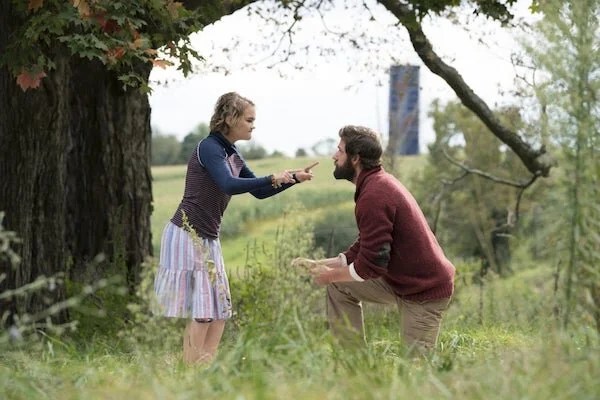
In A Quiet Place, communication is key. American Sign Language (ASL) becomes a lifeline, bridging gaps between terror and safety. It’s more than just hand movements; it’s a powerful tool of agency for Regan and her family.
ASL in the story isn’t just functional; it adds layers to the narrative. As you watch, it becomes clear how ASL empowers Regan, allowing her to assert her voice in a world that demands silence. This portrayal highlights the importance of authentic representation and shows how ASL enhances narrative depth. If you’re looking for more on how ASL impacts the film’s emotional tone, this review from T. Frohock offers great insights.
Silence as a Tool
Silence isn’t just absence; it’s a character in itself. In A Quiet Place, silence shapes every decision. It lures you into a heightened state of awareness, making each sound a potential threat. The film teaches you to listen closely, turning quiet moments into suspenseful scenes.
This technique shifts the usual horror dynamics, offering a fresh thrill. Silence forces you to focus on what’s unseen, enhancing the eerie atmosphere. Unlike traditional horror where noise signals danger, here, silence breeds unease. The longer you wait, the more intense the suspense becomes.
Visual and Auditory Tension
A Quiet Place excels in using both visual and auditory elements to craft tension. The film’s visual storytelling is rich, using shadows and light to play with your perceptions. Each frame is a puzzle, urging you to piece together the story without uttering a word.
Auditory cues are sparing yet significant. When sounds break the silence, they amplify the horror, making every noise a potential trigger for disaster. This clever use of sound and silence keeps you on edge, a testament to the film’s unique approach to horror. For a deeper dive into how these techniques work, this analysis from patient worthy is worth a read.

The Narrative
The screenplay carves a unique path, focusing on emotional depth and character-driven plots. The screenplay’s strength lies in its simplicity, stripping away noise to let the story’s core shine.
The narrative choices highlight the power of silence and the human capacity to adapt. By zeroing in on Regan, the screenplay presents a fresh angle on the story you thought you knew. This approach not only enriches the film but also deepens its impact, making you question traditional storytelling norms.
The film transforms written words into a visual feast, drawing you into its quiet yet intense world. These choices are not just cosmetic. They reshape how you perceive the characters, especially Regan. The film brings her journey to the forefront, offering a bold statement on representation. If you’re curious about how these adaptations affect the portrayal of disability, this article from MT & Associates provides valuable perspectives.
A Quiet Place serves as a powerful example of how film can redefine narratives. By focusing on the deaf character’s agency and using sensory horror, it sets a new standard for representation in media. Whether you’re a fan of the film or not, there’s no denying the unique impact of this story.
 Katie Marie Robinson-Sherlock
I’d love to hear what you think, please comment below.