Forget everything you think you know about identity in film. Tetsuo: The Iron Man turns your body into a battleground where flesh and metal collide in shocking ways. This 1989 cult classic blends prosthetics in film with intense body horror to explore cybernetic integration like no other science fiction film. Stick around to see how body modification twists identity transformation into something unforgettable.
The fusion of flesh and metal in Tetsuo: The Iron Man isn’t just a spectacle; it’s a profound exploration of identity. How does this science fiction film use prosthetics to challenge what we know about being human?
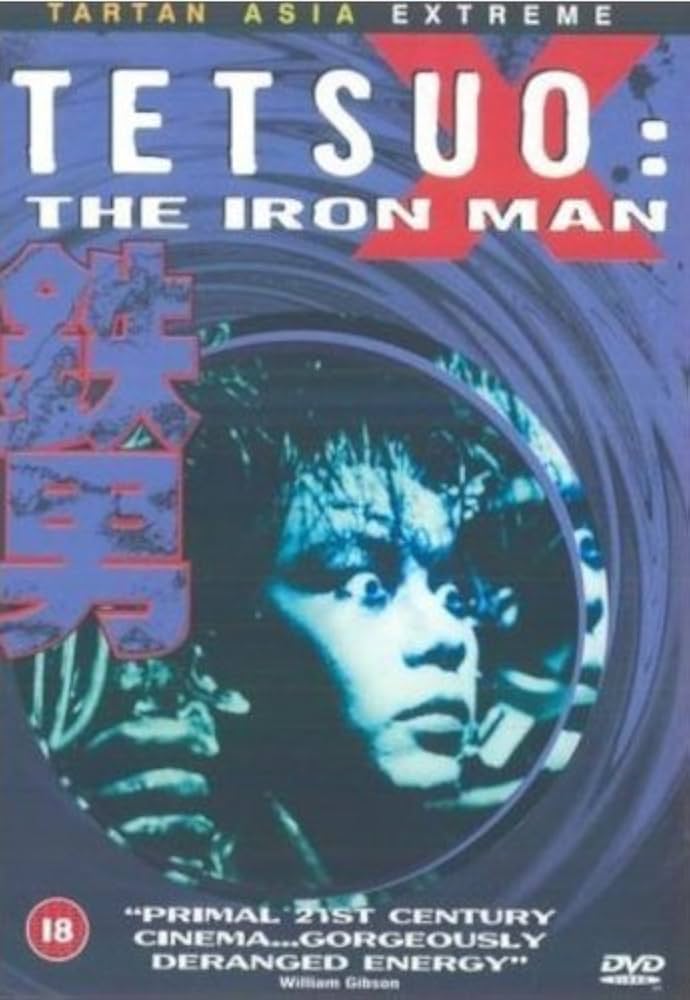
Prosthetics in Film and Identity
In Tetsuo, prosthetics aren’t merely costume pieces. They’re the story’s heart, reflecting the tension between humanity and machinery. Imagine waking up one day to find a drill where your arm used to be. This film dives into that terror, making you question identity itself.
The film uses prosthetics to blur the line between man and machine. Each metal piece isn’t just an addition; it’s a transformation. The characters become something new, something that defies the natural order. This challenges us to reconsider how much of our identity is tied to our physical form.
By turning bodies into canvases of metal and flesh, the movie forces you to confront your fears of losing control. The thought of prosthetics altering identity is unsettling. Yet, it captivates, drawing you deeper into the chilling world of Tetsuo.
Cybernetic Integration and Self
Cybernetic integration isn’t just a theme in Tetsuo; it’s a reality for the characters. Their journey into becoming part-machine tests their sense of self. What if every metal part added to your body took you further from who you used to be?
As the characters morph, their struggle isn’t just physical but deeply psychological. They face a battle within, questioning where the machine ends and the self begins. This integration brings a paradox: increased power comes at the cost of identity.
The film shows that each cybernetic piece isn’t just a tool but a part of a new identity. The characters must grapple with losing themselves to these enhancements. It’s a haunting reflection on how technology impacts who we are, pushing you to ponder, could this be our future?
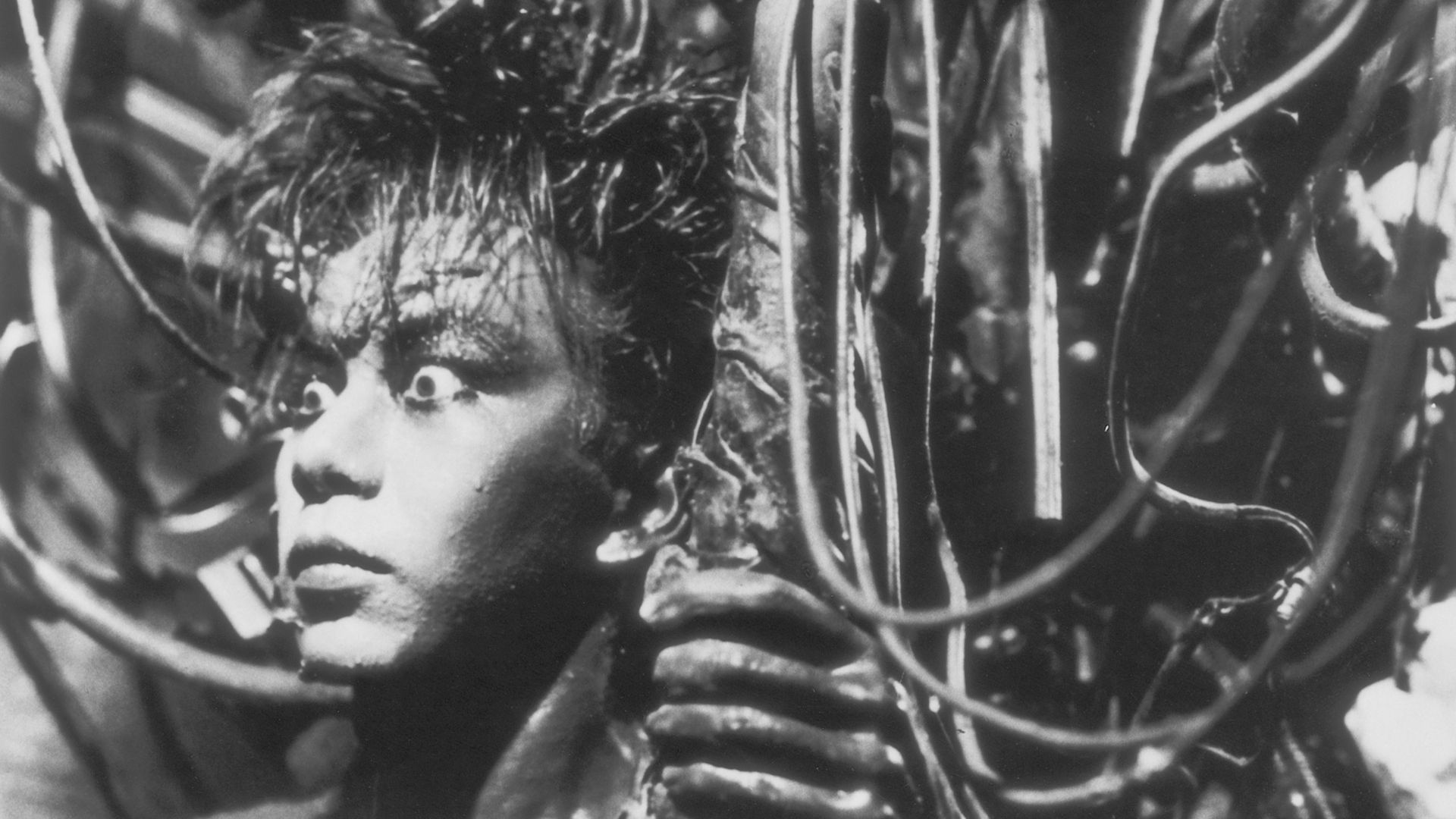
Body Horror and 1989 Cult Classic
Tetsuo isn’t your average horror film. It’s a cult classic that uses body horror to explore the terrifying potential of transformation. By focusing on the grotesque fusion of flesh and metal, it delivers a jarring experience.
The film pulls you into a world where body parts become unrecognizable, forcing you to confront your fears of the unknown. Each scene is crafted to make you uncomfortable, yet you can’t look away. This is the power of body horror in Tetsuo.
By using disturbing visuals, the film succeeds in unsettling viewers, making it a hallmark of the genre. It challenges the notion that horror is about scares, proving it’s also a vehicle for exploring deeper themes like identity and change.
Identity Transformation through Body Modification
In Tetsuo, body modification isn’t just a change—it’s a transformation of identity. How much of who we are is tied to our physical form? The film explores this by turning characters into something beyond human.
Each modification brings the characters closer to becoming machines. This transformation raises questions about where identity truly lies. Is it in the mind, the body, or somewhere else entirely? By transforming with metal, they lose parts of themselves, making you question the cost of change.
The film suggests that transformation is inevitable, but at what price? It prompts you to consider if the loss of humanity is worth the gain in power. This dichotomy is at the heart of Tetsuo’s narrative, leaving a lasting impact on the viewer.
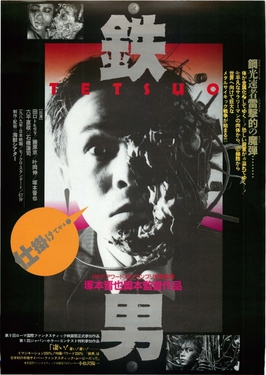
Science Fiction Film and Identity Crisis
Tetsuo is more than a science fiction film; it’s a narrative about identity in crisis. As characters merge with technology, they face a profound dilemma: who am I becoming? This question echoes throughout the film.
The crisis isn’t just external but internal. As the characters change, they struggle with the loss of self. It’s a reminder of how technology can redefine us, often in ways we can’t control. This internal battle is the film’s core, engaging viewers with its depth.
By tapping into the fear of losing identity, Tetsuo resonates with anyone who’s felt out of place in an ever-changing world. It’s a timeless message about the human condition in the face of technological advancement.
The Role of Prosthetics in Identity
Prosthetics in Tetsuo aren’t just physical additions. They’re symbols of transformation and identity. Each piece challenges what it means to be human, pushing characters to redefine who they are.
The film uses these elements to explore how our bodies impact our sense of self. As each character embraces their modifications, they confront the reality that identity is fluid. This fluidity is both liberating and terrifying.
By engaging with these themes, Tetsuo offers a unique take on the role of prosthetics in identity. It’s a chilling reminder that change is inevitable, but it’s up to us to decide how it shapes us. This insight invites you to reflect on your journey and the transformations you face.
As we navigate an increasingly technological world, Tetsuo serves as a cautionary tale about the potential cost of progress. Through its unsettling narrative, it challenges viewers to consider the delicate balance between advancement and identity.
 Katie Marie Robinson-Sherlock
I’d love to hear what you think, please comment below.