
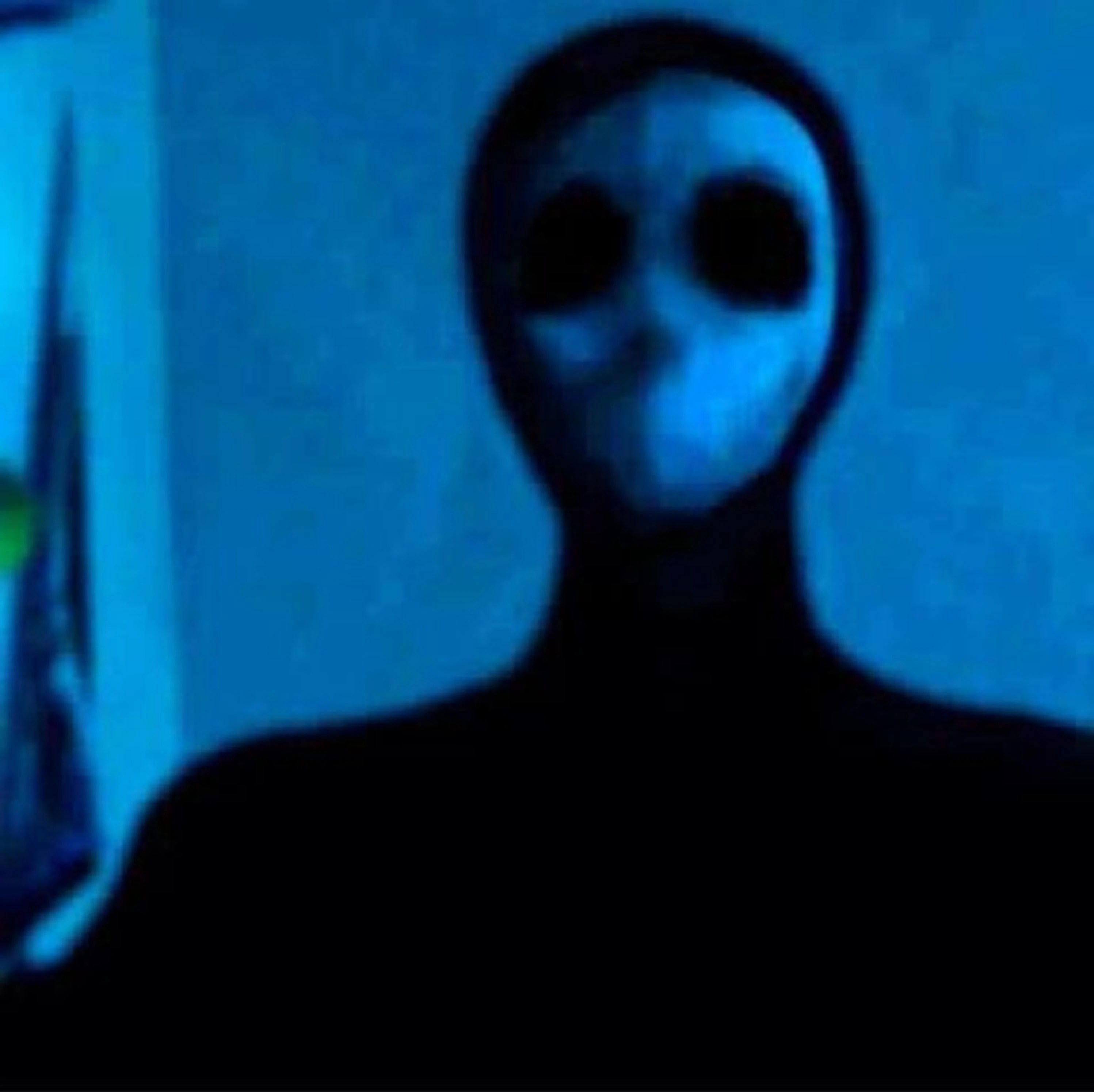
Forget everything you think you know about Eyeless Jack. This Creepypasta character isn’t just a scary figure, he carries layers of neurodivergent coding that reveal deeper fears about autism. When horror turns traits like silence and intense focus into something monstrous, it reflects real societal anxieties and the misrepresentation of difference. Keep reading to see how Eyeless Jack mirrors the isolation faced by many and what that says about our culture’s view of the “other.” [https://creepypastatoo.fandom.com/wiki/Eyeless_Jack_Rewrite]
Silence as a Monstrous Trait
Many people fear silence, associating it with the unknown. Eyeless Jack embodies this fear, turning a simple trait into something chilling. This mirrors how quiet individuals, particularly those with autism, are often misunderstood. They’re seen as mysterious, sometimes even intimidating, simply because they don’t conform to societal norms. This misinterpretation fuels the belief that silence hides something sinister.
In horror, silence can become a powerful tool. By making it a defining trait of a monster, stories like Creepypasta amplify our discomfort with what we don’t understand. It’s a reminder that society often turns difference into something to fear. Eyeless Jack’s quietness isn’t just part of his character; it’s a reflection of how we view those who communicate differently.
Intense Focus and Neurodivergent Coding
Intense focus can be a double-edged sword. It can lead to success or, in horror, become a dangerous obsession. Eyeless Jack’s focus mirrors traits often found in neurodivergent individuals, especially those with autism.
This character’s fixation is portrayed as terrifying, reinforcing stereotypes about intense focus being unnatural. Yet, many with neurodivergent coding thrive due to their ability to concentrate deeply. In Eyeless Jack’s world, however, this focus is twisted into something menacing, highlighting societal fears about those who don’t fit the typical mold.
Horror and Autism: A Cultural Lens
Horror often amplifies cultural fears, and autism is no exception. Many narratives portray neurodivergent individuals as isolated and misunderstood. This reflects real-world anxieties about autism and other forms of difference.
In horror, these traits are exaggerated, turning unique characteristics into frightening anomalies. This reinforces negative perceptions, making it harder for those with autism to be seen in a positive light. Eyeless Jack’s story becomes a lens through which we can examine these cultural fears, helping us understand the roots of our discomfort with difference.
Misrepresentation of Autism in Creepypasta
Creepypasta stories often exaggerate traits for effect, leading to the misrepresentation of autism. Characters like Eyeless Jack embody these misconceptions, turning real traits into fictional horror elements.
This misrepresentation contributes to a broader misunderstanding of autism. Many people come to see these exaggerated traits as the norm, leading to misconceptions and stigma. By portraying neurodivergent characteristics as monstrous, Creepypasta narratives can perpetuate harmful stereotypes.
Monstrous Representation of Difference
When difference becomes monstrous, it highlights our fear of what we don’t understand. In horror stories, characters who deviate from the norm are often seen as threats. This mirrors real-world anxieties about those who are different, reinforcing stereotypes and fears.
Eyeless Jack, with his unique traits, personifies this fear. His story shows how society can turn difference into something to be wary of. By understanding these narratives, we can begin to challenge our perceptions and reduce the stigma around neurodivergence.
Eyeless Jack as a Reflection of Isolation
Isolation is a powerful theme in Eyeless Jack’s story. It reflects the loneliness many neurodivergent individuals experience. Society often pushes them to the fringes, leading to feelings of alienation.
Eyeless Jack’s character highlights this struggle, showing the impact of being misunderstood and feared. By examining these narratives, we can better understand the importance of inclusion and acceptance. The longer we wait to challenge these perceptions, the more entrenched they become. Let’s use these stories as a catalyst for change, embracing difference rather than fearing it.
 Katie Marie Robinson-Sherlock
I’d love to hear what you think, please comment below.