
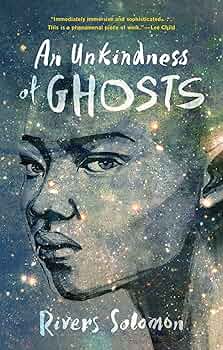
Forget everything you know about horror literature. In Rivers Solomon’s An Unkindness of Ghosts, the story unfolds on a generation ship where structural oppression shapes every moment. Your next favorite character, Aster, challenges that system with a fierce sense of agency rarely seen in speculative fiction. This An Unkindness of Ghosts review will break down how Aster’s embodied difference drives the narrative and redefines power within the genre.
Examining Aster’s Character Analysis
Aster stands out with a depth that pulls readers into her journey. She’s not just a passenger on the ship; she’s a force of nature, challenging norms and redefining strength. Her actions speak volumes. When most people think survival means compliance, Aster defies this with her own brand of courage. Her quest to uncover secrets propels her narrative and keeps you hooked. Here’s the key insight: Aster’s resilience isn’t just about surviving—it’s about thriving in adversity.
Through her lens, you see the stark realities of life on the ship. Each encounter illuminates the broader implications of her world, making you question your assumptions. Aster’s brilliance lies in her ability to navigate this complex setting with determination. Every choice she makes leaves a mark on the reader, blending personal struggle with universal themes.
Navigating Structural Oppression on the Ship
The generation ship is more than just a backdrop; it’s a living, breathing entity where oppression is woven into every crevice. Aster’s journey reveals the harsh truths of this society. Through her eyes, you witness a world where freedom is a distant memory, and control is absolute.
Aster’s navigation through this oppressive environment highlights her strength. She finds ways to resist and challenge the status quo. Her actions aren’t just rebellion—they’re a statement of hope. Most people think oppression silences, but Aster shows that it can ignite a spark. Her story is a testament to the power of resilience in the face of systemic barriers.
Her interactions with others on the ship bring to light the nuances of survival under such conditions. The layers of control are peeled back, revealing the fragile balance of power. Aster’s journey is a mirror of societal structures, prompting you to question the systems around you.

Agency in Horror: Aster’s Journey
Aster’s agency in horror is a key element of her story. She confronts fear not by avoidance but by facing it head-on. Her journey is a testament to the strength found in vulnerability. When fear is a constant companion, courage becomes a necessity.
Most people think horror is about monsters, but Aster’s story shows it’s often about the human experience. The real monsters are the systems that seek to control and oppress. Aster’s battle against these forces is a powerful narrative of agency. Her story reminds you that even in the darkest places, you have the power to fight back.
Her resilience is a light in the darkness of the ship. Through her actions, she reclaims her narrative, transforming fear into a tool for change. Aster’s journey is a gripping tale of empowerment in the face of horror.
The Intricacies of Horror Literature
Horror in An Unkindness of Ghosts goes beyond traditional scares. It’s the horror of existence under oppressive regimes. Solomon crafts a narrative where fear is both a tool and a weapon, revealing the depths of human resilience.
The intricacies of horror literature are on full display in this novel. Rivers Solomon uses horror to explore themes of identity, control, and freedom. Each page reveals a new layer of terror intertwined with hope. You’re drawn into a world where the line between fear and courage blurs.
Through Aster’s eyes, you see the true horror of her world. It’s a horror that challenges your perceptions and invites you to explore the darker corners of human nature. This exploration is both unsettling and enlightening, leaving you with a deeper understanding of the genre.

Speculative Fiction and Social Commentary
Speculative fiction offers a unique lens for examining social issues. An Unkindness of Ghosts uses its setting to delve into themes of oppression and resistance. Aster’s journey is a microcosm of greater societal struggles, showcasing the power of speculative fiction to comment on real-world issues.
The story’s social commentary is woven seamlessly into its narrative. Through Aster’s experiences, you’re invited to question the structures that govern our own world. Her journey is a reflection of historical and ongoing struggles for freedom and justice. It’s a reminder that speculative fiction isn’t just about escaping reality—it’s about confronting it.
Aster’s story is a powerful example of how speculative fiction can challenge assumptions and inspire change. Her journey is a call to action, urging you to examine the world around you with a critical eye.
Generational Struggles on the Generation Ship
The generation ship is a microcosm of societal dynamics. Aster’s story highlights generational struggles that mirror our own. On the ship, each generation inherits the burdens of those before them, creating a cycle of oppression and resistance.
Aster’s journey reveals the impact of these struggles on individuals. Her story is one of resilience and hope, offering a glimpse into the potential for change. Most people think change is slow, but Aster shows it’s possible, even in the most oppressive environments.
Her interactions with other characters highlight the intergenerational impact of oppression. The weight of history is palpable, yet Aster’s actions offer a glimmer of hope. Her story is a reminder that even in the darkest times, you have the power to break the cycle and forge a new path.
Aster’s journey in An Unkindness of Ghosts is a captivating exploration of resilience, identity, and the power of narrative. Through her story, Rivers Solomon invites you to confront the darkest aspects of humanity and find hope in the struggle for justice.
 Katie Marie Robinson-Sherlock
I’d love to hear what you think, please comment below.