
Forget everything you think you know about found footage horror. In “The Taking of Deborah Logan,” memory loss isn’t just a symptom; it’s a weapon that twists fear and reality. This film forces you to confront how horror taps into ageism and cognitive disability, challenging the way these themes appear on screen. Keep reading to see how it reshapes your view of memory loss in horror.
“The Taking of Deborah Logan” opens a new chapter in horror. It’s not just another found footage flick. This film takes memory loss, a real, tangible fear, and turns it into a tool for terror. But how does it achieve this?
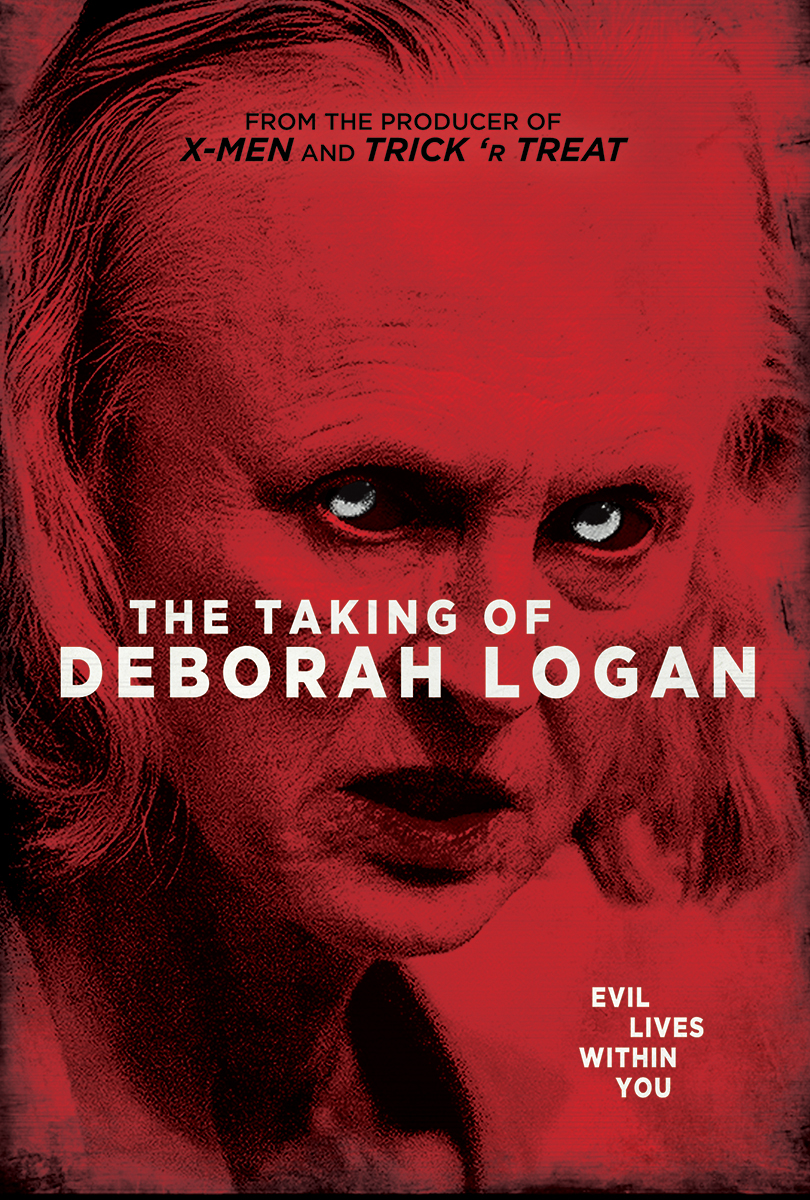
Analyzing “The Taking of Deborah Logan”
Your journey into the film reveals layers of fear built around cognitive decline. The story starts with a documentary crew filming Deborah, an older woman battling Alzheimer’s. As her memory fades, strange events unfold. Is it her illness, or is something darker at play? This ambiguity keeps you on the edge, questioning each scene.
The movie uses Deborah’s condition to blur the lines between reality and supernatural. Her lapses in memory become moments of horror. You feel her confusion and fear. This approach hooks you by making mental decline an active part of the horror narrative. Read a detailed review from the movie buff.net.
Memory Loss in Horror Films
Memory loss in horror isn’t new. But how often do films truly explore its depth? “The Taking of Deborah Logan” sets itself apart by making memory loss central to its story. It’s not a backdrop; it drives the fear.
Consider how you might feel losing your grasp on reality. Scary, right? This film taps into that primal fear. As Deborah loses her memories, you’re left wondering what’s real. It’s a powerful tool, making you question everything you see.
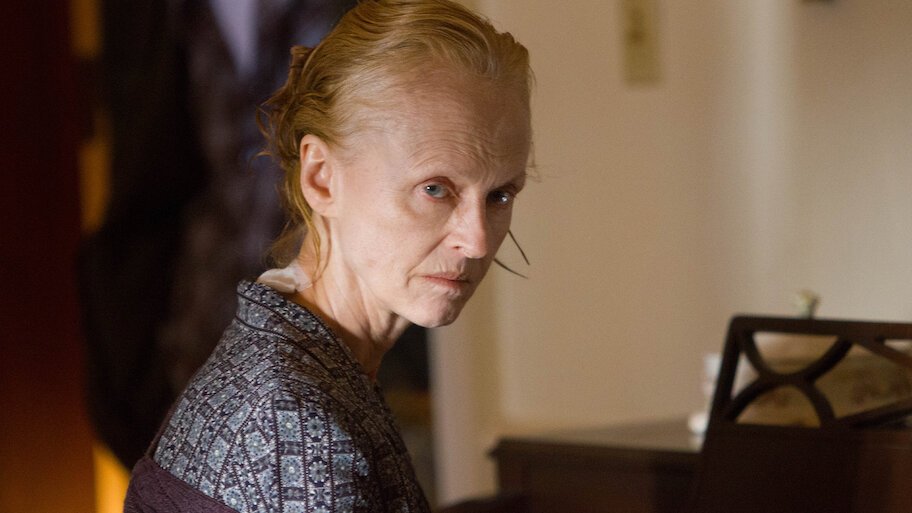
Representations in Found Footage Horror
Found footage horror often relies on shaky cameras and jump scares. But “The Taking of Deborah Logan” uses its format to enhance the story of cognitive decline. The raw, unfiltered footage mirrors Deborah’s chaotic mind, drawing you into her world.
This approach breaks from tradition. Most found footage films focus on external threats. Here, the threat is internal, personal. You see the world through Deborah’s eyes, feeling her confusion and fear. This shift offers a fresh take on horror that stays with you long after the credits roll.
 Katie Marie Robinson-Sherlock
I’d love to hear what you think, please comment below.