
Forget the usual haunted house scares “Session 9” uses a crumbling asylum to stir a deeper kind of horror. You’ll feel the weight of psychological trauma shaped by years of institutional neglect and personal pain. This review peels back the layers of asylum horror to reveal how the film tackles mental illness stigma and the fear of madness lurking beneath its eerie atmosphere. Stick around to see how these shadows reflect real-life struggles and demand a closer look at psychiatric practices.
The Asylum as a Fear Space
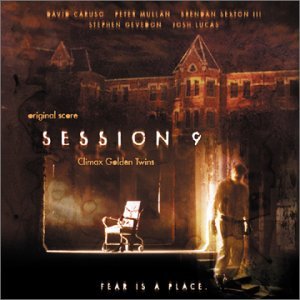
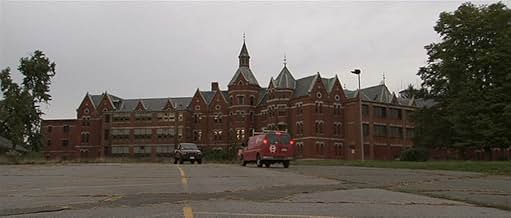
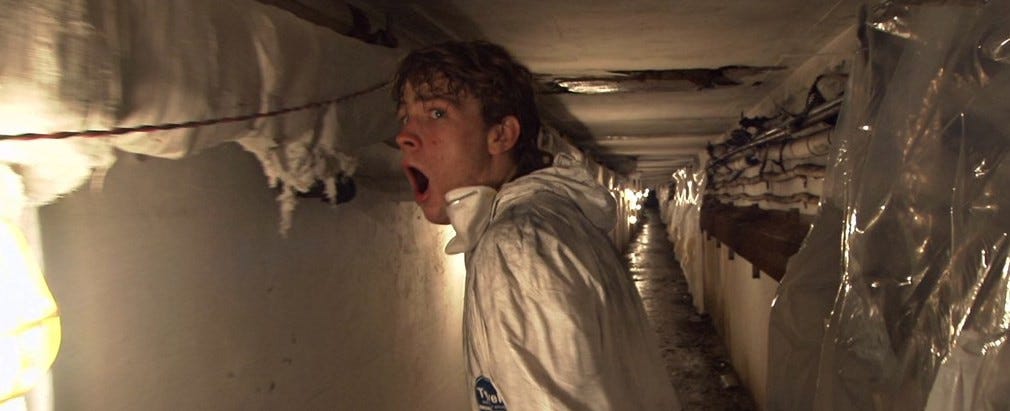
An abandoned asylum serves as the backdrop for “Session 9,” a classic example of a fear-inducing space. Walking through its decaying halls, you quickly sense how the building itself becomes a character. This is not just any building; it’s a repository of past suffering. The eerie silence of empty rooms amplifies the whispers of its dark history. Asbestos removal workers, tasked with clearing the space, come face-to-face with their own fears. The asylum’s oppressive atmosphere mirrors their internal struggles, blending the physical and psychological into a haunting tapestry. This setting forces viewers to confront their own anxieties about mental illness and the places we associate with it.
Psychological Scars in Cinematic Form
“Session 9” expertly portrays trauma through its characters. Each worker brings personal baggage, and the asylum magnifies these inner demons. The film captures how unresolved issues fester, much like the building’s decaying walls. One character’s descent into madness is particularly striking. His unraveling is depicted with chilling realism, highlighting how pressure and fear can break even the strongest minds. The film illustrates that trauma is not a distant concept but a tangible force impacting everyday lives. This portrayal resonates with anyone who has faced their own psychological battles, offering a mirror to reality’s complexities.
Chilling Atmosphere and Events
The film’s atmosphere is its most potent weapon. Shadows creep along walls, and every creak or whisper sets your heart racing. Events unfold with a slow, deliberate tension that keeps you on edge. It’s not about jump scares but a deep, unsettling dread. As the plot progresses, the line between reality and hallucination blurs. Moments of apparent calm are shattered by flashes of terror, leaving you questioning what is real. This perpetual uncertainty draws viewers into the characters’ shoes, making the horror feel personal and immediate. “Session 9” invites you to question your own perceptions of fear and sanity.
Stigmatization of Mental Illness
Mental illness has long been stigmatized, a theme “Session 9” tackles head-on. The asylum is a symbol of this stigma, its walls echoing with societal judgment. Characters in the film grapple with their own biases, reflecting broader societal attitudes. By portraying mental illness as a central theme, the film challenges viewers to reconsider their own perceptions. It suggests that fear often stems from misunderstanding, a powerful reminder that knowledge can dispel ignorance. This narrative invites a deeper examination of how we view and treat those with mental health issues today.
Institutional Neglect and Its Impact
“Session 9” lays bare the consequences of neglect in mental health care. The asylum, once a place of treatment, now stands as a monument to failure. Its dilapidation mirrors the neglect many patients experience. The film highlights that neglect isn’t just physical but emotional, leaving lasting scars on those affected. By showcasing the asylum’s decay, “Session 9” underscores the need for compassionate care. It’s a stark reminder that institutions meant to heal can also harm if not properly managed. This message resonates in today’s discussions about mental health reform.
Fear of Madness in Society
Fear of madness permeates “Session 9,” reflecting society’s broader anxieties. Characters’ fear of losing control mirrors common societal fears about mental illness. This fear is often rooted in misconceptions and lack of understanding. The film challenges viewers to confront these fears, suggesting that they are often more about ourselves than those we fear. By humanizing its characters, “Session 9” dismantles the notion that madness is something to be feared. Instead, it calls for empathy and understanding, encouraging a shift in how we perceive mental health.
Narrative as a Reflection of Fear
The story of “Session 9” is a mirror to our deepest fears. It explores how fear is constructed and perpetuated, both in society and within us. The film uses its plot to dissect what frightens us most, often revealing that our fears are grounded in reality. By doing so, it transforms horror from mere entertainment into a vehicle for introspection. This reflective approach sets “Session 9” apart, marking it as a thoughtful piece within the genre. It’s a reminder that horror can provoke thought, not just fear.
Implications for Mental Health Understanding
“Session 9” extends its horror narrative to comment on mental health understanding. It suggests that fear often arises from what we do not comprehend. By depicting mental illness with nuance, the film calls for greater awareness and empathy. This portrayal aligns with modern calls for better mental health education and support. As viewers, we are prompted to consider how our perceptions impact those around us. The film’s message is clear: understanding is key to overcoming fear.
Need for Empathy and Reform in Care
The film’s closing message is one of empathy and reform. It highlights the urgent need for compassionate mental health care. By showing the asylum’s failures, “Session 9” advocates for change in how we treat mental illness. This call to action is timely, reflecting ongoing discussions about mental health reform. It suggests that empathy, not fear, should guide our approaches to care. This final takeaway leaves a lasting impression, urging viewers to consider their role in shaping a more understanding and supportive society.
 Katie Marie Robinson-Sherlock
I’d love to hear what you think, please comment below.