Accessibility remains a widespread issue across the gaming industry, particularly within the horror genre. While many games have improved features for motor, cognitive, and hearing accessibility, players with visual impairments are still too often left in the dark. In this blog, we’ll use Alan Wake 2’s Anniversary Update as a case study, it introduces several welcome accessibility improvements. Still, it lacks essential tools like screen readers and high-contrast modes. Through this example, we’ll explore the broader state of disability access in horror games and why achieving full inclusivity can’t wait. For more insights, visit this article on can I play that.com.

Alan Wake Accessibility Features
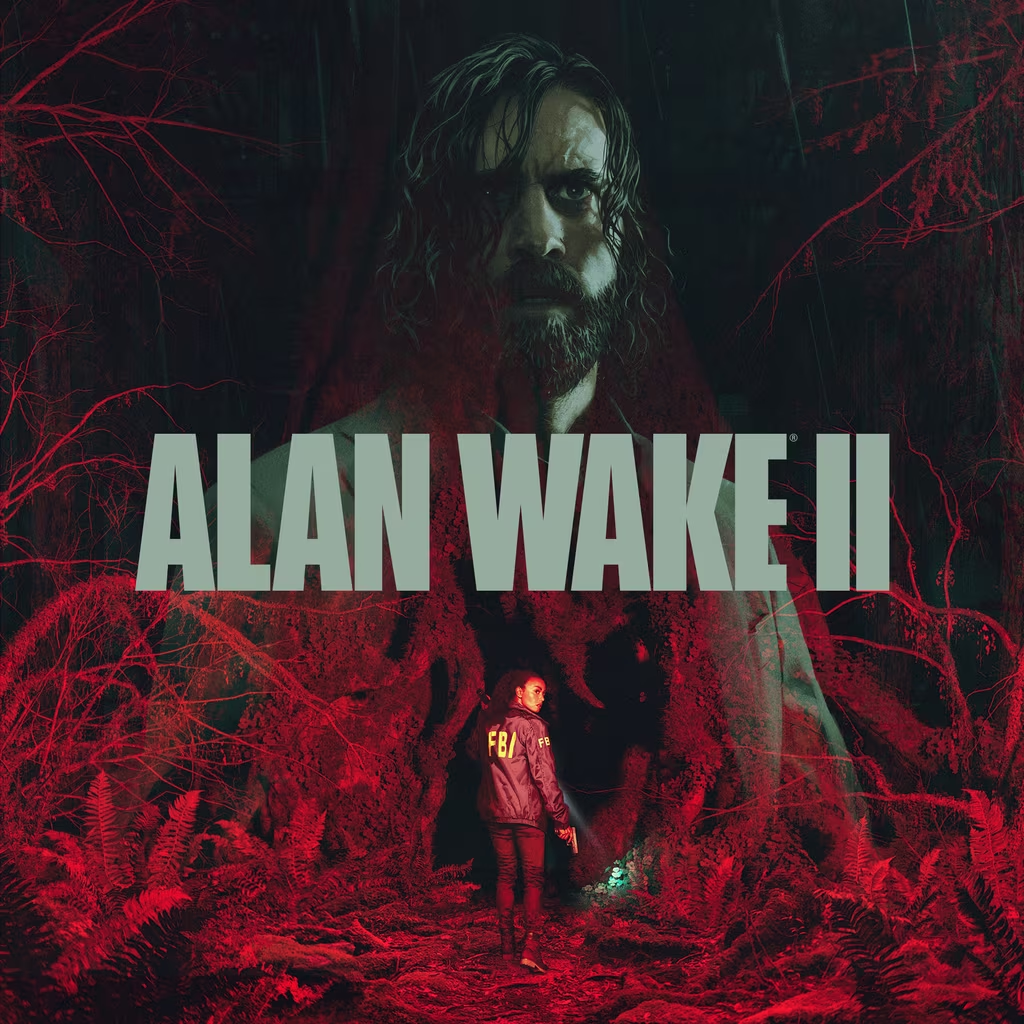
Alan Wake has become a beacon for change in the gaming industry. It offers players a variety of options to make entering its spooky world easier. You can adjust difficulty settings and use visual cues to guide you through dark forests. These features enhance your experience by allowing a more personalized approach to gameplay. Despite these improvements, the journey towards comprehensive accessibility in horror games is far from complete.
Cognitive and Motor Impairments
Games like Alan Wake understand the need to accommodate different abilities. Customizable controls and adjustable difficulty levels cater to gamers with cognitive and motor challenges. These options help you navigate and interact with the game world more comfortably. Players can enjoy the story without facing unnecessary frustration. Simple changes can open doors for more players to enjoy these thrilling narratives.
Hearing Impairments in Gaming
For players with hearing impairments, subtitles and visual indicators are key. Alan Wake offers well-designed captions, ensuring that crucial narrative elements aren’t missed. This attention to detail helps create an immersive experience for all players. It’s a step in the right direction, showing that horror games can be inclusive without sacrificing suspense. Discover more about accessible gaming here.
Lack of Screen Readers
Screen readers are vital for players with visual impairments, yet most games lack this feature. Without screen readers, navigating menus and understanding story elements becomes a challenge. The absence of this tool keeps many players from fully engaging with the game. Including screen readers can transform how visually impaired players experience gaming.
Importance of High-Contrast Mode
High-contrast modes can make a significant difference for visually impaired players. They enhance visibility by altering color schemes, allowing crucial details to stand out. Despite its importance, many horror games, including Alan Wake, don’t offer this option. Implementing high-contrast modes would open up a more vivid and accessible world for all players.
Audio Descriptions in Horror Games
Audio descriptions provide context and detail for players who can’t rely on visuals. They help narrate actions and settings, making games more inclusive. Horror games often rely on visual cues to build suspense, so adding audio descriptions could enhance the experience for all players. This addition would be a significant step towards bridging accessibility gaps. For more on this topic, see this study.
Alan Wake 2 Update Highlights
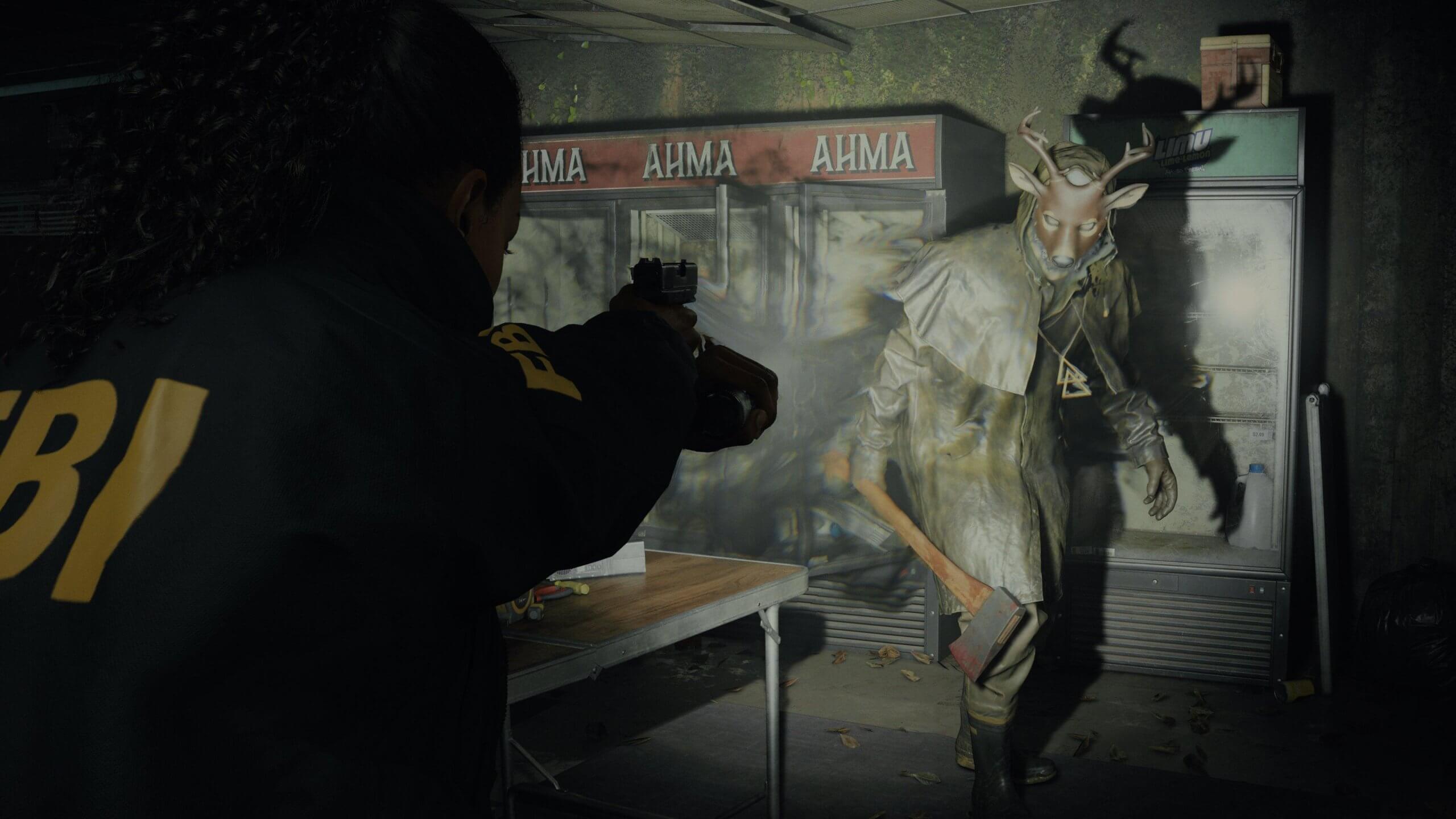
The recent update for Alan Wake 2 includes features that enhance accessibility. New options aim to make gameplay smoother for players with various impairments. These changes show a commitment to inclusivity, proving that horror games can be both thrilling and accessible. However, more work is needed to address all types of impairments effectively.
Broader Industry Trends
The gaming industry is gradually embracing the importance of accessibility. More developers are considering diverse needs, integrating features to support different abilities. This shift is crucial for creating a welcoming environment for all players. As more companies prioritize accessibility, the future of gaming looks brighter and more inclusive. Explore this trend further at Disabled World.
Future of Video Game Accessibility Features
The future of gaming lies in inclusivity. Developers must continue to innovate, ensuring every player can enjoy their creations. By prioritizing accessibility, the industry can create richer, more engaging experiences for everyone. The longer developers wait, the more players are left out of the narrative. Let’s advocate for a future where all gamers can share in the thrill of horror games.
The journey towards inclusive gaming is far from over. By addressing current gaps and building on recent progress, we can ensure that every player, regardless of ability, can immerse themselves fully in the chilling world of horror games.
 Katie Marie Robinson-Sherlock
I’d love to hear what you think, please comment below.