Most horror stories lean on familiar fears, but how often do they rethink the portrayal of disability? In Pet Sematary, Zelda’s character shifts between page and screen in ways that challenge what you might expect from ableist horror tropes. This Zelda character analysis reveals how each adaptation shapes disability representation and what that means for horror narratives—and for the way fear and empathy collide in these stories.
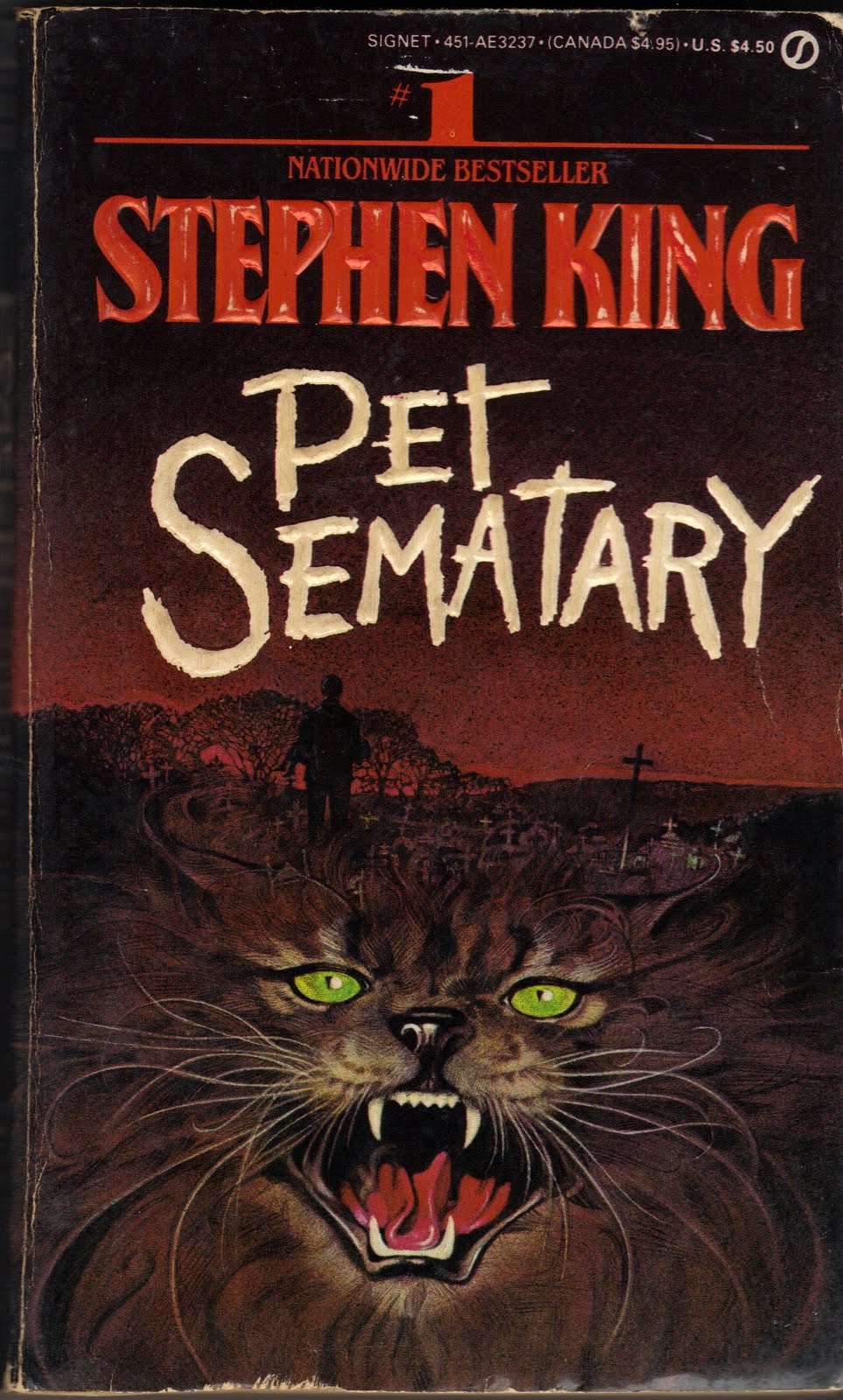
Novel vs. Film: A Comparison
In Stephen King’s novel, Zelda is depicted with a haunting presence. Her illness isolates her from her family, which fuels the story’s tension. You feel her pain and fear the effect it has on her loved ones. The book describes her condition with raw detail, making it deeply unsettling.
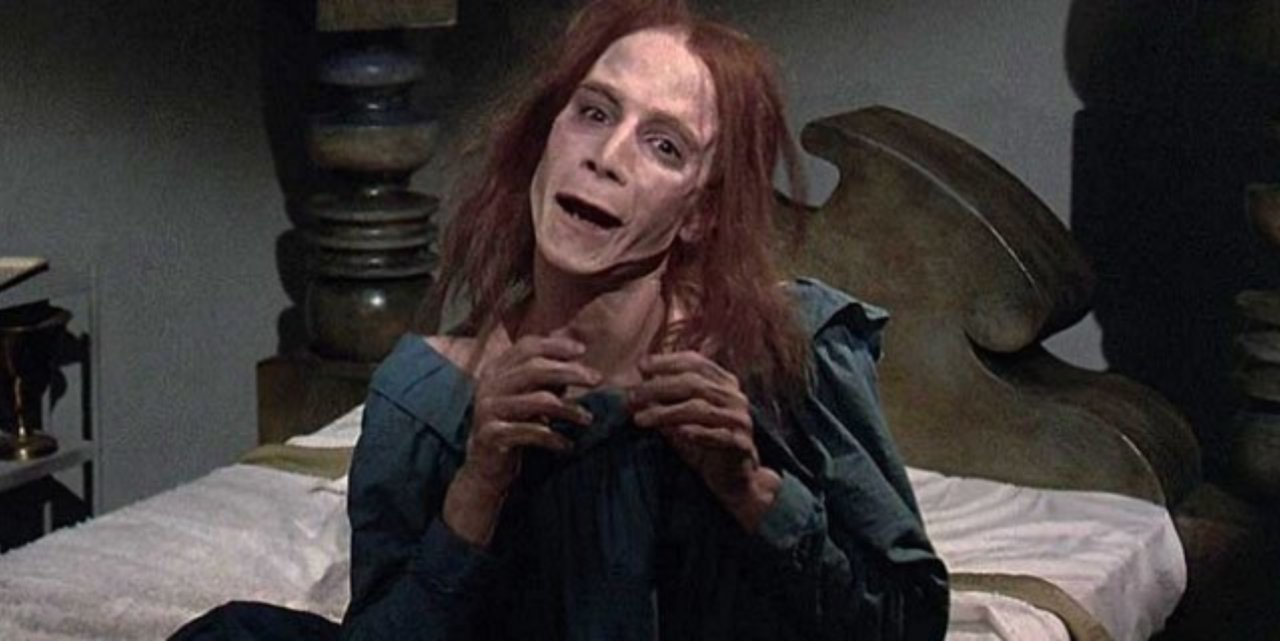
Conversely, the films take liberties with her character. The 1989 adaptation presents Zelda as more of a grotesque figure, amplifying her presence to evoke fear. Her scenes are visually jarring, leaving a lasting impact on viewers. The 2019 adaptation, however, adds layers to her character, offering glimpses of her humanity. By shifting the focus slightly, it explores the family’s burden and guilt more profoundly. These differences highlight how adaptations can reshape a character’s essence.
Disability Representation in Horror
Horror often leans on disability as a source of fear. Zelda’s character challenges this narrative. In the novel, her disability is central to the family’s trauma. It’s not just her appearance, but the isolation and neglect she experiences that haunt the characters.
Films sometimes reduce this complexity, focusing more on shock value. This can reinforce harmful stereotypes, portraying disability as something monstrous. Yet, when handled with care, horror can subvert these tropes. By exploring the emotional depth of Zelda’s character, the story invites empathy rather than fear. This shift has the power to transform horror narratives, making them more inclusive and thought-provoking.
Amplifying Ableist Horror Tropes
The 1989 film’s depiction of Zelda can be seen as amplifying ableist tropes. Her exaggerated movements and eerie presence play into the idea of disability as something to fear. This portrayal can solidify negative perceptions, making disability synonymous with horror.
Such representations are not uncommon in horror films. They often rely on fear of the unknown, with disability being an easy target. By presenting disabled characters as otherworldly, these stories risk dehumanizing them. It’s a delicate balance, and when it’s tipped, the result can be damaging, not just to the genre but to societal perceptions as well.
Subverting Traditional Narratives
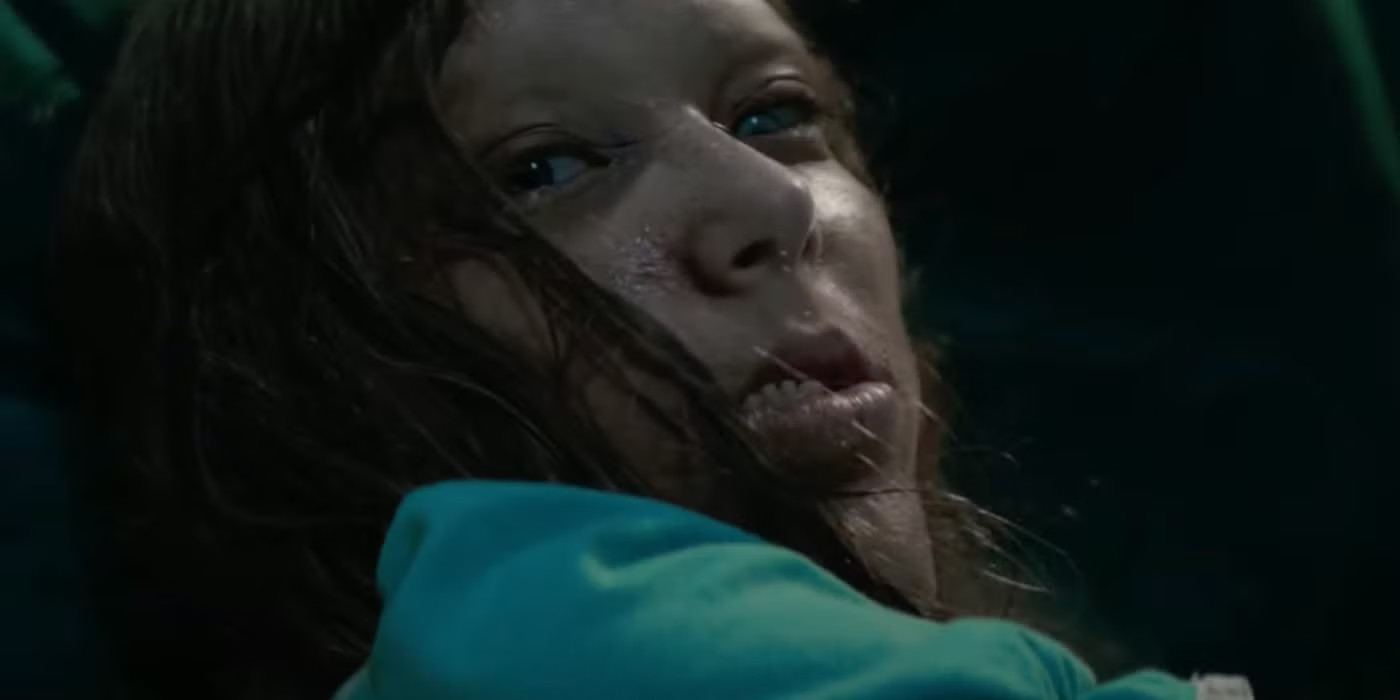
The 2019 adaptation attempts to subvert these traditional narratives. Zelda is still frightening, but there’s a deeper exploration of her humanity. Her moments on screen are not just about fear, but also about the family’s struggle with guilt and helplessness.
This approach invites viewers to see beyond the surface. It challenges the audience to consider the real horror—the neglect and isolation she endures. By doing so, it offers a more nuanced take on disability, one that encourages empathy over fear. This shift is important both for the genre and for broader cultural perceptions of disability.
Fear and Empathy in Horror
Fear is a powerful emotion, often driving horror narratives. Zelda’s story taps into a primal fear of illness and death. Yet, her character also opens the door to empathy. In both the novel and the 2019 film, her suffering is palpable, making you feel for her rather than fear her.
This blend of fear and empathy is what makes horror compelling. It challenges audiences to confront uncomfortable truths about themselves and society. By presenting Zelda as more than just a source of fear, the story pushes the boundaries of traditional horror, encouraging a more thoughtful engagement with the genre.
Significance of Thoughtful Representation
Thoughtful representation in horror can reshape perceptions. When disabled characters are portrayed with depth and authenticity, it challenges stereotypes and broadens understanding. Zelda’s character, when done right, is a testament to this power.
By exploring her story, you see the potential for horror to be more than just a scare. It becomes a tool for reflection and understanding. This is where the true impact lies—in transforming fear into empathy, and in turning horror into a mirror for society’s deepest insecurities and biases. The longer we wait to embrace this shift, the more we miss out on the genre’s potential to enlighten as well as entertain.
 Katie Marie Robinson-Sherlock
I’d love to hear what you think, please comment below.