
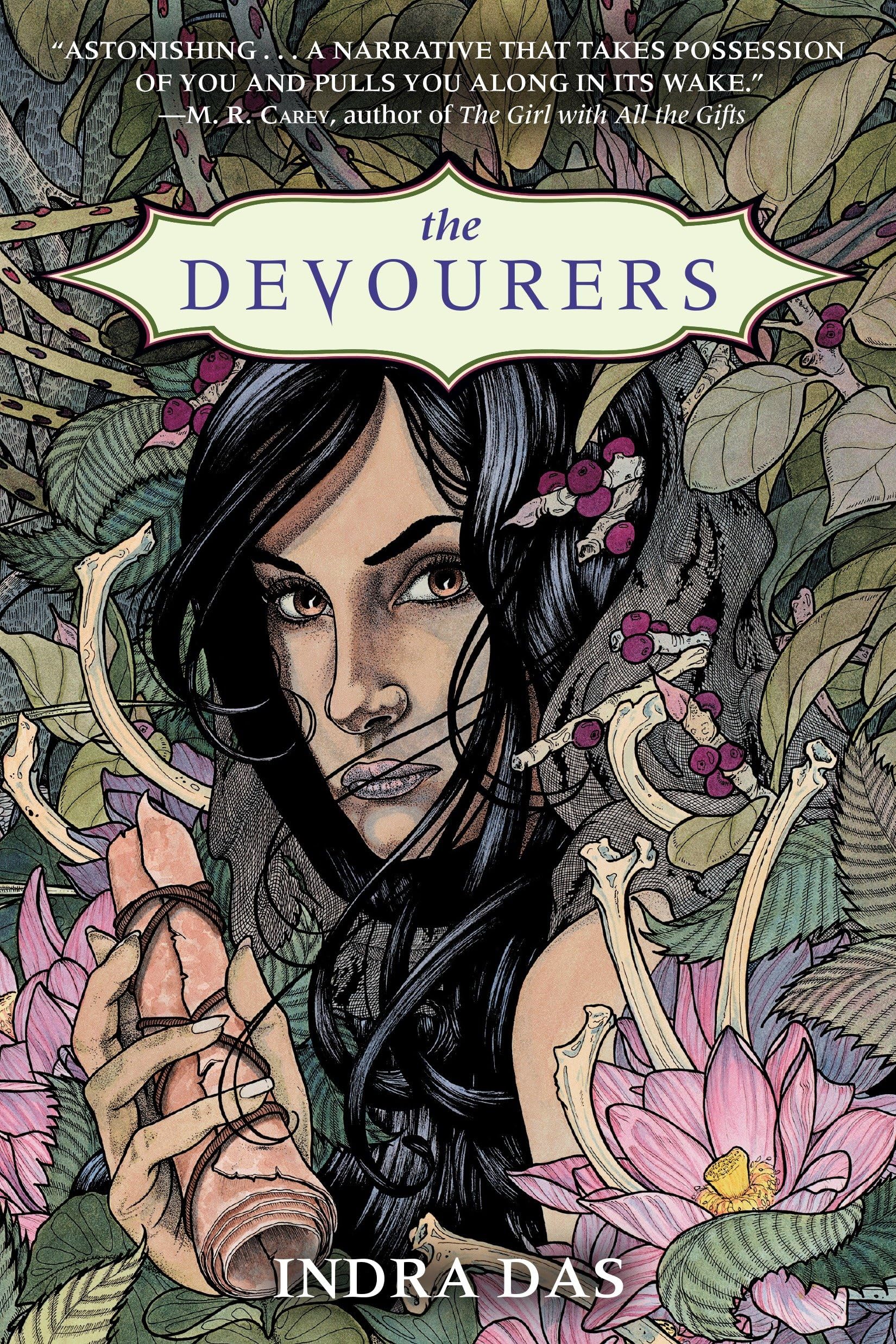
Forget everything you think you know about identity. In The Devourers, Indra Das uses shapeshifting to strip away fixed labels, revealing how bodily autonomy and dysphoria shape the characters’ struggles. This novel challenges the usual ideas of gender and self, showing how transformation can become both a prison and a form of expression. Keep reading to explore how these emotional journeys expose the complex layers of posthuman identity and gender fluidity.
Challenging Traditional Gender Norms
Imagine a world where your form changes at will. In The Devourers, characters navigate this fluidity, disrupting conventional gender roles. This novel forces you to reconsider what it means to exist within societal norms.
Shapeshifting in the story serves as a metaphor for the fluidity of gender. By altering their physical forms, characters defy labels that society tries to impose on them. This brings to light the rigid expectations of gender, prompting readers to question their validity.
Indra Das’s narrative invites you to witness how characters break free from these constraints. Their transformations offer a glimpse into a world without boundaries, suggesting that gender norms are constructs rather than absolutes.
Bodily Autonomy and Identity
The theme of bodily autonomy runs deep in The Devourers. Characters possess the power to change their forms, echoing real-world struggles over control of one’s body. The ability to shapeshift becomes a tool of liberation and expression.
In the novel, this autonomy allows characters to explore identities on their terms. They shape their destinies by choosing who they become, both physically and emotionally. This freedom reflects the universal desire for self-determination and the need to define oneself beyond external pressures.
Through these transformations, the characters confront their identities head-on. Their journeys highlight the importance of bodily autonomy in discovering and asserting one’s true self.
Dysphoria and Self-Perception
As the characters in The Devourers grapple with their transformations, they face a haunting question: Who am I? The fluidity of their forms creates a disconnect between their internal and external selves, mirroring the experiences of those dealing with dysphoria.
Dysphoria arises when one’s physical appearance doesn’t align with their internal identity. In the novel, shapeshifting amplifies this struggle. The characters’ ever-changing forms force them to constantly reassess their sense of self, leading to moments of introspection and doubt.
These journeys through self-perception invite readers to empathize with the characters’ inner conflicts. The novel offers a raw and authentic portrayal of dysphoria, shedding light on the complexities of identity in a world where appearances can shift at a moment’s notice.
Interplay of Form and Emotion
The connection between physical form and emotion takes center stage in The Devourers. Characters experience a profound interplay between their transformations and their inner worlds, revealing how closely linked they are.
Each transformation affects the characters’ emotions, prompting them to confront their fears, desires, and insecurities. This relationship between form and emotion underscores the idea that identity is not static but an ever-shifting mosaic.
By exploring this dynamic, the novel challenges you to consider how your physical form impacts your emotional state. It poses the question: How much of who you are is shaped by the body you inhabit?
Complexity of Self-Identity
The journey of self-discovery is fraught with challenges, as characters in The Devourers navigate the complexities of identity. Their transformations reveal multilayered identities that defy simple categorization.
Each character’s journey highlights the intricate tapestry of self-identity. Through their experiences, the novel illustrates that identity is not a singular concept but a collection of experiences, emotions, and choices.
By embracing this complexity, The Devourers encourages you to view identity as a spectrum rather than a binary. This perspective opens up new possibilities for understanding oneself and others.
Quest for Personal Agency
At the heart of The Devourers lies the quest for personal agency. Characters seek to assert control over their transformations and, by extension, their lives. This pursuit reflects the universal desire for autonomy and self-direction.
The novel portrays this journey as both empowering and challenging. As characters gain agency over their forms, they also confront the responsibilities that come with it. This duality highlights the delicate balance between freedom and accountability.
Through their quests, the characters inspire you to consider your own pursuit of agency. The novel urges you to take charge of your narrative and shape your destiny in a world where change is constant.

Contribution to Posthuman Discourse
The novel’s exploration of shapeshifting and identity offers a fresh perspective on posthuman discourse. By blurring the lines between human and other, The Devourers challenges you to rethink the boundaries of identity.
Through its narrative, the novel engages with themes of transformation and fluidity, inviting you to question the limitations of traditional identity constructs. This contribution enriches the ongoing conversation about what it means to be human in a world where boundaries are increasingly blurred.
Relevance to Modern Identity Conversations
In today’s world, conversations about identity and self are more relevant than ever. The Devourers speaks to these discussions, offering insights into the complexities of identity in a rapidly changing landscape.
The novel’s portrayal of shapeshifting and fluidity resonates with current debates on gender, autonomy, and self-perception. By examining these themes, The Devourers provides a lens through which you can explore modern identity conversations and their implications.
Indra Das’s Vision of Transformation
Indra Das crafts a compelling vision of transformation in The Devourers. His narrative invites you to embark on a journey of self-discovery, where identity is not fixed but constantly evolving.
Das’s vision challenges you to embrace change and transformation as integral parts of the human experience. Through the characters’ journeys, the novel encourages you to see transformation not as a threat but as an opportunity for growth and exploration.
By weaving together elements of horror, fantasy, and identity, The Devourers creates a vivid tapestry that leaves you questioning and contemplating long after the final page is turned.
 Katie Marie Robinson-Sherlock
I’d love to hear what you think, please comment below.