
Deadgirl doesn’t just scare, it unsettles by turning the undead female body into a symbol of trauma and objectification. This blog unpack the zombie metaphor to reveal what happens when bodies become disposable and why that matters more than you might think. Read the acedemic article Gender Monstrosity: Deadgirl and the Sexual Politics of Zombie-Rape for a detailed deep dive.out the gender monstrosity in “Deadgirl”.

Deadgirl Movie Analysis
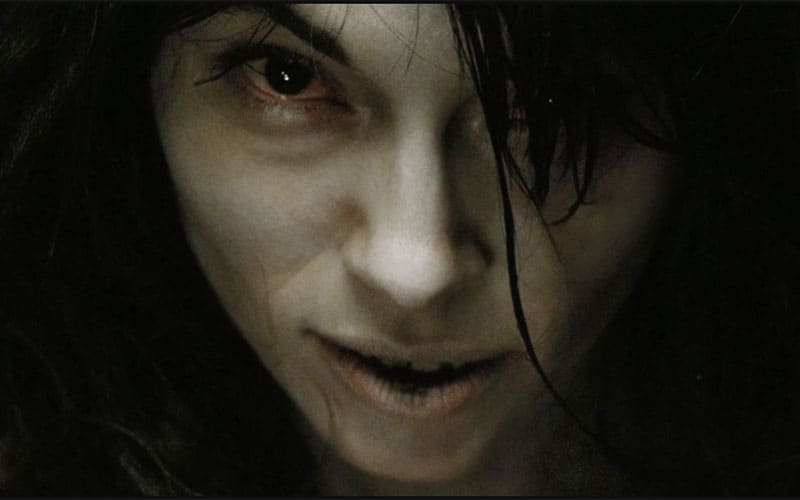
In Deadgirl, the discovery of an undead girl in an abandoned asylum turns into a sinister tale. As the teenage boys in the film grapple with their find, the movie deftly illustrates how society often views the female body as both an object of desire and a disposable entity. The undead girl is not just a horror element but a symbol of how trauma and bodily difference are framed as monstrous. Her presence forces us to confront uncomfortable truths about objectification and exploitation.
Through the boys’ interactions with her, the film paints a vivid picture of societal views on female bodies. This isn’t just a horror story; it’s a stark commentary on how bodies, especially female ones, are commodified. The unsettling scenes compel viewers to reflect on how easily society dismisses trauma when it’s wrapped in the guise of horror.
Undead Female Representation
The concept of the undead female in horror is not new, but Deadgirl brings a fresh and disturbing perspective. By presenting the female zombie as a focal point, the film challenges viewers to question the portrayal of women in media. The undead girl is both a victim and a specter, representing the fears and fantasies projected onto female bodies.
This representation is powerful because it exposes the fragility of viewing bodies as mere objects. The film suggests that, like the undead girl, women’s bodies are often dehumanized and stripped of agency. As the narrative unfolds, it becomes clear that the horror lies not in the supernatural, but in the very real societal attitudes towards women.
Trauma in Horror Films
Horror films frequently explore trauma, yet Deadgirl takes this to another level. By using the undead girl as a metaphor, the film illustrates how trauma is often dismissed or sensationalised. The boys’ treatment of her is a grim reflection of how trauma survivors are sometimes viewed as curiosities rather than individuals with stories and experiences.
Through this lens, Deadgirl presents a narrative that is both chilling and thought-provoking. The film encourages viewers to see beyond the surface scares and consider the deeper implications of trauma in horror. By doing so, it challenges the audience to reflect on their perceptions and the societal norms that allow such narratives to persist.
Objectification of Women in Film
Deadgirl is a stark reminder of the persistent objectification of women in film. The movie’s portrayal of the undead girl as a passive entity subjected to the whims of the male characters serves as a powerful critique. It underscores how women are often reduced to mere objects of desire or fear.
This objectification is not just a filmic device but a reflection of real-world attitudes. By highlighting this, Deadgirl forces viewers to confront uncomfortable truths about gender dynamics and representation in media. The film’s unsettling narrative acts as a mirror, reflecting societal attitudes that often go unchallenged.

Zombie Metaphor and Societal Views
Zombies, often seen as mindless creatures, are a staple in horror. Yet, in Deadgirl, the zombie metaphor is a vehicle for a deeper narrative. The undead girl’s presence highlights how society often views trauma and violence as distant, almost fictional concepts, rather than real issues impacting real people.
By using the zombie as a symbol, the film challenges viewers to rethink their perceptions of violence. It suggests that the real horror lies not in the undead but in the societal attitudes that allow such narratives to exist. This powerful commentary forces audiences to confront their own complicity in perpetuating these views.
Feminist Film Critique
Deadgirl offers a rich ground for feminist film critique. Its narrative challenges traditional representations of women in horror, urging viewers to question the status quo. The film’s portrayal of the undead girl serves as a critique of how women are often reduced to objects in media narratives.
Through its unsettling storyline, Deadgirl invites a deeper conversation about gender and representation. It challenges the normalization of violence against women and advocates for narratives that respect and honor the complexity of female experiences. This critique is not just about horror films but about the broader media landscape and the stories we choose to tell.
In conclusion, Deadgirl is more than a horror film. It’s a critical examination of how trauma and objectification are portrayed in media. By challenging viewers to see beyond the surface, it encourages a deeper understanding of the narratives that shape our perceptions.
 Katie Marie Robinson-Sherlock
I’d love to hear what you think, please comment below.