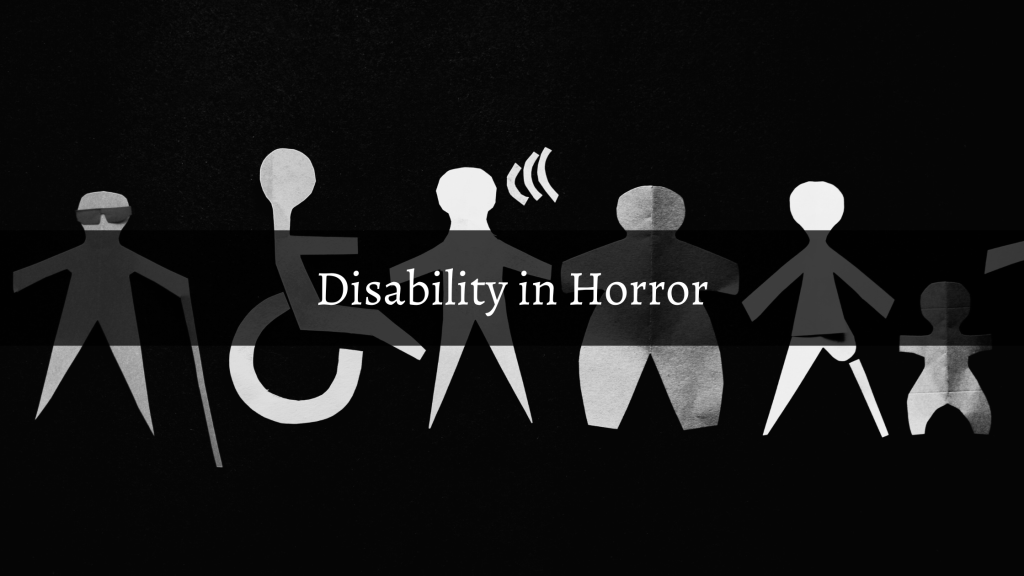
Forget everything you think about disability in sci fi horror. Most stories erase or “fix” disabilities with tech, leaving out real representation in fiction. But what if your sci-fi worlds with disability treated it as normal, something characters adapt to and live with? This approach changes how you build your story and who gets to see themselves in your world. Read more about the impact of disability metaphors in sci-fi and fantasy.
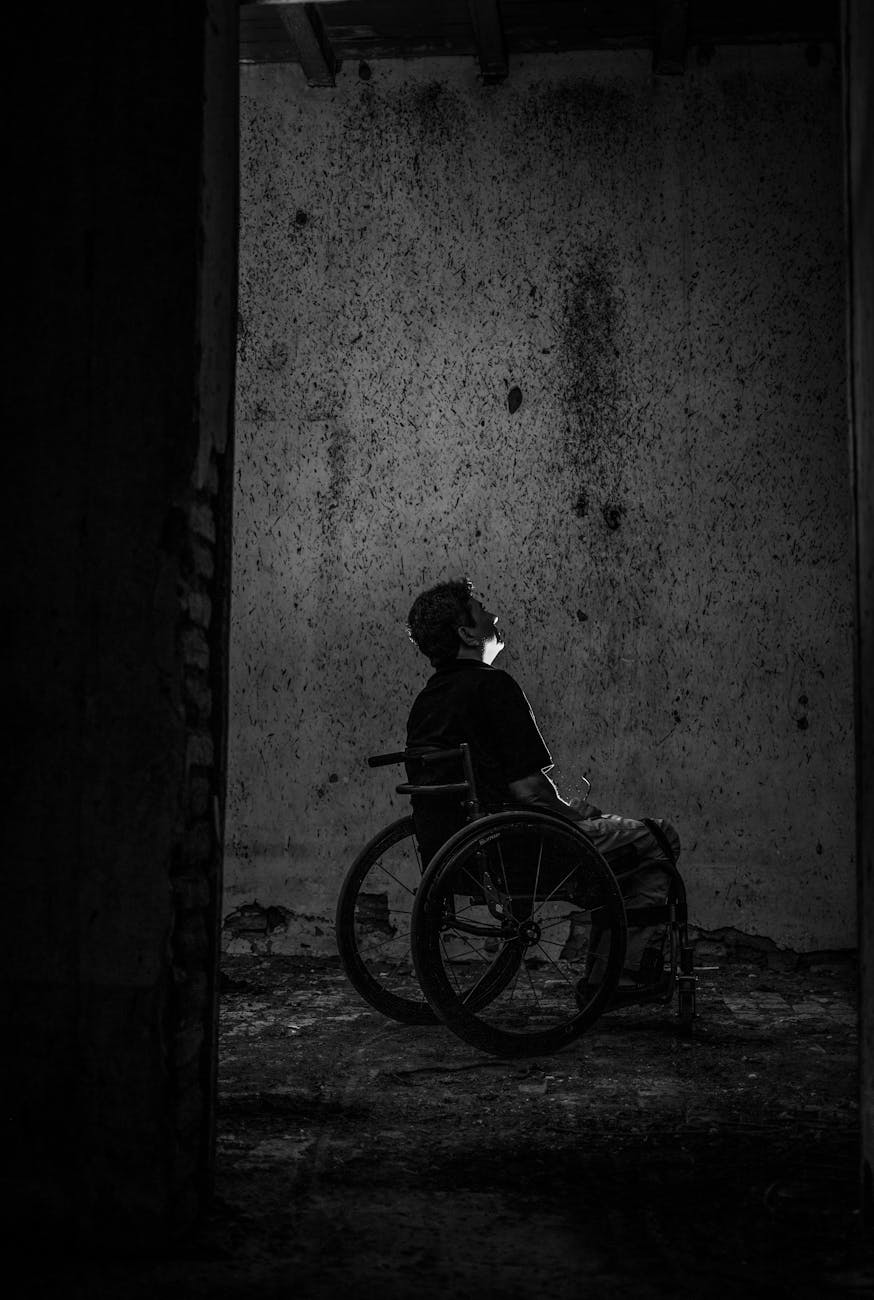
Normalizing Disability in Fiction
Imagine characters who live with disabilities as part of their everyday reality. This approach creates a rich tapestry of diverse stories. Instead of using magic to erase differences, consider how these elements can celebrate them. For instance, a hero might navigate their challenges without losing any of their agency or strength. This adds depth to your characters and makes your world feel more authentic.
You can draw inspiration from real-life stories where people adapt in incredible ways. By showcasing these experiences, you offer readers a new perspective. They see resilience and creativity, leading them to connect more deeply with your characters. Strive to weave these experiences into your narrative, making them integral to the story rather than an afterthought.
Representation in Sci-Fi Horror
Horror thrives on tension and surprise. When you incorporate disability into this genre, you open new doors for storytelling. Think of a character whose unique experiences with disability give them an edge in a terrifying situation. Perhaps their sensitivity to sound alerts them to dangers others might miss.
By including such characters, you challenge stereotypes and create suspenseful stories that keep readers on edge. You also offer representation to those who rarely see themselves in these tales. This approach not only enriches your narrative but also broadens your audience. Dive into discussions in this forum to see how others are rethinking these concepts.
Incorporating Disability in Sci-Fi
Sci-fi is a realm where imagination knows no bounds. By including disability as a natural part of this world, you invite readers to see beyond traditional narratives. Consider a futuristic society where technology assists but doesn’t overshadow the human element. Your characters might use advanced tools, but their stories center on their personal journeys.
By prioritizing the human aspect, you create a more relatable and engaging plot. Readers are drawn to characters who reflect real-world complexities, making your story resonate on a deeper level. For more ideas, check out this epic reads blog on how others are incorporating diverse characters in fiction.
Adapting to Disability in Narratives
When writing about disability, focus on adaptation and resilience. Characters can face challenges, but their journey is about how they overcome these obstacles, not being defined by them. This perspective shifts the narrative from one of pity to one of empowerment.
Use simple, clear language to describe these experiences. This makes your story accessible to a wider audience, enhancing its impact. By highlighting adaptation, you offer readers a glimpse into a world where everyone can be a hero, regardless of their circumstances.
Fantasy Worlds with Disability
Picture a world where characters with disabilities hold key roles in unraveling mysteries. Their unique perspectives can be the key to surviving a supernatural threat. This not only adds intrigue but also offers a chance to explore how these characters perceive the world differently.
By focusing on their strengths, you create a narrative that is both thrilling and empowering. Your readers will be captivated by the suspense and inspired by the resilience of your characters. Engage with communities like the Horror Writers Association to see how others are innovating in this space.
Disability Representation in Horror
Horror can be a powerful tool for representation. Characters with disabilities can challenge traditional roles and redefine what it means to be a hero. For example, a character who uses a wheelchair might have a unique advantage in a haunted house scenario, offering an unexpected twist that keeps readers on the edge of their seats.
By breaking away from stereotypes, you deliver stories that are not only captivating but also meaningful. This approach resonates with readers looking for tales that reflect diverse experiences. Explore more insights and reviews on inclusive storytelling at Divination Hollow.
By embracing these strategies, you can craft stories that not only entertain but also inspire and include. Dive into your next project with these insights, and watch as your narratives transform into powerful, inclusive tales.
 Katie Marie Robinson-Sherlock
I’d love to hear what you think, please comment below.