
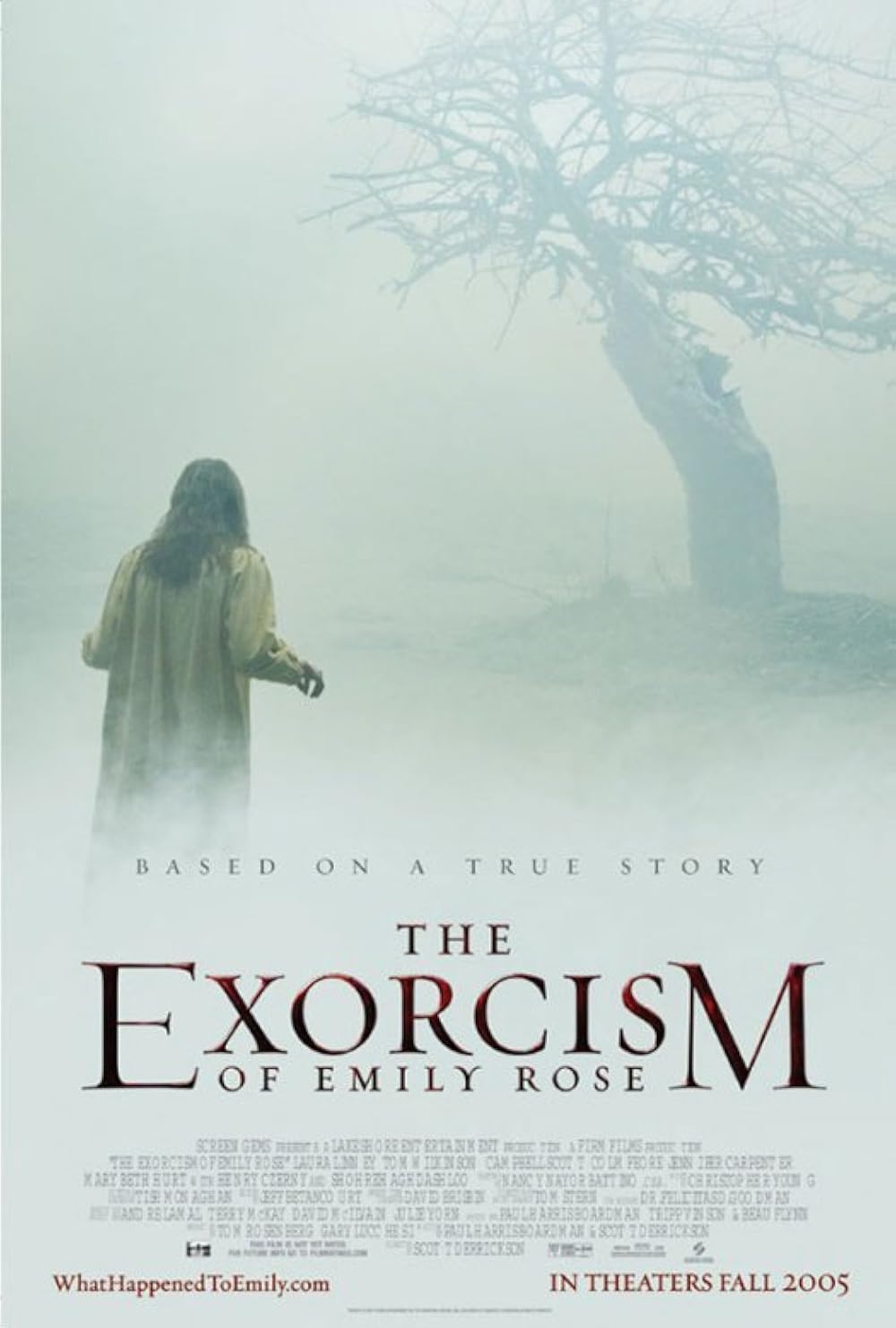
Most people see disability as a physical or mental challenge, but what if it’s also a battleground for spiritual warfare? The Exorcism of Emily Rose offers more than scares, it reveals deep struggles where disability and spirituality collide. In this film analysis, you’ll explore how the movie portrays these hidden conflicts and what it means for mental health and spirituality.
Understanding Spiritual Warfare
Spiritual warfare isn’t just a plot device in horror movies. It’s a battle of good versus evil, one that goes beyond the physical realm. In Emily Rose’s story, this battle becomes personal. Her torment is more than just possession; it’s a fight for her soul. This element of spiritual warfare makes the film relatable for those who believe in forces beyond human comprehension. It challenges us to think about the unseen battles that might be influencing our lives.
Think about it this way: Emily’s struggle represents those unseen forces that many people believe in. The film suggests that these battles are as real as physical ones. Most would dismiss such claims, but Emily’s story might make you rethink your stance. Is there more happening in the world than meets the eye? The film subtly pushes this question, making you ponder long after the credits roll.
Disability and Spirituality Connection
Emily’s portrayal in the movie raises important questions about the link between disability and spirituality. Her seizures and other symptoms are seen by some as spiritual warfare. The film suggests that disability may have a spiritual dimension. It’s a controversial idea, but one that the movie explores with intrigue.
Consider how the film presents Emily’s condition. Her symptoms could be interpreted in multiple ways, medical or spiritual. This duality adds depth to her character and challenges the audience’s perceptions. Is her condition a result of spiritual warfare, or is it purely medical? The film doesn’t provide a clear answer, leaving viewers to grapple with their beliefs. This ambiguity connects to the broader discourse on disability and spirituality. Emily’s story is a touchstone for discussions about how we view disability in a spiritual context.

Emily Rose as a Symbol
Emily is more than the central character, she’s a symbol of struggle and faith. Her character embodies the conflict between belief and skepticism. Through her, the film questions whether suffering is a test or a curse. Her story compels viewers to consider the power of faith in the face of unimaginable adversity.
Emily’s character is not just there to frighten. Her journey speaks to those who have faced similar struggles. Is her suffering a test of her faith? Or is it simply a tragic tale of a young woman’s battle with an illness? The film leaves these questions open, inviting viewers to reflect on their interpretations. Her portrayal resonates with many, as it mirrors real-life stories of individuals grappling with the unknown. Emily’s symbolic role in the film adds layers to the horror genre, making it more than just a tale of exorcism.
The Role of Her Family
Emily’s family plays a crucial role in the narrative, embodying the tension between faith and science. They are caught between trusting medical advice and believing in a spiritual solution. This conflict highlights the struggles many families face when dealing with illnesses that defy explanation.
Their portrayal is a reminder of the emotional turmoil that comes with such dilemmas. The family’s faith is tested, creating a narrative that is both relatable and engaging. Their journey reflects the broader societal debates about faith, medicine, and the unknown. This dynamic adds tension and depth to the story, making it more than just a simple horror film. It challenges viewers to think about the role of family in navigating spiritual and medical crises.
Mental Health and Spirituality
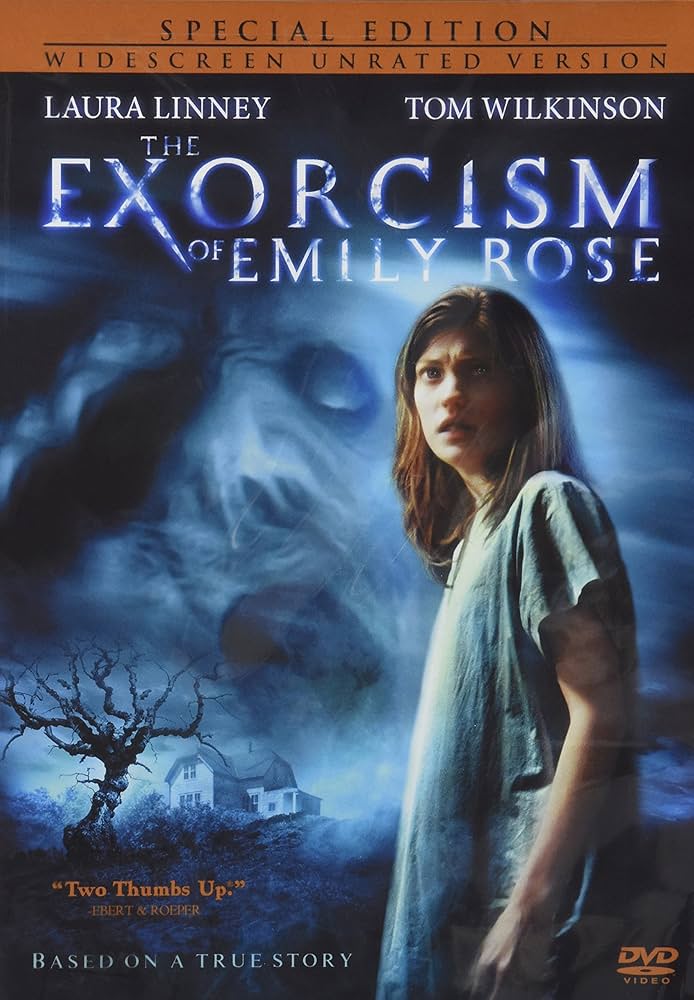
The film’s portrayal of mental health issues is both haunting and eye-opening. It raises questions about how society perceives mental illness and spirituality. Are these realms separate, or do they intersect more often than we think? The movie suggests that mental health can have a spiritual dimension, urging viewers to look beyond typical explanations.
Emily’s struggle with her symptoms can be viewed through multiple lenses. Is she battling a mental illness, or is her experience something more profound? This ambiguity makes the film resonate with viewers who see mental health as a complex interplay of factors. It encourages a deeper understanding of how mental health and spirituality can overlap.
A Unique Approach to Horror Movie Reviews
Most horror movies aim to scare, but The Exorcism of Emily Rose offers more. It challenges viewers to think about what they believe in. The movie’s unique blend of horror and spirituality invites a different kind of review one that delves into its deeper meanings and implications.
In reviewing this film, consider its impact on your beliefs. Did it change your perspective on spiritual warfare or mental health? The movie’s ability to provoke such thoughts sets it apart from typical horror films. It serves as a reminder that horror can be more than just fright; it can be a mirror reflecting our deepest fears and questions.
In conclusion, The Exorcism of Emily Rose is more than a horror film. It’s a narrative that challenges our understanding of spirituality, disability, and mental health. Whether you’re drawn to its scares or its deeper meanings, the film offers something for everyone. As you reflect on its themes, consider what it reveals about your beliefs and perceptions.
 Katie Marie Robinson-Sherlock
I’d love to hear what you think, please comment below.