
Most horror stories rely on loud screams and graphic scenes, but what if silence and subtle gestures could grip your readers even tighter? Mastering non-verbal horror lets you create tension in writing that seeps under the skin without saying a word. This post shows how sensory writing and careful crafting of atmosphere bring inclusive horror to life in ways that stick with your audience long after the last page.

The Power of Quiet
Quiet moments can build suspense unlike anything else. Silence in horror writing often speaks louder than words. Have you ever noticed how the absence of sound can make your heart race? When characters stop moving and the world holds its breath, you feel it too. This is where true fear festers. A silent room can be more chilling than a scream. It’s the quiet that makes you listen harder, waiting for something to break it.
In these moments, readers are drawn in, their eyes darting across the page, anticipating the unknown. Silence is your ally, a tool that makes every creak and whisper matter. Try listening to the silence; it might just talk back to you.
Creating Tension Through Stillness
Stillness allows the imagination to run wild. When nothing moves, you sense danger lurking. Picture a character standing alone, holding their breath, ears straining for the faintest sound. What could be more nerve-wracking? This is your chance to guide your reader’s mind to places they dread.
By using stillness, you invite tension to creep in unnoticed. Readers will feel the weight of the air, the heaviness of the moment. This is where fear takes root, in the pauses and the quiet. Let them fill the void with their own anxieties.
Crafting Atmosphere with Silence
Silence doesn’t just create tension; it builds atmosphere. The quiet before a storm, the hush of a deserted street, these are moments ripe with horror. Silence sets the scene, painting a world where anything is possible. It’s in this void that your readers find themselves most vulnerable. Invite them to step into a world crafted by quiet. With silence, you shape the mood, setting the stage for what’s to come. The atmosphere becomes a character in your story, whispering secrets into the reader’s ear.

Non-verbal Communication Techniques
Body language speaks volumes in horror. A simple glance, a trembling hand—these can convey dread and anticipation. Think about how a character might react silently to a shadow passing over a window. Their body tightens, eyes widen, a bead of sweat forms. All of this tells a story without a single word spoken.
Non-verbal cues are vital for inclusive horror. They allow readers to interpret fear through their own lenses. By focusing on universal gestures, you make your horror relatable and inclusive. Your readers will see themselves in the character’s shoes, feeling each silent scream.
Show Don’t Tell: Gestures
Gestures bring the “show, don’t tell” principle to life. Instead of telling your reader a character is scared, show them. A character might grip the edge of a table, knuckles white, as they hear a distant noise. These details invite readers to experience the moment firsthand. You create a bond between the reader and the character through these small, significant actions. Gestures draw readers in, making them active participants in the unfolding horror. They see what your characters see, feel what they feel, making for a more immersive experience.
Building Fear with Body Language
Body language can heighten fear in unexpected ways. Imagine a character’s breathing growing shallow, eyes darting to every sound. Their posture shifts from relaxed to tense, ready to flee. This physical transformation is powerful, making fear tangible. By focusing on body language, you make fear a living, breathing entity. Readers will notice every twitch, every shiver, feeling the dread alongside your characters.
Enhancing Horror with the Senses
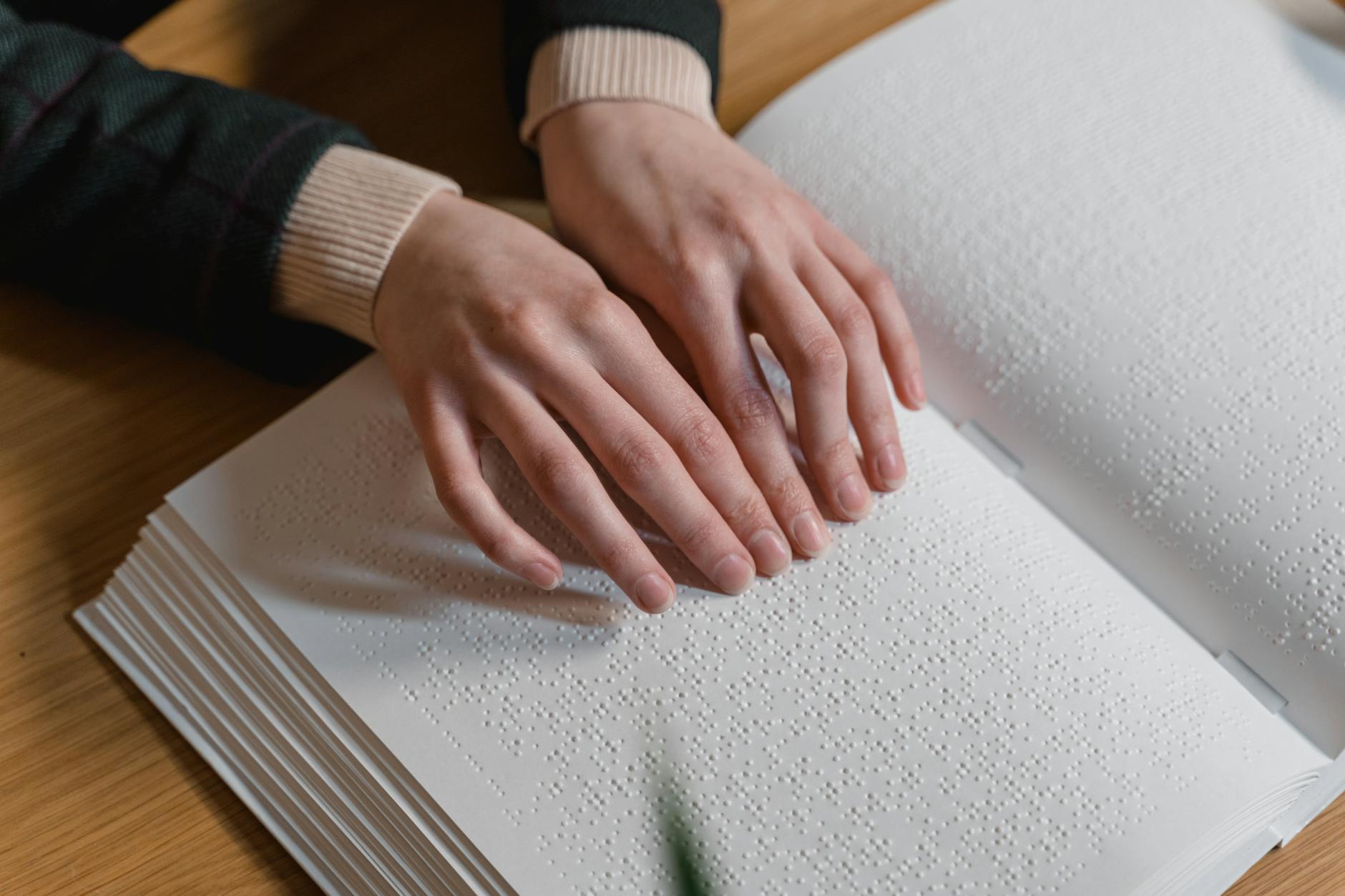
Our senses are gateways to fear. The scent of something rotten, the touch of a cold breeze, these details make horror visceral. Consider how a creaking floorboard sounds in a silent house. This simple noise can spike adrenaline and set the scene for what’s next. Using sensory writing, you transform the ordinary into the eerie. Readers will feel the chill, hear the whispers, and taste the metallic tang of fear. These sensory details make your horror unforgettable.
Crafting Atmosphere Through Sensory Details
Atmosphere thrives on sensory details. The dim light of a flickering candle, the oppressive heat of a closed room such elements build a world thick with tension. These are the anchors that ground your horror in reality. By weaving sensory elements into your stories, you immerse your readers in a multi-dimensional world. They don’t just read about fear; they experience it. This is how you create horror that lingers long after the page is turned. For more on using the senses in horror, check out this guide on aspirehub..
Engaging Readers with Sensory Writing
Sensory writing invites readers to engage with your horror on a personal level. It’s not enough to describe a scene; let them live it. When you write a character’s reaction to a chilling sound or a strange smell, your readers react too. By engaging the senses, you forge a connection between your story and the reader. They become part of the narrative, feeling each heartbeat, each gasp. This connection makes your horror not just a story, but an experience.
 Katie Marie Robinson-Sherlock
I’d love to hear what you think, please comment below.