
Forget everything you think you know about horror literature. Craig Davidson’s (writing as Nick Cutter) The Troop turns fear inside out by making infection and parasitism the real villains, with the Body as battleground. Diving into the themes of psychological horror, especially through the lens of Canadian literature, offers a fresh perspective on fear. The Troop by Craig Davidson stands out by redefining terror with unflinching originality. If you want to see fear stripped down to its raw, physical core, keep reading.
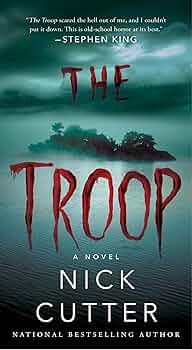
Infection and Parasitism in The Troop
In Davidson’s world, infection and parasitism become more than mere plot devices. They’re the embodiment of fear itself. Imagine your worst nightmare crawling inside, claiming your body as its new home. Davidson crafts a scenario where contagion is the unseen monster, lurking in the shadows, ready to strike. This isn’t just about fear of the unknown, but fear of what’s already within.
The book paints a vivid picture: a group of young scouts facing their darkest fears. As the story unfolds, the real terror isn’t the creature, it’s the infection that spreads quietly, insidiously. The tension builds as readers see the boys’ struggle against something far more terrifying than a visible enemy. This theme resonates, capturing a unique blend of psychological and physical horror that keeps you pondering: what would you do in their shoes?
Body as Battleground in Horror Literature
Horror literature often turns the body into a stage for fear. In The Troop, this concept is taken to new heights. Our bodies, usually seen as safe havens, transform into unfamiliar terrains. This shift in perception is what makes the story so unsettling.
Davidson uses vivid imagery to depict how parasites hijack their hosts, turning a once-familiar body into a battleground. The fear of losing control over one’s own body taps into deep-seated anxieties. Readers can’t help but imagine the horror of their own bodies betraying them. This narrative choice poses a chilling question: what happens when your own skin becomes your enemy? The Troop forces readers to confront this fear head-on, making it a standout in horror literature.

Canadian Authors Shaping Horror
Canadian authors bring a unique flavor to horror. Craig Davidson is a prime example. His writing reflects the vast, often isolated landscapes, adding layers of psychological horror to his stories. These settings aren’t just backdrops; they’re characters in their own right, influencing every twist and turn of the plot.
Davidson’s work frequently draws from his Canadian roots, creating a sense of isolation and vastness. This geographic influence is evident in The Troop. The remote island setting amplifies the characters’ fears, making escape seem impossible. Canadian horror thrives on such isolation, using it to build tension and unease. This distinct approach ensures Canadian authors like Davidson continue to shape the horror genre with fresh, unsettling perspectives.
Psychological Horror Techniques in The Troop
Davidson employs several techniques to create a psychological horror masterpiece. His character-driven narrative delves into the minds of both the victims and the infected. This dual perspective gives readers an intimate view of the horror unfolding on the island.
The story uses tension and anticipation to great effect. Davidson doesn’t rely solely on jump scares or gore. Instead, he explores the psychological impact of fear, examining how characters react under pressure. Readers are drawn into a world where the real terror lies within the mind, not outside of it.
Davidson’s use of subtle hints and foreshadowing keeps readers on edge. As the plot unfolds, each revelation heightens the tension. It’s this masterful blend of psychological and traditional horror elements that makes The Troop a must-read for fans of the genre.
Analyzing Fear and Anticipation
Fear and anticipation are the heartbeats of The Troop. Davidson masterfully builds dread by focusing on the unseen. Readers know something terrible is coming, but the anticipation of not knowing when creates a palpable tension. This slow build-up of fear keeps you glued to the pages, unable to look away.
The novel uses a mix of character perspectives to intensify this feeling. Each character’s fear feeds into the others, creating a web of shared dread. This interconnectedness amplifies the story’s emotional impact, making the reader feel every heartbeat, every gasp for breath. The result is a gripping tale that leaves you questioning the nature of fear itself.
Impact of Isolation on Characters
Isolation is a key element in The Troop, affecting each character uniquely. Stranded on a remote island, the boys face not only external threats but their own inner demons. This isolation strips away societal norms, exposing raw human instincts.
Davidson explores how solitude can both break and build character. Some boys crumble under the weight of fear, while others find unexpected strength. This exploration of isolation highlights the human capacity for resilience and adaptability. It forces readers to reflect on their own responses to fear and solitude, making The Troop not just a horror story, but a journey into the human psyche.
By the end of The Troop, you’re not just left with a story of horror, but a deeper understanding of fear’s complexity. Davidson’s work is a testament to horror’s power to reveal truths about ourselves, making it a compelling read for any fan of the genre. If you enjoy exploring the depths of psychological terror, this novel is a must-read.
 Katie Marie Robinson-Sherlock
I’d love to hear what you think, please comment below.