Easter is supposed to be about renewal. New life, sunshine, lambs doing whatever it is lambs do. Which, frankly, makes it perfect for horror.
There’s something deeply unsettling about horror that blooms where comfort is expected, pastel colours curdling into menace, rituals going awry, and the promise of rebirth twisting into something feral. If you like your chocolate eggs with a side of dread, here are some Easter-adjacent horrors worth your time.
Folk Horror & Pagan Unease aka The Vibes Are Off
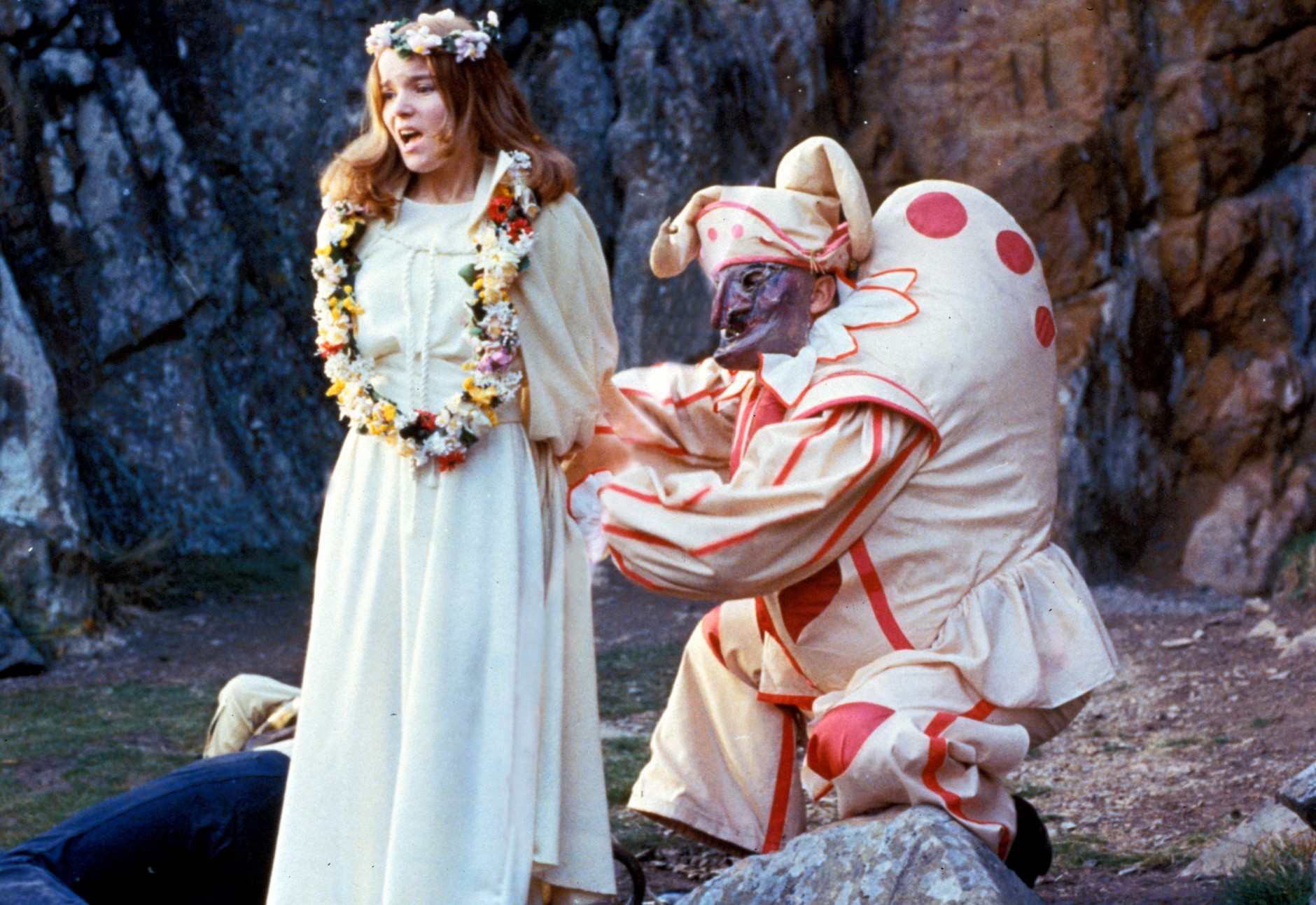
The Wicker Man: The gold standard of “sunny day, deeply bad outcome.” A cheerful island, fertility rituals, and one of the most famously uncomfortable endings in horror history. If Easter is about sacrifice and belief, this film asks what happens when those ideas are taken very seriously.
Midsommar: Flowers, feasts, and daylight that never lets you hide. Ari Aster turns seasonal celebration into a slow, beautiful nightmare. It’s not Easter explicitly, but it is about cycles, grief, and rebirth that demands a price.
A Field in England: Civil War deserters stumble into alchemy, mushrooms, and cosmic unease in a field that refuses to behave. Springtime pastoral horror at its strangest.
The Feast: A family dinner in rural Wales becomes a reckoning with land, exploitation, and appetite. Seasonal food, ancestral wrongs, and a sense that nature is keeping score.
Games That Turn Cute Traditions Hostile
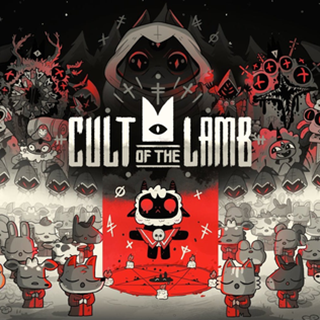
Cult of the Lamb: Adorable animals with cult sacrifices. Cult of the Lamb is a rougelight, with a surprisingly cosy management sim where resurrection is just part of the job description. Perfect if you like your Easter themes filtered through eldritch cheerfulness.
Bloodborne: Not seasonal in tone, but deeply obsessed with cycles, rebirth, and bodies transformed by belief and blood. Gothic horror that treats resurrection as a curse, not a miracle.
Doki Doki Literature Club: Bright colours, innocent tropes, and something very wrong underneath. Again it’s not linked to the season explicitly but thematically, if Easter horror is about appearances versus meaning, this game understands the assignment.
Books for When Rebirth Turns Monstrous
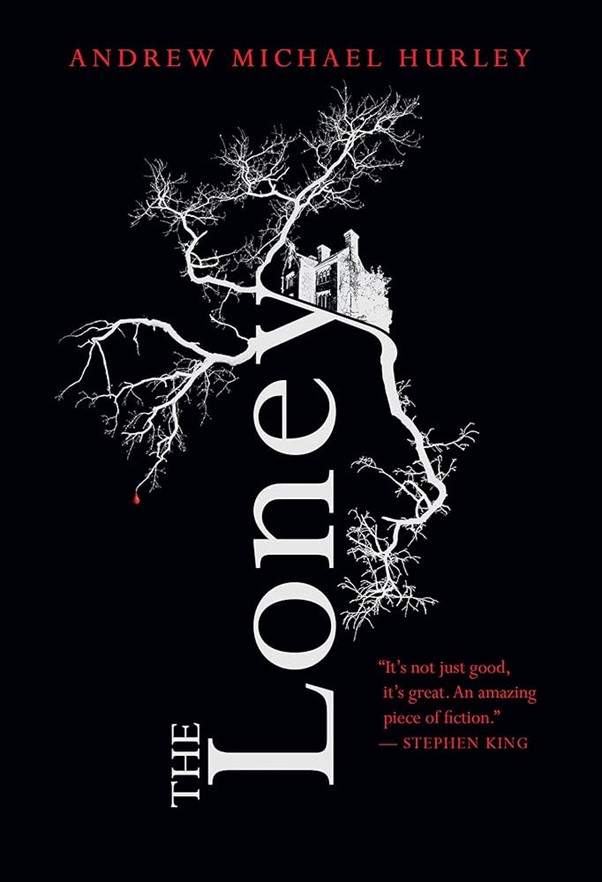
The Loney: Pilgrimage, faith, and a bleak coastline that does not offer miracles lightly. A slow, devastating exploration of belief and what we’re willing to accept as divine.
Harvest: A community at the edge of change, clinging to ritual as the land itself is enclosed and transformed. Quietly horrific, deeply seasonal, and painfully human.
The Ritual: A hiking trip goes wrong in a forest that remembers older gods. Pagan horror with teeth, ideal reading if you like your spring walks interrupted by ancient things (extra bonus points for this one its one of my personal faves).
Why Easter Horror Works So Well
Easter horror isn’t about jump scares. It’s about contrast.
It thrives on:
- Rebirth that isn’t kind
- Rituals that demand more than expected
- Nature that does not exist for our comfort
- Faith colliding with bodies, land, and belief
Spring promises renewal. Horror asks: for whom?
So if you’re looking to swap wholesome traditions for something a little more… sentient this Easter, there’s plenty waiting just beneath the blossom.
Happy haunting and watch the fields carefully.
 Katie Marie Robinson-Sherlock
I’d love to hear what you think, please comment below.