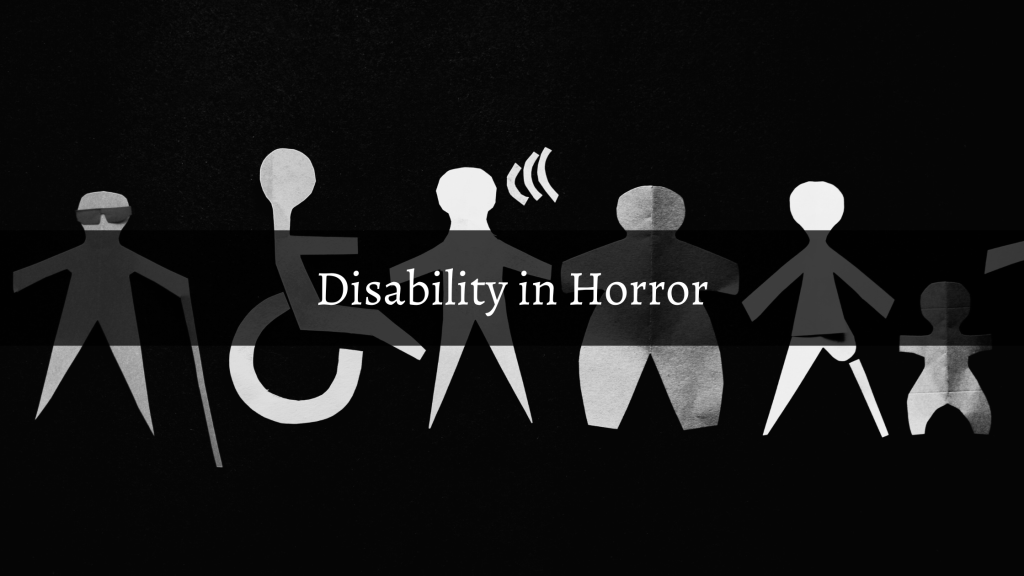
Most horror films leave viewers guessing, but many still miss a key part of the story: accessibility. When captioning in horror and audio description are added, the story unfolds in new, richer ways for everyone. This shift in accessibility in film opens doors to a wider audience and deepens how we experience fear and suspense on screen. Let’s explore how inclusive horror cinema is changing what it means to truly feel the chill. Learn more about these accessibility tools on inclusive cinema.org. Imagine watching your favorite horror film, where every whisper and creak contributes to the spine-chilling suspense. What if you couldn’t hear those sounds? That’s where captioning steps in, bridging the gap between silence and shivers.
Enhancing Horror Narratives
Captions do more than just transcribe dialogue; they add layers to storytelling. By indicating atmospheric sounds, they let you in on the build-up of tension. For example, the subtle rustle of leaves or distant thunder becomes part of the narrative. You gain a fuller picture of the eerie setting and the characters’ impending doom. It’s like reading a ghost story where every word echoes in your mind.
Consider a scene in a haunted house. Captions describe not just footsteps but their pace, slow, deliberate. You picture not just movement but intent. This detail enriches your viewing, offering insights that dialogue alone might miss. It’s the difference between seeing fear and feeling it.
Captions and the Unseen Atmosphere
Captions also play a critical role in crafting the unseen atmosphere. They give life to the invisible elements that creep through a horror film. Imagine watching a film where a chilling wind howls outside a window. With captions, you don’t just see the window rattle; you hear it through the descriptive text. This creates a more immersive environment, allowing you to engage with the film on a deeper level.
The use of specific adjectives in captions can transform a simple scene. A “loud crash” versus a “shattering crash” changes your perception. These nuances add texture, making the horror genre as inclusive as it is intense. By bringing these subtleties to life, captions make sure no one is left out of the scare.
Immersive Storytelling Through Sound
Audio description takes you on a journey where sound becomes the storyteller. In horror, this is a game-changer. As you listen, you’re guided through shadowy corridors and feel the tension of an unseen presence lurking nearby. Descriptions of facial expressions and movements craft a vivid mental image, pulling you into the heart of the story.
For instance, during a suspenseful scene, AD might describe a character’s trembling hands or a flickering candle. These details are often missed, but with AD, they become central to the narrative. They help you understand not only what’s happening but also how it feels, turning the audible into a living nightmare.
Creating Chilling Experiences for All
Audio description ensures everyone can experience the thrill of horror. It invites a broader audience into the genre’s dark corners, where every sound, breath, and heartbeat adds to the suspense. By providing this layer of accessibility, horror films become a shared experience, transcending visual barriers.
This inclusivity opens doors to chilling experiences that resonate with all. Most people think horror is just about what you see, but AD proves it’s also about what you hear and feel. The longer you wait to explore this, the more you’re missing out on the full horror experience. Learn more about inclusive cinematic experiences through sound design by reading Enhancing Audio Description: Inclusive Cinematic Experiences Through Sound Design..
Disability Visibility in Film
By incorporating accessibility, horror films contribute to greater disability visibility. They acknowledge and cater to an audience that has long been overlooked. This representation matters; it challenges stereotypes and empowers viewers, fostering a sense of belonging within the horror community.
When films embrace accessibility, they tell everyone: “Your experience matters.” This inclusivity is not just a nice-to-have; it’s vital for a more equitable cinema landscape. It encourages filmmakers to rethink old norms, making horror a genre where everyone can be part of the fear and excitement.
Broadening Horror’s Audience Reach
Accessibility tools expand horror’s reach, tapping into audiences who might have felt excluded. By making films accessible, the genre becomes more inviting and inclusive. This broadens the fan base, ensuring horror thrives in diversity.
As more filmmakers adopt these tools, horror films will continue to captivate new audiences. The changes may seem small, but their impact is profound. Horror becomes a genre that not only entertains but also connects, offering thrills that everyone can enjoy. Discover more about making movies accessible on Taste Ray.
In this new era, accessibility is not an afterthought; it’s at the forefront. By integrating these tools, horror films promise more chills, deeper engagement, and a more inclusive future for all fans.
 Katie Marie Robinson-Sherlock
I’d love to hear what you think, please comment below.