When crafting horror, striking the right balance between terror and understanding is crucial. This ensures that your story resonates deeply with your audience, creating a lasting impact. Most body horror stories slip into linking difference with monstrosity, making transformation feel like a curse. You want to scare readers but also respect the complexity of the grotesque human experience. This post shows how empathetic storytelling can shift that balance, using powerful examples from literature and film. Keep reading to learn how to create horror narratives that fear and empathy can both call home. For further reading, check out Mutations and Metamorphoses: Body Horror is Biological Horror..
Evoking Fear Without Stigma
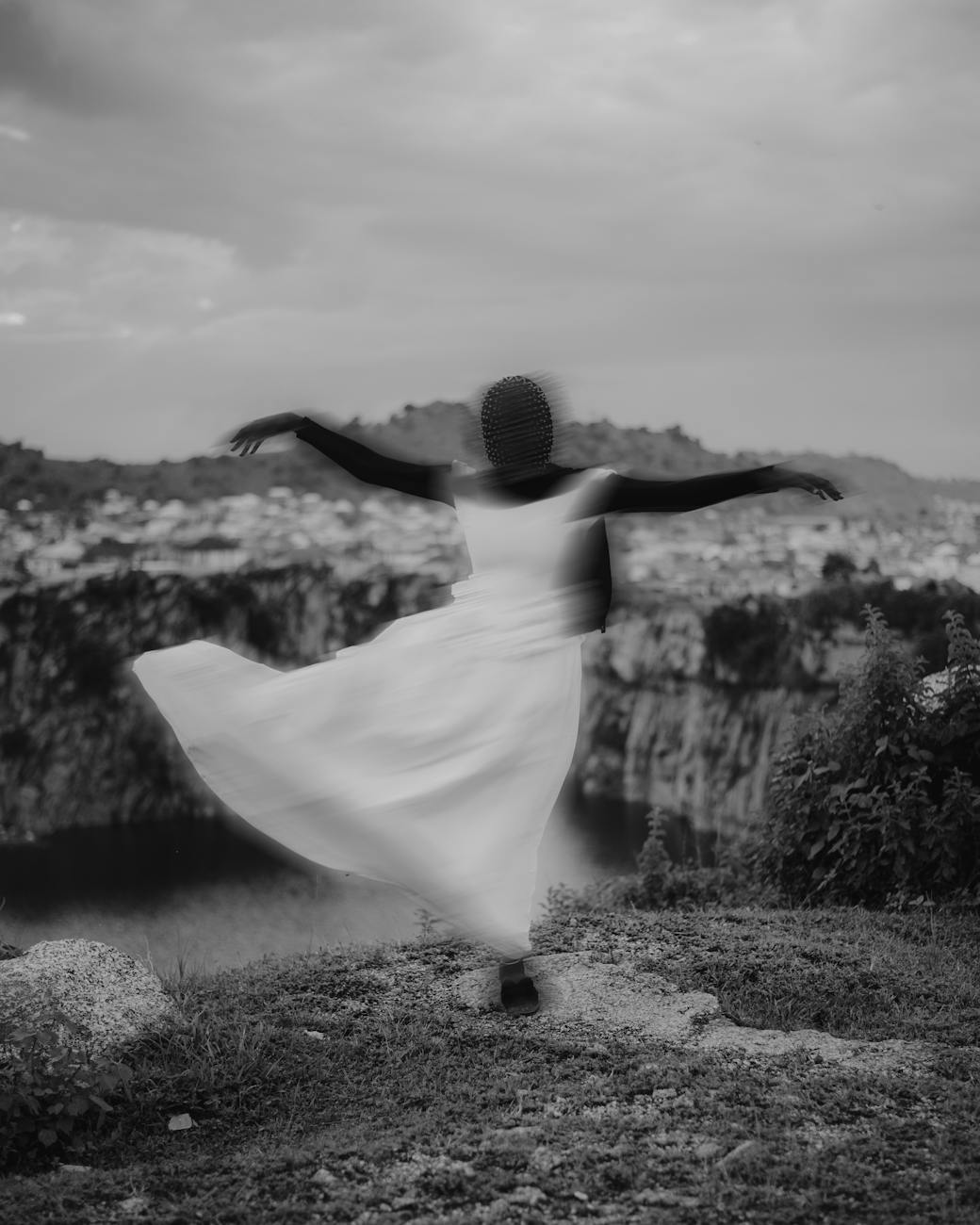
Fear is a powerful tool, but it must be wielded carefully. Start by considering how your narrative choices can evoke fear without reinforcing negative stereotypes. Instead of depicting transformation as purely monstrous, delve into its complexity. For example, imagine a character who gains supernatural abilities but struggles with the alienation it brings. This approach not only terrifies but fosters a deeper understanding of their plight.
Fostering Empathy in Horror Narratives
Empathy in horror allows readers to connect with characters on a human level. Craft scenes that highlight the internal battles faced by those who transform. This can be achieved by exploring their emotions and motivations. Consider a character torn between their new, grotesque form and their lingering humanity. By doing so, you invite readers to empathize with their struggle, rather than simply fear it.

The Grotesque Human Experience
The essence of body horror lies in its exploration of the grotesque. Capturing this experience authentically requires a nuanced approach. Start by examining the physical and psychological changes your characters undergo. For instance, consider a character whose physical transformation grants them new perspectives, both frightening and enlightening. This duality helps readers appreciate the complexity of the human experience.
Monstrosity and Difference
Monstrosity is often linked to difference, yet it’s essential to avoid stigmatizing those who don’t fit societal norms. Craft narratives that challenge these assumptions. Imagine a world where differences are celebrated rather than feared. Characters with unique traits can be depicted as heroes, not outcasts. By doing so, you redefine what it means to be monstrous, promoting acceptance and understanding.
Literature and Film Insights
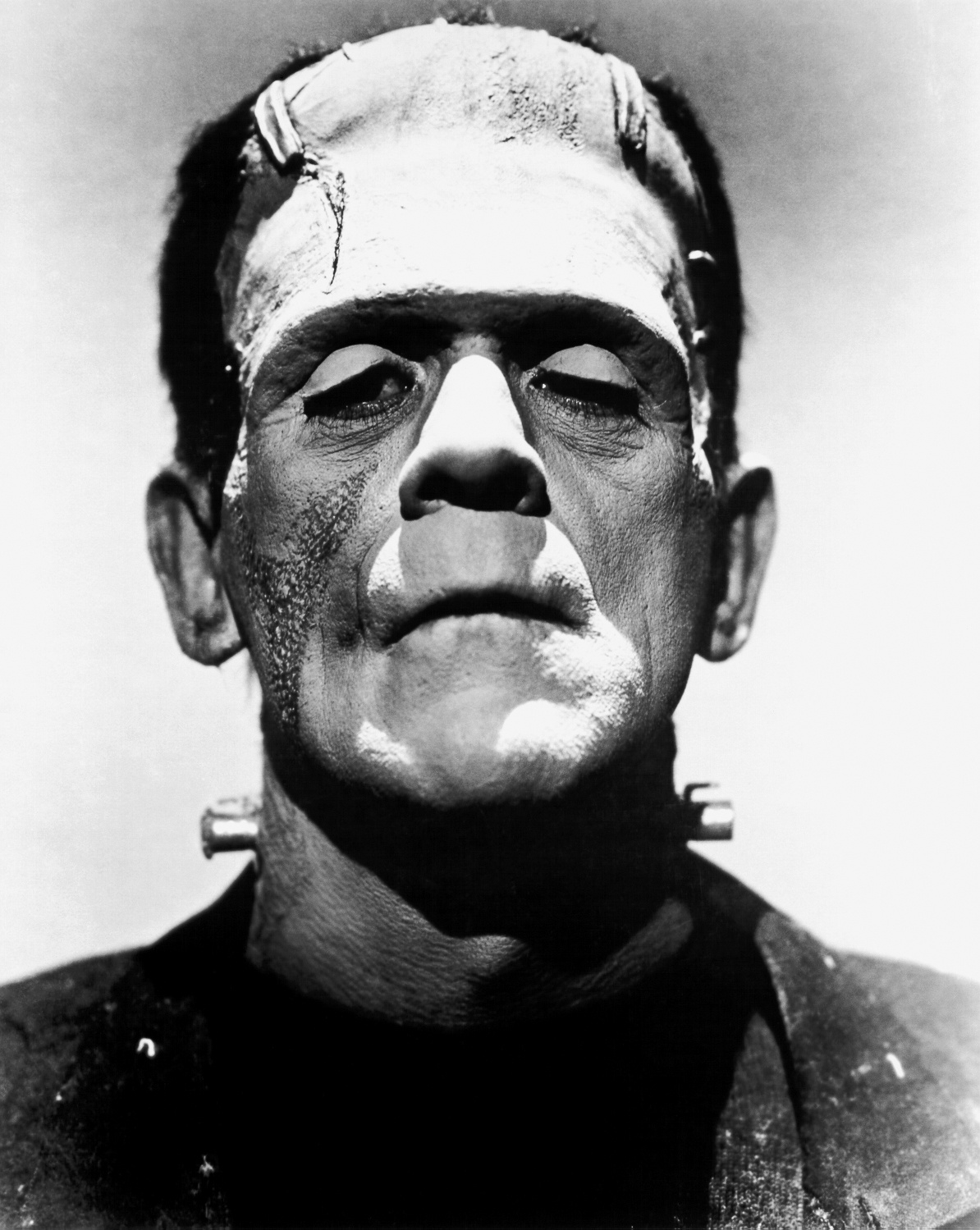
Literature and film offer rich insights into crafting horror that resonates. For instance, in Mary Shelley’s “Frankenstein,” the creature’s struggle with identity and acceptance evokes both fear and sympathy. This classic tale reminds us that horror can be a vehicle for exploring profound human themes.
Embracing Diversity in Storytelling
Embracing diversity enriches your narratives, offering fresh perspectives on familiar themes. Consider incorporating characters from varied backgrounds and experiences. This not only enhances the depth of your story but also resonates with a wider audience. In doing so, you create a tapestry of horror that reflects the multifaceted nature of the human experience. To explore this further, check out Embodied Fear: Alterity and the Monstrous Other in Horror Literature and Film.
By weaving empathy into your horror narratives, you invite readers into a world where fear and understanding coexist. This balance not only captivates but also enlightens, offering a deeper appreciation of the grotesque human experience.
 Katie Marie Robinson-Sherlock
I’d love to hear what you think, please comment below.