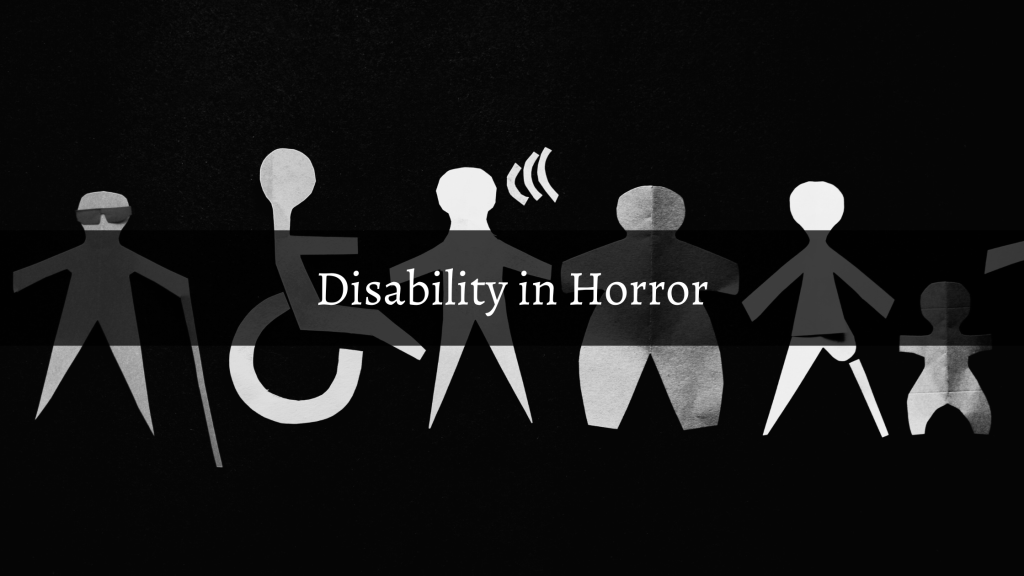
As many of you will already know I’m a PhD candidate, writing about the horror genre and producing my own work of fiction. Every so often i will use this space to talk about some of the topics i cover that I think you may find interesting.
Today i want to touch on the history of mental disorders in the horror genre.
The portrayal of mental disorders has long been a captivating, yet controversial, aspect that warrants meticulous exploration. From the hauntingly complex depictions of madwomen to the monstrous manifestations of psychological turmoil, horror writing has often served as a mirror reflecting society’s perceptions and fears surrounding mental health.
In this article, we will have a look at the evolution of these representations, challenging prevailing norms and stereotypes while igniting a fervent dialogue among academics, horror aficionados, disability advocates, and literary critics.
Early Interpretations of Mental Disorders
In the nascent stages of horror literature, mental disorders were often depicted as a form of possession or a curse inflicted upon the afflicted.
These early interpretations were deeply rooted in a societal lack of understanding and the conflation of mental illness with supernatural explanations. Characters exhibiting signs of what we would now recognize as psychological conditions were portrayed as “mad” or “hysterical,” a label particularly assigned to female characters, perpetuating the trope of the “madwoman.” Such portrayals can be seen in gothic classics like Charlotte Perkins Gilman’s “The Yellow Wallpaper,” where the protagonist’s mental deterioration is intricately described yet misunderstood and mistreated by those around her.
This pattern set the stage for subsequent horror narratives, which often relied heavily on the stigmatization of mental disorders as a source of fear and intrigue.
The Victorian Era: Madwomen in the Attic
The Victorian era brought forth the quintessential trope of the “madwoman in the attic,” epitomized by Bertha Mason in Charlotte Brontë’s “Jane Eyre.”
This era’s literature often portrayed mentally ill women as both pitiable and terrifying, locked away and hidden from the public eye. The madwoman trope served as a manifestation of repressed sexuality, societal disobedience, and the fears associated with deviating from the era’s strict gender norms. These characters were rarely given a voice or a backstory, reducing them to mere plot devices that highlighted the protagonists’ sanity in contrast to their own unruly minds.
This period underscored the gendered nature of mental illness depictions, which often served as cautionary tales about the dangers of female autonomy and the necessity of maintaining the status quo.
The Mid-Century Shift: From Madness to Monstrosity
The mid-20th century marked a pivotal shift in horror literature, where mental disorders started to be intricately linked with the concept of the monstrous. This period witnessed the transformation of the “mad” character from a pitiable figure into one that embodied pure evil or otherness.
The mid-century horror narratives began to probe the depths of the human psyche, exploring the idea that monstrosity could stem from within. Influential works like Robert Bloch’s “Psycho” and Shirley Jackson’s “The Haunting of Hill House” presented complex characters whose mental struggles were central to the horror element. These stories suggested that the most terrifying monsters were those that resided in the mind, blurring the lines between mental illness and inherent malevolence.
This shift also reflected broader societal changes, as psychological theories became more mainstream and the public’s understanding of mental health evolved.
Contemporary Horror: Challenging Stereotypes
Contemporary horror literature increasingly seeks to challenge and subvert the stereotypes historically associated with mental illness.
Modern narratives often present more nuanced and empathetic portrayals of characters with mental disorders, reflecting a growing societal awareness and sensitivity towards mental health issues. These stories frequently explore the subjective experience of mental illness, granting characters depth and agency that earlier horror writing neglected. Authors like Stephen King in “The Shining” examine the complexities of the human mind while avoiding the pitfall of demonizing mental illness.
Additionally, the rise of psychological thrillers has introduced a new dimension to horror, emphasizing the unpredictability of the mind rather than resorting to stock characters or predictable plotlines. This shift is not just literary but also cultural, signaling an ongoing re-evaluation of how mental health is represented in media and the arts.
The Impact of Tropes and Stereotypes
The pervasive use of tropes and stereotypes in horror literature has had a significant impact on societal perceptions of mental illness.
These representations often reinforce harmful myths, suggesting that individuals with mental disorders are inherently dangerous or otherworldly. For example, the trope of the “unhinged serial killer” propagates the false narrative that mental illness equates to a propensity for violence. Such stereotypes contribute to the stigmatization of mental health conditions, making it more difficult for people to seek help or receive empathy from others. As horror is a genre deeply embedded in cultural fears, the impact of these tropes extends beyond literature into everyday life, influencing how real individuals with mental disorders are viewed and treated.
The critical examination of these portrayals is thus essential for dismantling the negative stereotypes and fostering a more inclusive and understanding society.
Mental Disorders beyond the Horror Genre
While the focus here is on horror literature, it’s important to recognize that the representation of mental disorders extends beyond this single genre.
In drama, characters with mental illnesses often drive the narrative towards tragedy or enlightenment, while in comedy, they may be the source of humor—albeit sometimes dark or uncomfortable. In romance, mental health struggles can become entwined with themes of redemption and love’s healing power.
Each genre, through its unique lens, contributes to the broader cultural conversation about mental health. However, the potential for both harm and empowerment in these portrayals is significant. When well-researched and sensitively written, literature has the power to humanize mental illness, allowing readers to empathize and understand complex mental health experiences.
Conversely, inaccurate and insensitive depictions can perpetuate ignorance and fear, underscoring the need for continued vigilance in how mental disorders are represented across all types of storytelling.


 Katie Marie Robinson-Sherlock
I’d love to hear what you think, please comment below.