
In the realm of horror storytelling, true terror is not just seen or heard, but felt with every fiber of one’s being. Imagine a tale that grips you with the icy touch of a ghostly hand, fills your nostrils with the acrid scent of decay, and echoes the mournful whispers of the forgotten.
How can a writer harness the full spectrum of human senses to craft such immersive and spine-chilling narratives?
In this piece, I will delve into the art of engaging all five senses to captivate horror enthusiasts, ensuring that every shadowy corner and eerie silence leaves a lasting impression. Prepare yourself for a journey into the depths of sensory horror where every detail matters.
The Role of Sight
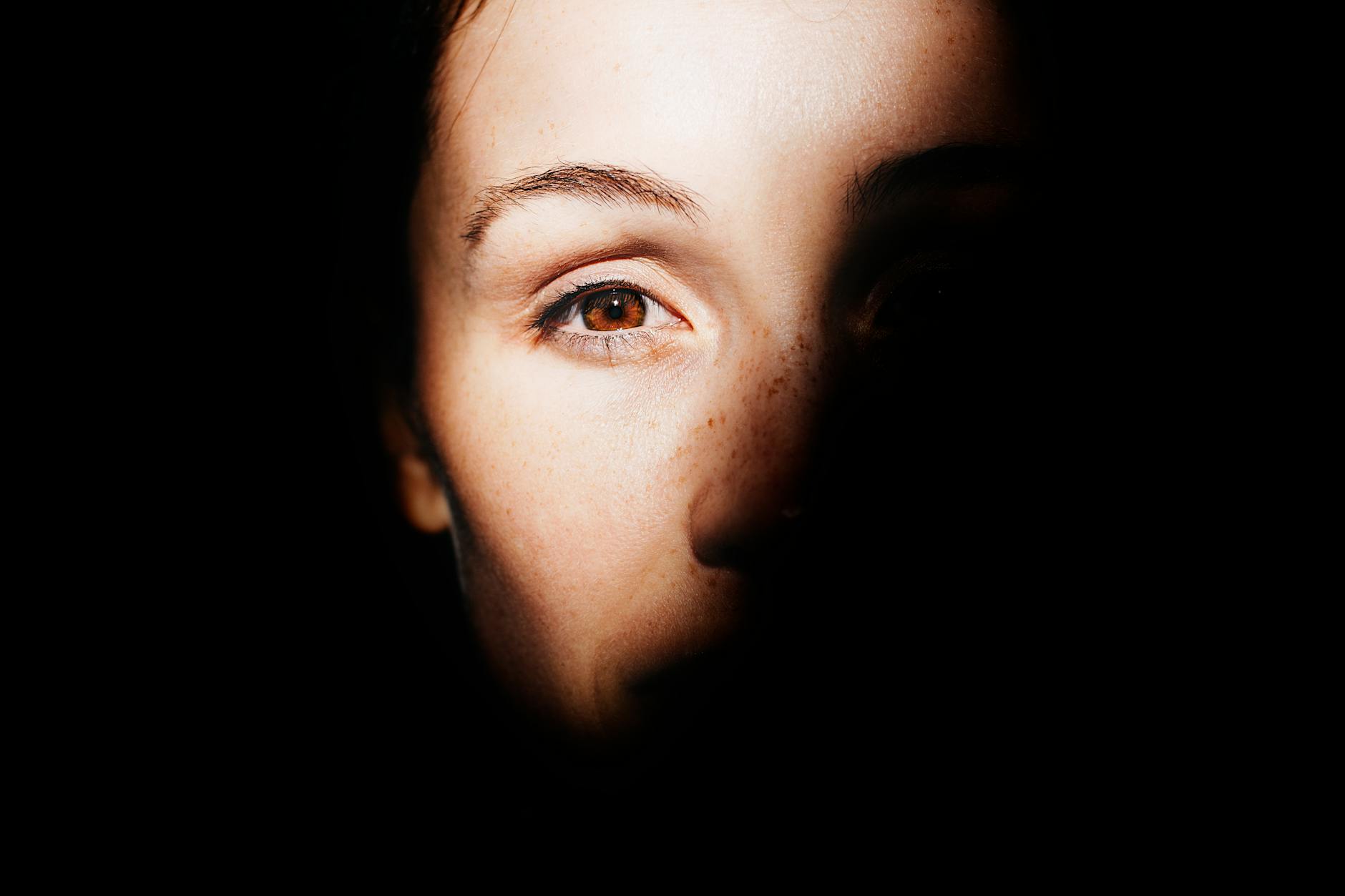
In horror storytelling, sight is often the first sense that sets the stage for fear. From the dim glow of a flickering candle to the grotesque silhouette lurking in the shadows, visual cues are paramount. Describing every nuance—the way light casts eerie patterns, the unsettling stillness of an abandoned house, or the sudden, jarring appearance of a specter—draws readers into the visual landscape of your narrative. Use contrasts between light and darkness to create tension and unease. For example, a well-lit room can suddenly plunge into darkness, leaving characters and readers alike grasping for what lies hidden. By carefully crafting these visual elements, you allow readers to “see” the terror unfold, making the horror palpable and immediate. Every visual detail counts, turning ordinary scenes into haunting tableaus that linger in the reader’s mind long after the story ends.
Evoking Sounds of Fear
Sound can elevate the dread in a horror story to new heights. The creak of floorboards in an empty house, the distant howl of a wolf, or the whisper of leaves brushing against a window can all set a chilling atmosphere. Descriptive audio cues make the environment come alive, allowing readers to “hear” the terror. Imagine the suspense as a character hears faint footsteps behind them, growing louder with each step, or the unsettling silence that follows a blood-curdling scream.
These auditory elements can create a sense of impending doom or sudden shock. Pay attention to the rhythm and volume of these sounds; a sudden loud noise can jolt the reader, while a soft, repetitive sound can build tension. By incorporating these auditory details, you craft a multi-sensory experience that heightens the fear and keeps readers on edge, fully immersed in the horror you intend to deliver.

Touching the Unknown
The sense of touch adds a visceral layer of fear to horror storytelling. Descriptions of textures and sensations can make readers feel as if they are experiencing the story firsthand. Imagine the clammy, cold grip of an unseen entity on a character’s arm, or the prickly sensation of cobwebs brushing against their face in a dark, abandoned cellar.
These tactile details can create immediate and intense reactions. Use contrasts to heighten the effect—soft, plush carpets can hide sharp, painful objects just below the surface, or a soothing, warm breeze can suddenly turn into an icy, biting wind. The physical sensations your characters endure can make the horror more tangible and real, drawing readers deeper into the narrative. By focusing on the sense of touch, you engage the reader’s own physical memories and emotions, making every ghostly caress or bone-chilling shiver resonate on a personal level.
The Scent of Terror
Smell is a powerful yet often underutilized sense in horror storytelling. The right scent can evoke strong emotional reactions and memories, intensifying the atmosphere of your narrative. Picture the stench of rotting flesh permeating an old, decrepit mansion or the faint, sweet smell of flowers in a graveyard, masking something far more sinister. These olfactory cues can add depth and authenticity to your settings.
Describing the scent of mildew in a damp basement or the acrid tang of burning incense in a haunted temple can transport readers directly into the environment. The smell of blood, musty old books, or decaying wood can create a visceral connection, making the horror feel more immediate and real. By carefully selecting and describing these scents, you can craft scenes that engage the reader’s sense of smell, adding another layer of immersion and dread to your horror story.

Flavors of Fear
Taste is a unique and compelling way to deepen the horror experience. While it may seem less obvious than sight or sound, the flavor can evoke a visceral reaction.
Consider the metallic tang of blood in a character’s mouth after a violent encounter or the bitter taste of a mysterious potion that promises either salvation or doom. These details can make the horror more intimate and personal. Imagine a character tasting the spoiled, rancid food in an abandoned house, or the strangely sweet yet unsettling flavor of a cursed drink.
These culinary horrors can create a sense of unease and disgust, adding another dimension to the terror. By incorporating taste into your storytelling, you draw readers into the physical experiences of your characters, making the fear not just a distant observation but a tangible, almost palpable sensation. This approach ensures that every bite, sip, and swallow leaves a lasting impact.


 Katie Marie Robinson-Sherlock
I’d love to hear what you think, please comment below.