
Lurking in the shadowy corners of UK folklore is the terrifying legend of Black Shuck, a spectral hound whose chilling presence has haunted the English countryside for centuries.
Often described as a massive, ghostly black dog with blazing red eyes, Black Shuck is a staple of supernatural stories and English ghost tales, sending shivers down the spines of those who dare to learn more.
What is the true origin of this phantom hound, and why does it continue to capture the imagination of horror enthusiasts and folklore lovers alike? In this exploration, we delve into the eerie narrative of Black Shuck, unraveling the mysteries that make it one of the most iconic haunted legends in the UK.
Prepare to be intrigued and perhaps even a little spooked as we journey into this chilling chapter of English folklore.
Origins in UK Folklore
The origins of Black Shuck weave through the tapestry of UK folklore, hinting at a past rich with mystery and superstition.
Tales of a ghostly hound have been whispered since the early medieval period, with its presence first noted along the windswept coasts and moors of East Anglia(shout out to my county).
Some theorists link Black Shuck to Norse mythology, suggesting it might be a distant echo of the mythic hound Garmr that guards the realm of the dead. Others propose that the phantom hound emerged from the cultural fears of the rural communities, reflecting a deep-seated anxiety about the unknown.
Over time, this spectral figure has become ingrained in the collective consciousness, its legend surviving through oral tradition, ballads, and written accounts. The enduring nature of Black Shuck’s story suggests it holds a significant place in English ghost stories, captivating the imagination of those who hear its eerie tale.
Sightings and Descriptions
Sightings of Black Shuck have been reported across various regions of the UK, each account adding to the legend’s chilling allure.
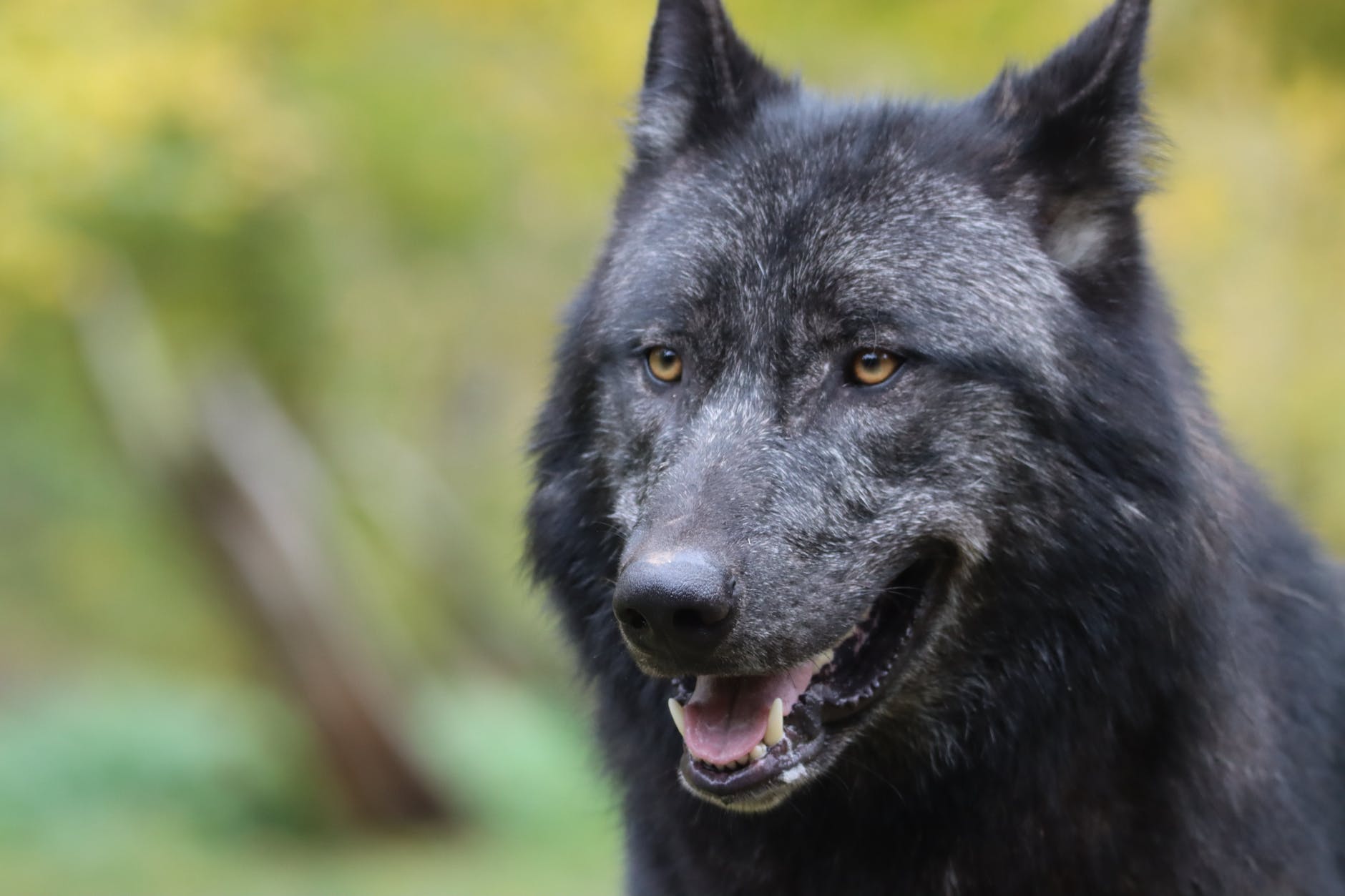
Descriptions often depict a massive, ghostly black dog, sometimes as large as a calf, with eyes that glow like fiery coals. These tales have been passed down through generations, often describing how the phantom hound appears out of nowhere, especially during stormy nights or in graveyards.
One of the most famous sightings occurred in 1577 at the Holy Trinity Church in Blythburgh, where it is said that Black Shuck burst through the doors, leaving death and destruction in its wake. Eyewitnesses claim the creature left scorch marks on the church door, which can still be seen today.
Such vivid descriptions and the tangible traces left behind add a spine-tingling authenticity to the supernatural stories surrounding this spectral hound, ensuring its place among the most haunted legends in the UK.

Cultural Impact and Influence
The legend of Black Shuck has left an indelible mark on UK folklore and beyond, influencing literature, music, and local traditions. Its ominous presence has inspired numerous writers over the years, including Sir Arthur Conan Doyle, whose creation of the hound in “The Hound of the Baskervilles” echoes the terrifying traits of Black Shuck.
In music, the spectral hound has been immortalized in songs like “Black Shuck” by The Darkness, capturing the imagination of modern audiences. Local festivals and ghost tours often feature Black Shuck, drawing curious travelers eager to explore haunted places in the UK.
These cultural manifestations highlight the hound’s enduring appeal, bridging the gap between ancient folklore and contemporary storytelling. By appearing in various forms of media, Black Shuck continues to intrigue and terrify, ensuring its legacy remains alive in the hearts and minds of both horror enthusiasts and folklore lovers alike.
Eerie Tales from Norfolk
Norfolk, with its mist-laden landscapes and ancient pathways, serves as a fitting backdrop for eerie tales featuring Black Shuck. The coastal county is rife with stories of the phantom hound’s chilling appearances. One such tale recounts the experience of a traveler who encountered Black Shuck on a desolate road near Cromer.
As the legend goes, the hound appeared alongside the traveler, its eyes glowing ominously in the night. Such encounters are said to portend doom, with locals believing that a sighting foretells death or misfortune. Another story from the area involves a family who claimed to hear the hound’s menacing howl echoing through the night, a sound that supposedly heralded a series of unfortunate events.
These stories, passed down through generations, contribute to Norfolk’s reputation as one of the most haunted places in the UK, perpetuating the legend of Black Shuck and keeping the fascination with supernatural stories alive.

Supernatural Stories in Suffolk
Suffolk, with its rich tapestry of history and folklore, is home to some of the most compelling supernatural stories involving Black Shuck. This region’s dark, rolling landscapes provide a perfect stage for tales of the phantom hound.
One of the most infamous stories hails from the village of Bungay, where, in 1577, Black Shuck allegedly stormed St. Mary’s Church during a thunderstorm, causing chaos and leaving parishioners in terror. Witnesses described how the hound killed two people and left burn marks on the door, marks that some claim can be seen even today.
These chilling stories have cemented Suffolk’s place in the lore of haunted places in the UK, drawing folklore lovers and thrill-seekers alike. The tale of Black Shuck in Suffolk continues to be a significant part of local culture, ensuring that the legend lives on, haunting the consciousness of those who dare to delve into these ghostly narratives.
Haunted Places in the UK
The legend of Black Shuck adds an eerie allure to some of the most haunted places in the UK. These locations, steeped in mystery and supernatural stories, attract those with a penchant for the paranormal.
In East Anglia, the ruins of Leiston Abbey are said to be haunted by the spectral hound, with visitors reporting sightings of a shadowy canine figure. Another infamous site is the aforementioned Holy Trinity Church in Blythburgh, where the phantom hound’s rampage left tangible marks. Across the UK, places like Dartmoor and the Yorkshire Moors also feature tales of ghostly hounds, drawing parallels to the legend of Black Shuck.
These haunted locations offer more than just spine-chilling stories; they serve as a testament to the region’s rich folklore and cultural history. For those daring enough to explore, these sites provide a fascinating glimpse into the enduring legacy of the phantom hound and its place in the tapestry of UK folklore.

Literature and Film Adaptations
The chilling tale of Black Shuck has transcended oral tradition, finding a place in literature and film that continues to captivate audiences. One of the most notable literary adaptations is its inspiration for Sir Arthur Conan Doyle’s “The Hound of the Baskervilles,” where the eerie presence of a ghostly hound creates an atmosphere of suspense and dread. This classic novel has been adapted into numerous films and television series, each capturing the terrifying essence of the phantom hound.
Beyond Doyle’s work, Black Shuck has appeared in various novels and short stories, often symbolizing the unknown and the fear it evokes. In film, the legend influences horror genres, with movies exploring similar spectral hound themes, highlighting the enduring fascination with supernatural stories. These adaptations not only preserve the legend but also introduce Black Shuck to new audiences, ensuring its place in the pantheon of iconic English ghost stories and haunted lore.
Modern Interpretations and Theories
In recent years, the legend of Black Shuck has sparked intrigue among scholars and enthusiasts, leading to modern interpretations and theories that attempt to explain the phantom hound’s origins and significance. Some researchers propose that the sightings and stories surrounding Black Shuck are rooted in natural phenomena, such as the presence of large wild dogs or wolves in medieval England.
Others suggest that the legend serves as a metaphor for the human fear of the unknown and the inexplicable, reflecting societal anxieties of the times. Contemporary interpretations also explore psychological explanations, considering the spectral hound as an embodiment of collective fears. Meanwhile, the rise of urban legends and digital media has introduced Black Shuck to newer audiences, allowing its story to evolve and adapt to modern sensibilities.
These diverse perspectives not only enrich the tapestry of English ghost stories but also underscore the enduring fascination with supernatural tales and the mysteries they represent.


 Katie Marie Robinson-Sherlock
I’d love to hear what you think, please comment below.