
While Sir Arthur Conan Doyle is universally celebrated for his creation of the astute detective Sherlock Holmes, his foray into the supernatural is equally captivating and often overlooked.
Delving into the eerie and the unexplained, Doyle’s horror stories reveal a masterful blend of suspense and the macabre, showcasing his versatility as a writer. How did a man of science and logic craft such chilling tales of ghosts, curses, and otherworldly phenomena? In this exploration, we will uncover the spine-tingling stories that lie beyond 221B Baker Street, inviting you to experience the darker side of Doyle’s literary genius.

Early Influences on Conan Doyle
Conan Doyle’s fascination with the supernatural can be traced back to his early life. Growing up in a devoutly Catholic family, Doyle was exposed to stories of saints, miracles, and divine interventions, which likely planted the seeds of his interest in the mystical. Additionally, his mother, Mary, was an avid storyteller who often regaled young Arthur with tales of the eerie and the unexplained. Doyle’s education also played a role; attending the Jesuit school Stonyhurst, he encountered a curriculum rich in classical literature and gothic fiction.
Furthermore, the works of Edgar Allan Poe, known for his dark and mysterious tales, left a lasting impression on Doyle. These early influences collectively shaped Conan Doyle’s ability to weave intricate horror narratives that would later captivate his readers.
Transition from Medicine to Writing
Conan Doyle’s transition from practicing medicine to becoming a full-time writer was pivotal in his literary career. Initially, Doyle pursued a career in medicine, earning his degree from the University of Edinburgh. However, during his time as a medical student, he began writing short stories to supplement his income. This dual life continued as he set up a medical practice, but the waiting rooms were often empty, giving him ample time to write.
The turning point came with the success of his Sherlock Holmes stories. Encouraged by this success and driven by his passion for storytelling, Doyle gradually shifted his focus from medicine to writing. This transition allowed him the freedom to explore various genres, including horror, where he could fully immerse himself in crafting chilling and supernatural tales that would enthrall his readers.

The Haunted Grange of Goresthorpe
“The Haunted Grange of Goresthorpe” stands as one of Conan Doyle’s most memorable supernatural stories. This chilling tale revolves around a mysterious, abandoned mansion reputed to be haunted by malevolent spirits. The protagonist, a skeptical investigator, is hired to uncover the truth behind the eerie occurrences plaguing the estate. As he delves deeper into the mansion’s dark history, he encounters inexplicable phenomena: ghostly apparitions, unsettling noises, and an overwhelming sense of dread.
Doyle masterfully builds suspense, leading the reader through a labyrinth of fear and anticipation. The story’s climax reveals a shocking twist that challenges the investigator’s—and the reader’s—understanding of the supernatural. “The Haunted Grange of Goresthorpe” exemplifies Doyle’s ability to blend rational skepticism with spine-tingling horror, making it a standout piece in his collection of ghostly narratives.
The Captain of the Polestar
“The Captain of the Polestar” is another gripping tale that showcases Conan Doyle’s prowess in supernatural storytelling.
Set against the frigid backdrop of the Arctic, this story follows the experiences of a young doctor aboard a whaling ship. The ship’s captain, Nicholas Craigie, exhibits increasingly erratic behavior, haunted by visions and voices that no one else can see or hear. As the ship ventures further into the icy waters, the crew grows fearful of their captain’s mental state and the ominous forces seemingly at play. Doyle masterfully creates a claustrophobic atmosphere, where the isolation and relentless cold amplify the sense of dread.
The narrative’s tension builds as the doctor unravels the captain’s tragic past, leading to an unsettling conclusion that blurs the line between reality and the supernatural. “The Captain of the Polestar” remains a testament to Doyle’s ability to evoke fear and suspense through masterful storytelling.
Lot No. 249
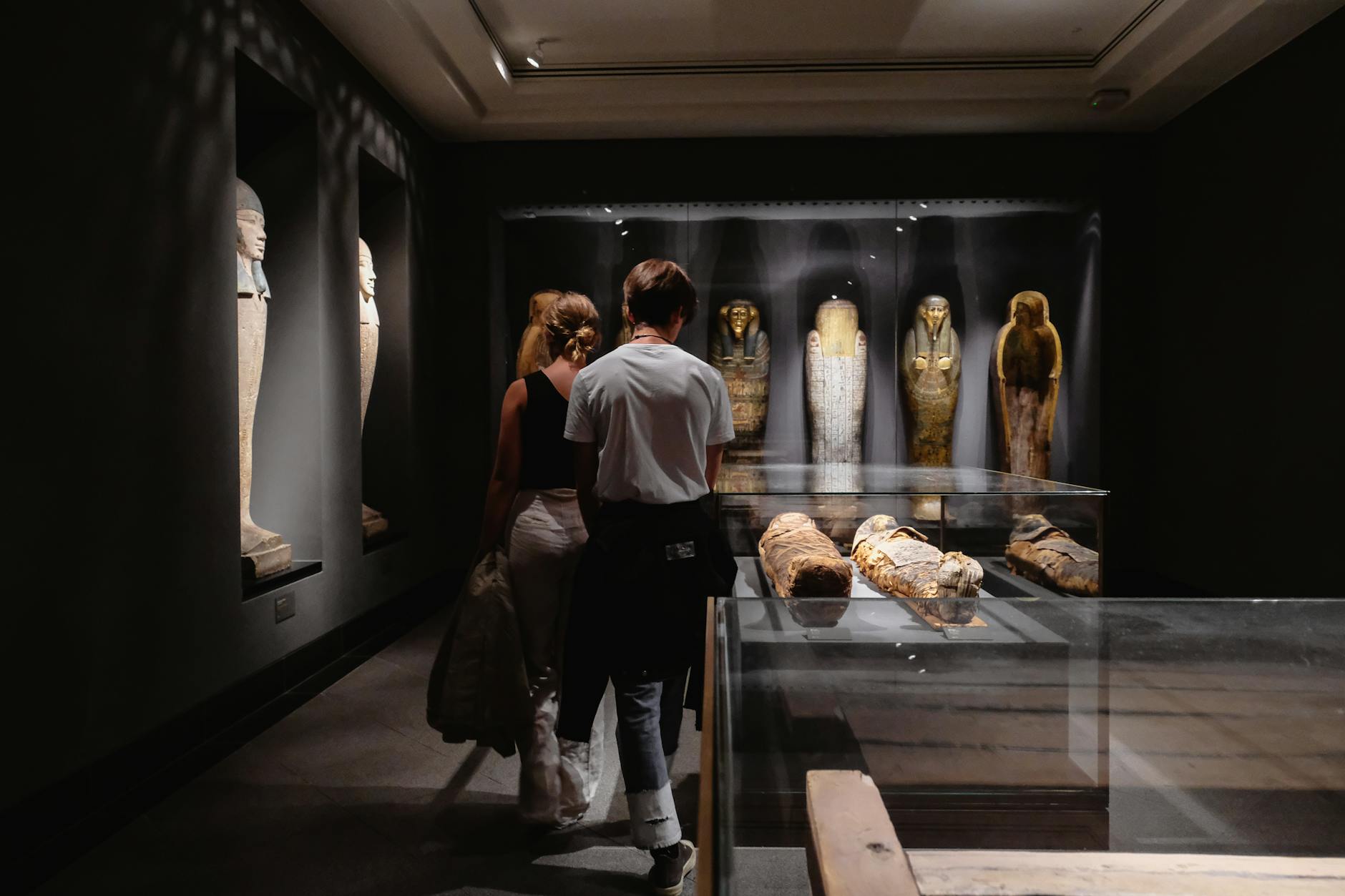
“Lot No. 249” is widely regarded as one of Conan Doyle’s most thrilling supernatural stories. Set in the eerie corridors of an English university, the tale centers on an Egyptian mummy bought at an auction, labeled Lot No. 249. The protagonist, Abercrombie Smith, a medical student, becomes suspicious of his reclusive neighbor, Edward Bellingham, who possesses the mummy.
Strange and sinister events ensue, including unexplained attacks on students and sightings of a menacing figure. As Smith investigates, he uncovers Bellingham’s dark practice of reanimating the mummy to carry out his malevolent wishes. Doyle expertly blends elements of the occult with the academic setting, creating a story that keeps readers on the edge of their seats.
The tension escalates to a dramatic confrontation, wherein Smith must thwart Bellingham’s macabre schemes. “Lot No. 249” remains a classic example of how Doyle’s vivid imagination and deft storytelling can evoke deep-seated fears of the unknown.
Influence on Modern Horror Writers
Conan Doyle’s supernatural stories have left an indelible mark on modern horror writers. His ability to weave intricate plots with chilling atmospheres has inspired countless authors in the genre.
Writers like Stephen King and H.P. Lovecraft have acknowledged Doyle’s influence on their work, particularly in how they build suspense and develop complex characters. Doyle’s technique of blending rational skepticism with eerie, otherworldly elements paved the way for contemporary horror narratives that explore the boundaries between reality and the supernatural. His knack for creating relatable protagonists facing unimaginable horrors has become a staple in modern horror fiction.
Moreover, Doyle’s meticulous attention to detail and his ability to evoke a sense of dread continue to resonate with today’s horror writers, ensuring that his legacy endures in the chilling tales crafted by new generations of authors.

Enduring Popularity of His Supernatural Stories
The supernatural stories of Sir Arthur Conan Doyle continue to captivate readers, retaining their popularity long after their initial publication. These tales have been reprinted numerous times, translated into various languages, and adapted into films, radio plays, and television episodes.
The timeless appeal lies in Doyle’s masterful storytelling and his ability to evoke a sense of dread and suspense. Modern readers appreciate the intricate plots and well-developed characters that Doyle presents, as well as the eerie atmospheres that he so skillfully creates. The psychological depth and the blending of rationality with the supernatural make these stories compelling for both fans of classic literature and contemporary horror enthusiasts. Doyle’s works, such as “The Haunted Grange of Goresthorpe” and “Lot No. 249,” remain fixtures in horror anthologies, ensuring that his supernatural tales will continue to enchant and terrify readers for generations to come.


 Katie Marie Robinson-Sherlock
I’d love to hear what you think, please comment below.