
Haunted houses have long captured the fascination of audiences, serving as the quintessential setting in horror stories and supernatural fiction. The allure of these eerie abodes lies not only in their ability to incite fear and suspense but also in their rich potential for psychological exploration and societal reflection. Haunted houses—often steeped in history and mystery—offer a unique canvas for writers and filmmakers to explore themes of isolation, madness, and the unknown. In this analysis, we will delve into the enduring appeal of haunted houses within the horror genre, examining how these supernatural settings evoke deep-seated fears and challenge our understanding of reality and the human psyche. Join us as we navigate the spectral corridors of haunted house stories, uncovering the psychological effects of haunted settings and questioning why we love haunted houses so fervently.

Historical Roots of Haunted House Stories
Haunted house stories have deep historical roots, tracing back to ancient folklore and mythologies. These tales often revolved around spirits or supernatural entities inhabiting homes, reflecting societal anxieties and beliefs about the afterlife. In medieval Europe, ghost stories were rampant, often used to instill moral lessons or explain unexplainable occurrences.
The elaborate Gothic literature of the 18th and 19th centuries, with its creepy castles and eerie mansions, further popularized the haunted house motif. Authors like Horace Walpole and Mary Shelley crafted narratives where the physical setting itself was as much a character as the protagonists, rich with atmospheric dread.
This tradition continued into the Victorian era, where the fascination with spiritualism and séances fueled the uncanny allure of haunted abodes. Today, these stories remain popular, tapping into our innate fear of the unknown and the invisible forces that might lurk within the walls of our own homes.
Evolution of the Haunted House Setting
The haunted house setting has evolved significantly over time, adapting to cultural shifts and technological advancements. Initially anchored in Gothic architecture, these settings were typically grand and decaying, symbolic of the characters’ inner turmoil. As horror narratives progressed into the 20th century, the haunted house diversified, appearing in suburban homes and urban apartments, making the supernatural more relatable and unsettling to a modern audience.
Films like “The Amityville Horror” and “Poltergeist” exemplified this shift by situating hauntings within the familiarity of everyday life, thereby intensifying the psychological effects of haunted settings. Additionally, the advent of digital technology introduced new dimensions to the haunted house trope, seen in found-footage films and virtual reality experiences that simulate haunted environments. This transformation reflects our evolving fears and the genre’s adaptability, continuously finding new ways to explore themes of isolation, fear, and the unseen. As a result, haunted houses remain a vital element of the horror genre.
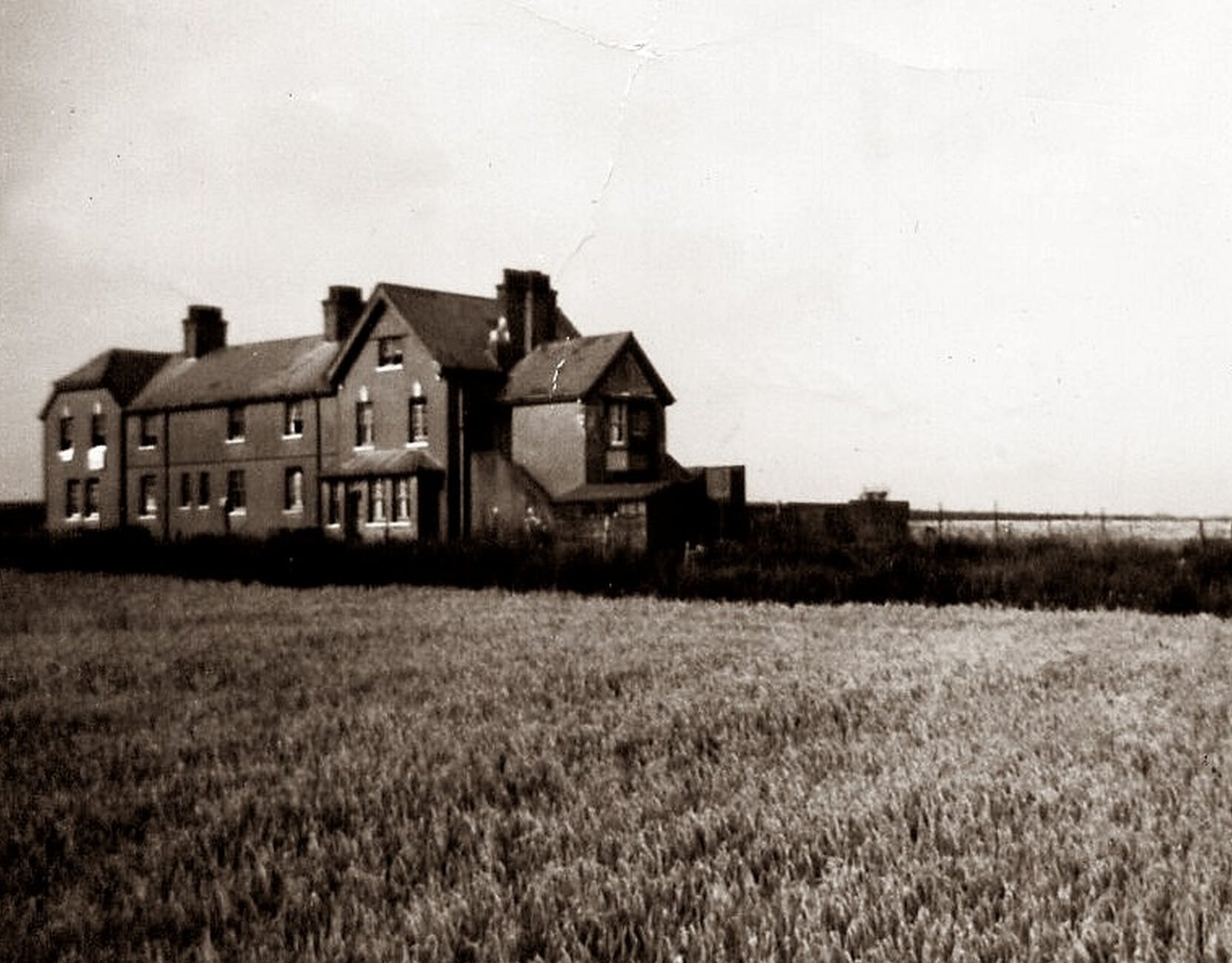
Psychological Effects of Haunted Settings: Fear and Human Psychology
The psychological effects of haunted settings are rooted deeply in fear, a primal emotion that has long influenced human behavior. Haunted house stories exploit this by creating atmospheres that trigger our instinctual fight-or-flight response. The fear of the unknown—what we cannot see or understand—fuels our fascination with haunted houses, as these settings often involve unseen entities or inexplicable events that challenge our perception of reality. This taps into our inherent anxiety about death and the afterlife, pushing the boundaries of our comfort zones.
Moreover, haunted houses often symbolize the mind itself, with dark, hidden spaces representing repressed memories or unresolved trauma. This metaphorical aspect allows audiences to project their own fears onto the narrative, making the experience intensely personal and unsettling.
By engaging with these fears, haunted house stories not only entertain but also provide a cathartic exploration of the psyche, enabling us to confront and process our deepest anxieties.
Psychological Effects of Haunted Settings: The Role of the Unknown
The unknown plays a pivotal role in the psychological effects of haunted settings, intensifying fear and suspense. Our minds are wired to seek explanations and patterns, but haunted house stories disrupt this need for understanding, leaving gaps filled by our imagination.
This ambiguity makes haunted houses fertile ground for supernatural settings, as they defy logical explanation and amplify feelings of vulnerability. The unknown also taps into existential fears, challenging our grasp of reality and the boundaries between the living and the dead.
In horror fiction, the unknown often manifests as unseen forces or inexplicable phenomena, keeping both characters and readers on edge. This lack of clarity heightens tension and compels the audience to engage more deeply with the narrative, as they try to piece together the mystery.
By leveraging the power of the unknown, haunted house stories evoke a profound sense of unease, making them a lasting and impactful element of the horror genre.

Haunted Houses in Modern Horror: Innovations in Supernatural Settings
Modern horror has seen numerous innovations in supernatural settings, broadening the scope and impact of haunted house stories. Advancements in technology, such as virtual reality and augmented reality, have revolutionized how audiences experience these eerie environments, making the horror more immersive and interactive.
Films like “Paranormal Activity” have utilized found-footage techniques to provide a raw, unfiltered look at hauntings, enhancing the realism and immediacy of the supernatural. Additionally, contemporary narratives often integrate psychological horror with haunted settings, exploring themes of mental illness and trauma alongside supernatural elements. This blend offers a more nuanced and emotionally resonant experience.
Television series like “The Haunting of Hill House” have also pushed the boundaries by weaving intricate, character-driven stories that delve deeply into personal and familial histories. These innovations keep the haunted house genre fresh and relevant, continuously engaging audiences by evolving with their fears and expectations.
Haunted Houses in Modern Horror: Cultural Impact of the Horror Genre
The horror genre, with its haunted house stories, has left a significant cultural imprint, influencing various forms of media and reflecting societal anxieties. These narratives often serve as a mirror to contemporary fears, addressing issues such as isolation, death, and the supernatural.
The genre’s ability to tap into universal emotions makes it a powerful tool for storytelling, resonating across cultures and generations. Films and literature have long explored themes of haunted settings as metaphors for unsettling truths about the human condition, sparking discussions that extend beyond mere entertainment.
Moreover, horror’s cultural impact is evident in its influence on popular culture, seen in the proliferation of Halloween events, haunted attractions, and genre conventions that celebrate its rich legacy.
By constantly reinventing itself, the horror genre remains relevant, offering insights into the collective psyche while providing a space for audiences to explore their fears in a controlled, cathartic environment.


 Katie Marie Robinson-Sherlock
I’d love to hear what you think, please comment below.