
As the cold winter nights envelop the Greek countryside, tales of the Kallikantzaroi begin to stir, weaving a tapestry of intrigue and fear among those who dare to listen. These mythical creatures of Greece, emerging from the depths of Greek folklore, have haunted the imagination for centuries, blending the supernatural with cultural traditions.
But who are these eerie figures that dance on the peripheries of Greek customs, and what sinister plots do their stories unveil? As we delve into the heart of these Kallikantzaroi stories, prepare to be gripped by the suspense and mystery that these dark narratives hold. Welcome to a world where folklore and fear intertwine, inviting you to explore the spine-chilling specters that loom within the shadows of Greek mythology.
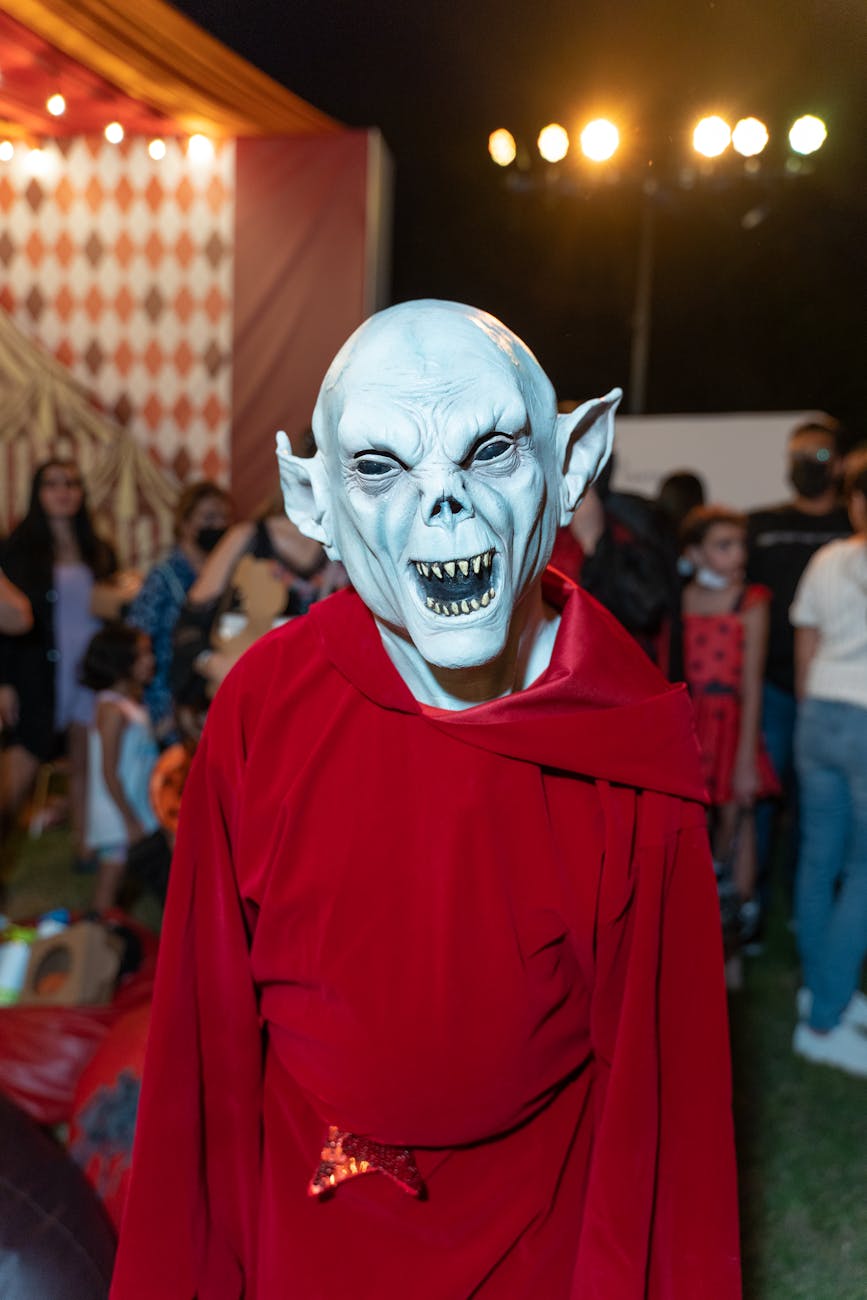
Ancient Greek Folklore Roots
The roots of the Kallikantzaroi lie deep within ancient Greek folklore, a realm where mythical creatures of Greece were believed to govern the unseen world. These notorious figures are often depicted as mischievous beings, emerging from the underworld to wreak havoc during the Twelve Days of Christmas. According to ancient beliefs, the Kallikantzaroi represent chaos and disorder, a stark contrast to the structured world above.
Their tales have been passed down through generations, each story adding a layer of intrigue and fear. These stories served as cautionary tales, warning listeners of the dangers lurking in the shadows. In an era when oral storytelling was paramount, the Kallikantzaroi became emblematic of the supernatural folklore that permeated Greek traditions. The chilling narratives surrounding these creatures reflect the human fascination with the unknown, a theme that continues to captivate cultural historians and folklore enthusiasts today.
Evolution of Mythical Creatures of Greece
The Kallikantzaroi, like many mythical creatures of Greece, have evolved significantly over time, adapting to the cultural and societal changes of each era. Initially perceived as malevolent spirits, these creatures were believed to dwell underground, emerging only during the winter solstice. As the stories traveled across regions, the Kallikantzaroi transformed in appearance and demeanor. Some tales describe them as small, goblin-like figures, while others depict them as grotesque, monstrous beings.
This evolution reflects the diverse influences that shaped Greek folklore, including interactions with neighboring cultures and the integration of local beliefs. Over centuries, the Kallikantzaroi stories have been embellished with new elements, reflecting the human desire to explain the inexplicable and to instill a sense of wonder and apprehension in the listeners. Today, they remain a testament to the rich tapestry of supernatural folklore that defines Greek traditions, continuing to haunt the imagination of those who encounter their tales.

Chilling Kallikantzaroi Stories
The chilling Kallikantzaroi stories are a cornerstone of Greek traditions, each tale more eerie than the last. The most common narrative involves these creatures climbing up from their subterranean lairs during the twelve nights of Christmas, intent on causing havoc.
Legend has it that the Kallikantzaroi spend the rest of the year sawing away at the World Tree’s trunk, only to abandon their task to terrorize humans during the festive season. This interruption allows the tree to heal, thus preserving the world’s balance. The stories often detail their attempts to sneak into homes through chimneys, spreading chaos and fear. In some regions, they are known to steal food, spoil goods, and frighten unsuspecting villagers.
These tales serve not only as entertainment but also as cultural reminders of the thin line between order and chaos, offering a glimpse into the dark, mysterious side of Greek folklore and the supernatural.
Supernatural Folklore in Greek Culture
Supernatural folklore plays a pivotal role in Greek culture, weaving a complex web of beliefs and traditions that have stood the test of time. The Kallikantzaroi, with their mischievous and malevolent antics, are emblematic of this rich tapestry. These tales, often shared around the warmth of a winter fire, explore themes of fear, morality, and the eternal battle between good and evil.
Greek folklore extends beyond mere entertainment; it serves as a cultural lens through which societal norms and values are both reflected and questioned. Such narratives often carry hidden meanings, cautioning against hubris or warning of the consequences of neglecting communal rituals. The supernatural elements of these stories captivate the human imagination, providing an escape into a world where the impossible becomes plausible. By preserving these tales, Greek culture maintains a continuous dialogue between past and present, ensuring that the enigmatic allure of its supernatural folklore endures across generations.

Kallikantzaroi in Greek Traditions Today
Today, the Kallikantzaroi continue to hold a place in Greek traditions, albeit with a modern twist. In many villages, rituals and festivals celebrate these supernatural visitors, blending ancient customs with contemporary festivities. These events often involve symbolic gestures to ward off the Kallikantzaroi, such as hanging garlic or burning incense, traditions that have been passed down through generations.
The tales of these mythical creatures of Greece are also kept alive through storytelling, theatre, and even educational programs aimed at preserving cultural heritage. Moreover, the Kallikantzaroi have found their way into popular media, influencing literature, films, and art. This modern portrayal often emphasizes their mischief and trickery, making them a source of fascination rather than fear. By adapting these stories to fit contemporary contexts, Greek culture ensures that the enigmatic charm of the Kallikantzaroi remains relevant, continuing to intrigue and engage both locals and visitors alike.
Cultural Significance and Global Impact
The cultural significance of the Kallikantzaroi extends beyond the borders of Greece, reflecting a universal fascination with mythical creatures and supernatural folklore. Within Greece, these stories serve as a cultural touchstone, connecting people to their heritage and the rich tapestry of Greek traditions. Internationally, the Kallikantzaroi have sparked curiosity among folklore enthusiasts and academics alike, contributing to a broader understanding of how cultures interpret and engage with the supernatural.
Their influence can be seen in various global media, where similar mythical beings appear, highlighting common themes such as the fear of the unknown and the disruption of order. By examining these narratives, we gain insight into the shared human experience of grappling with forces beyond our control. The global impact of the Kallikantzaroi stories underscores the enduring power of folklore to transcend cultural boundaries, creating a dialogue that enriches our collective understanding of mythology and its role in shaping cultural identity.


 Katie Marie Robinson-Sherlock
I’d love to hear what you think, please comment below.